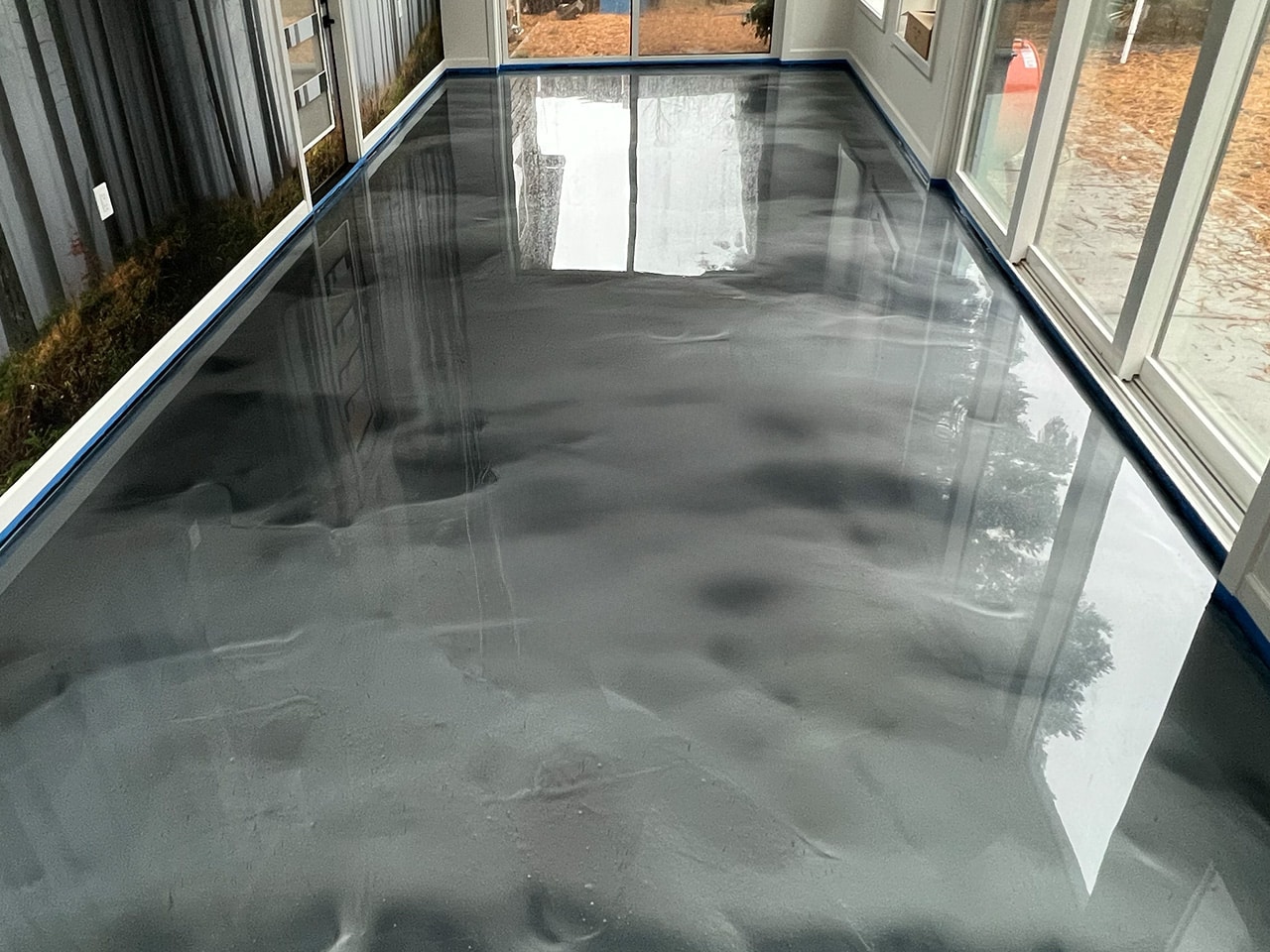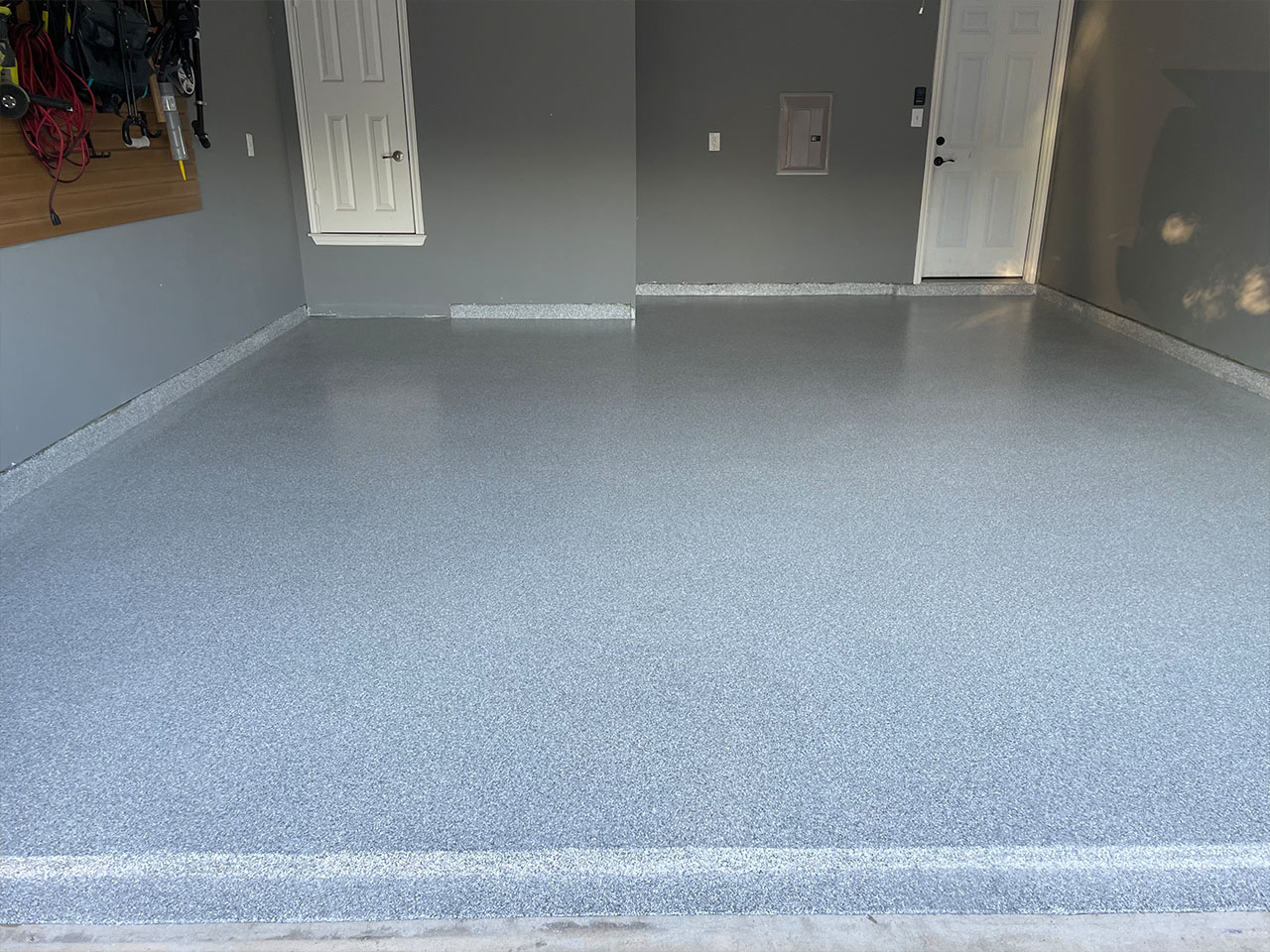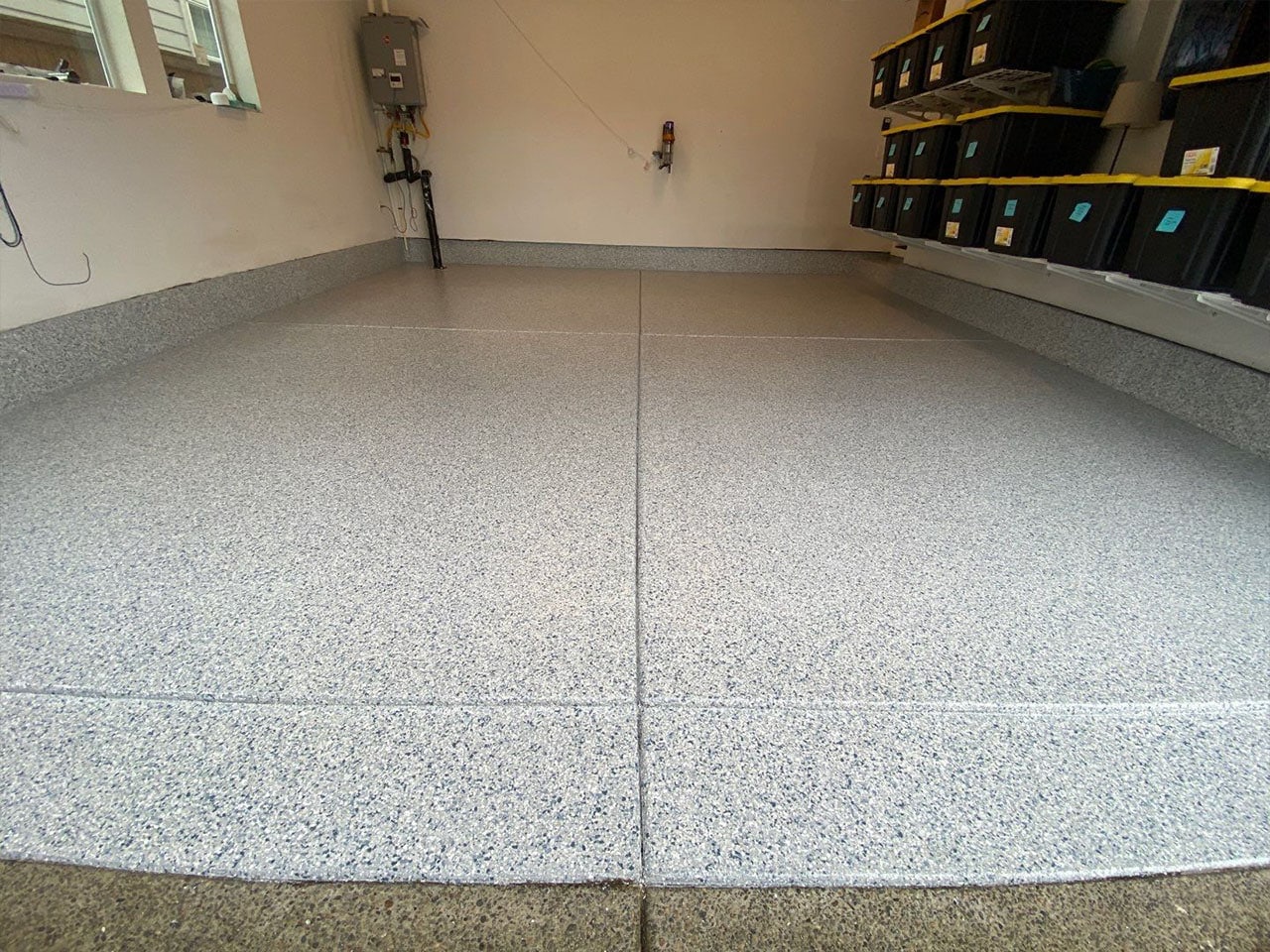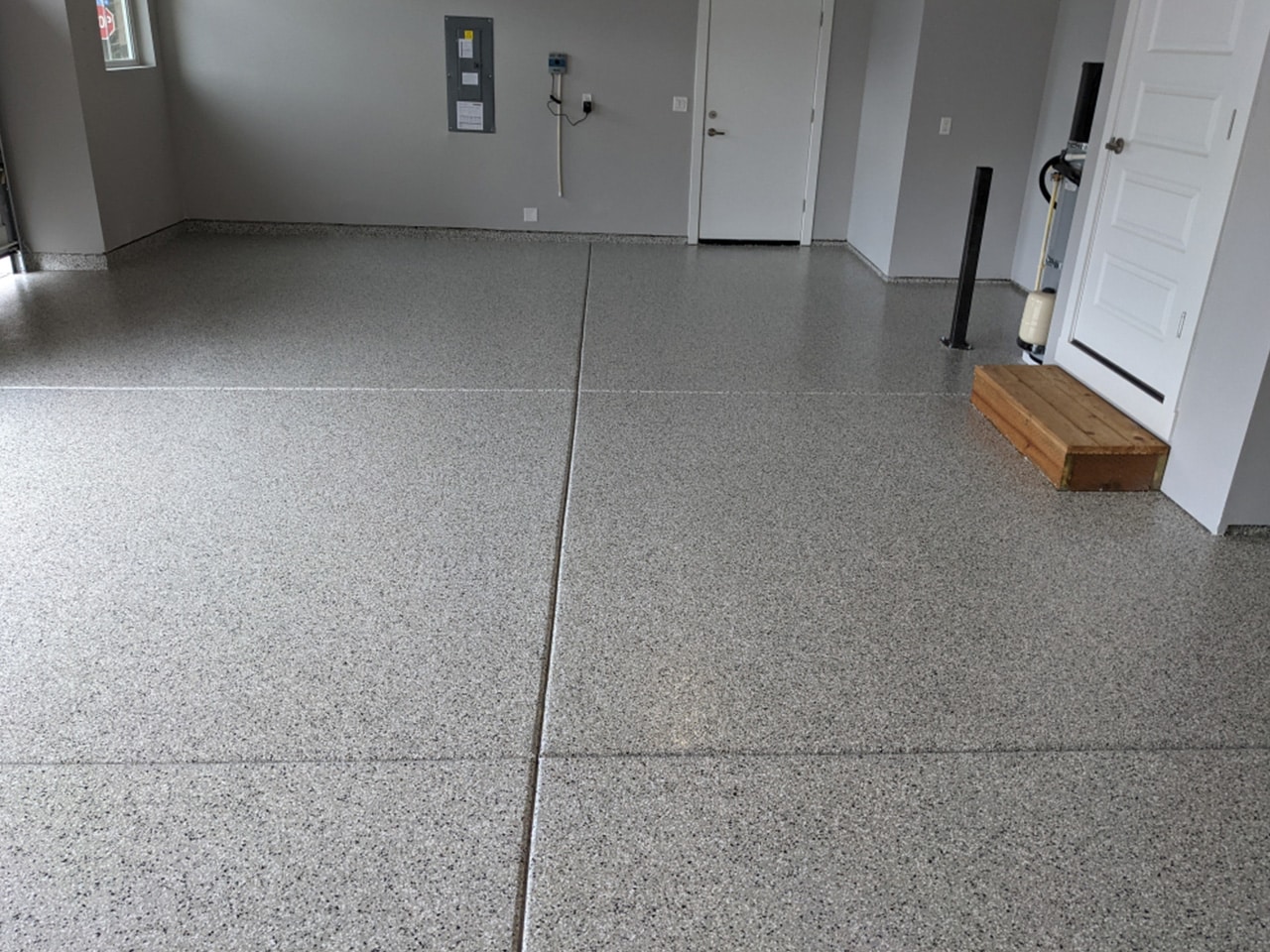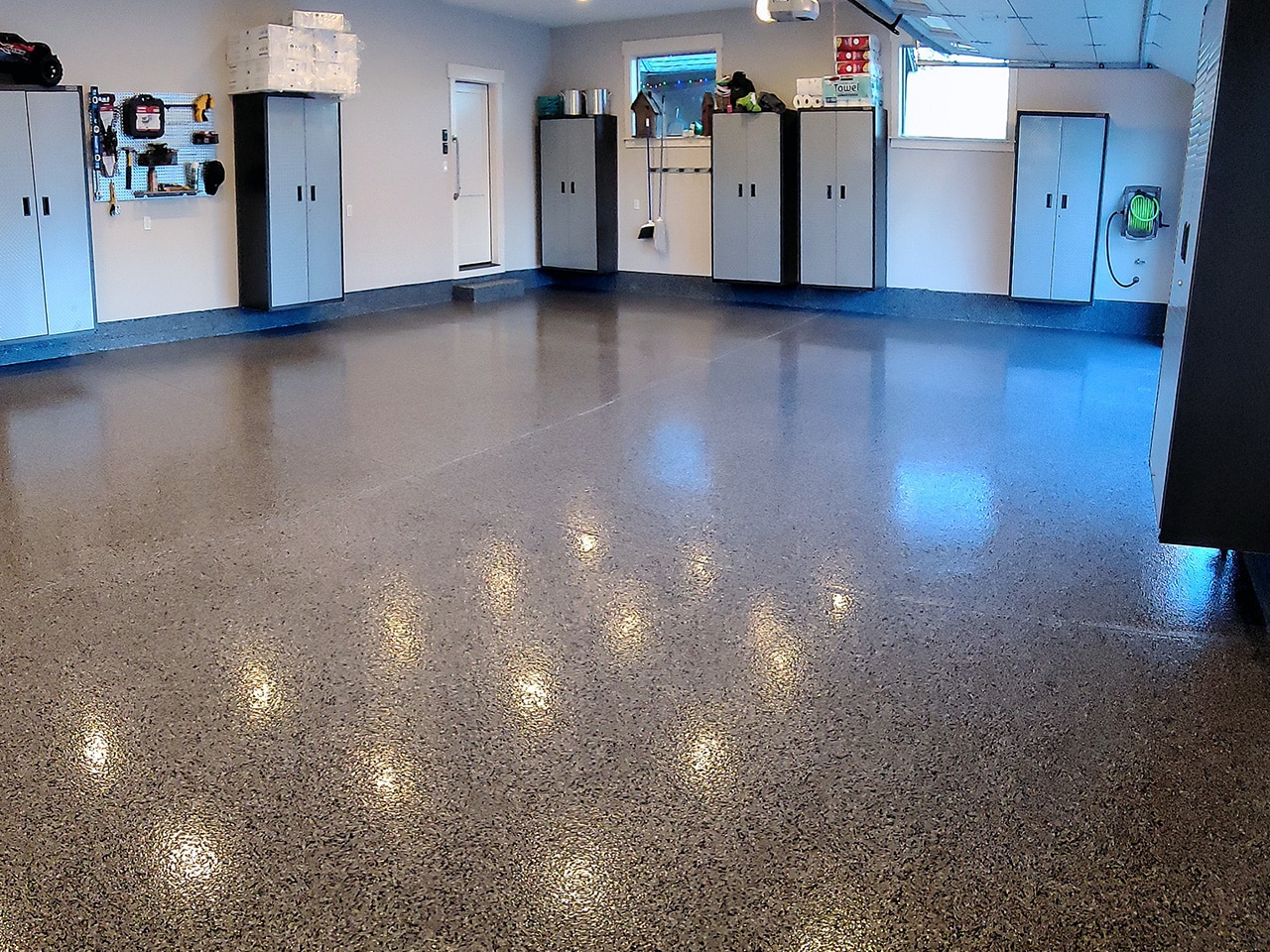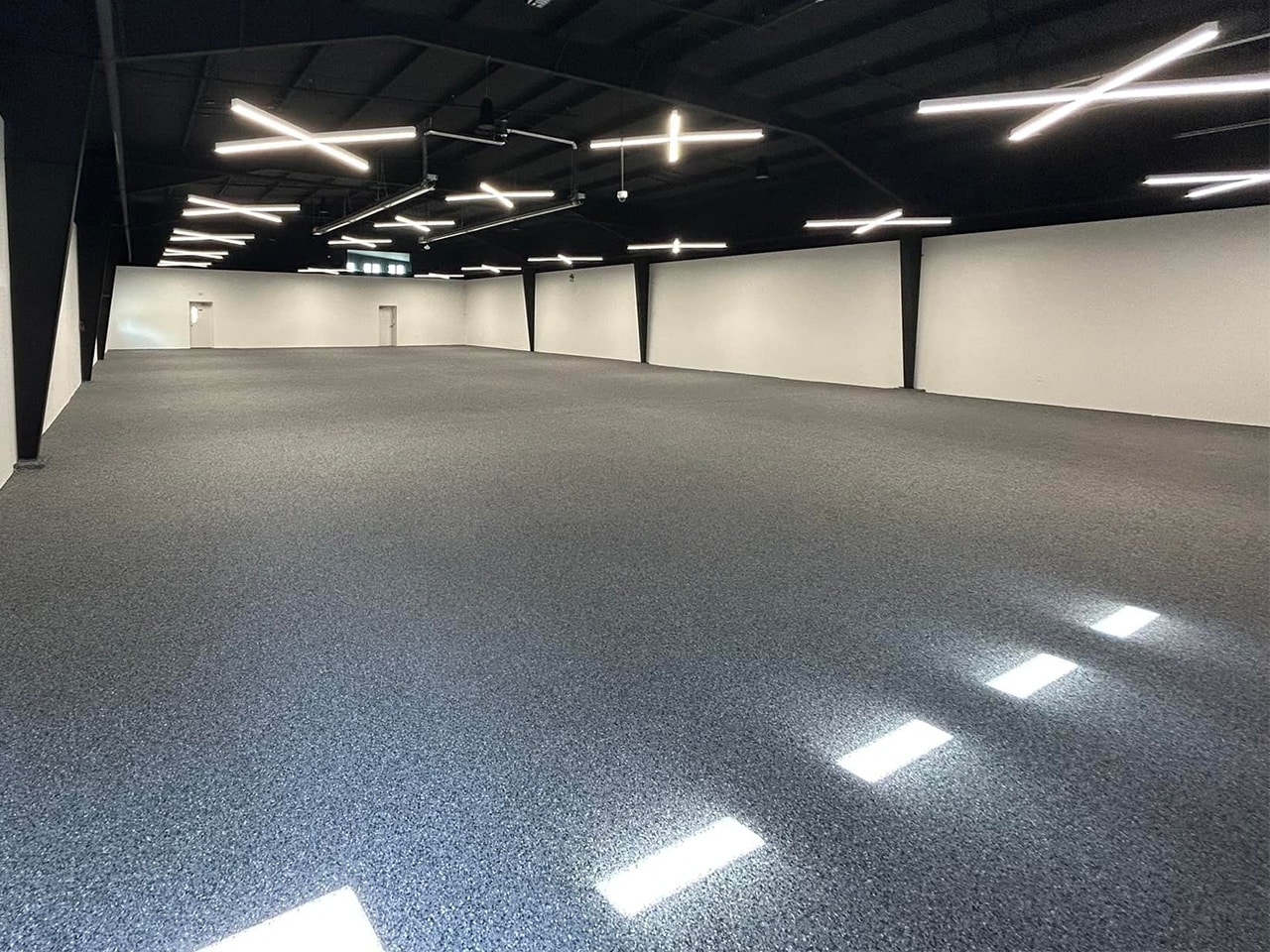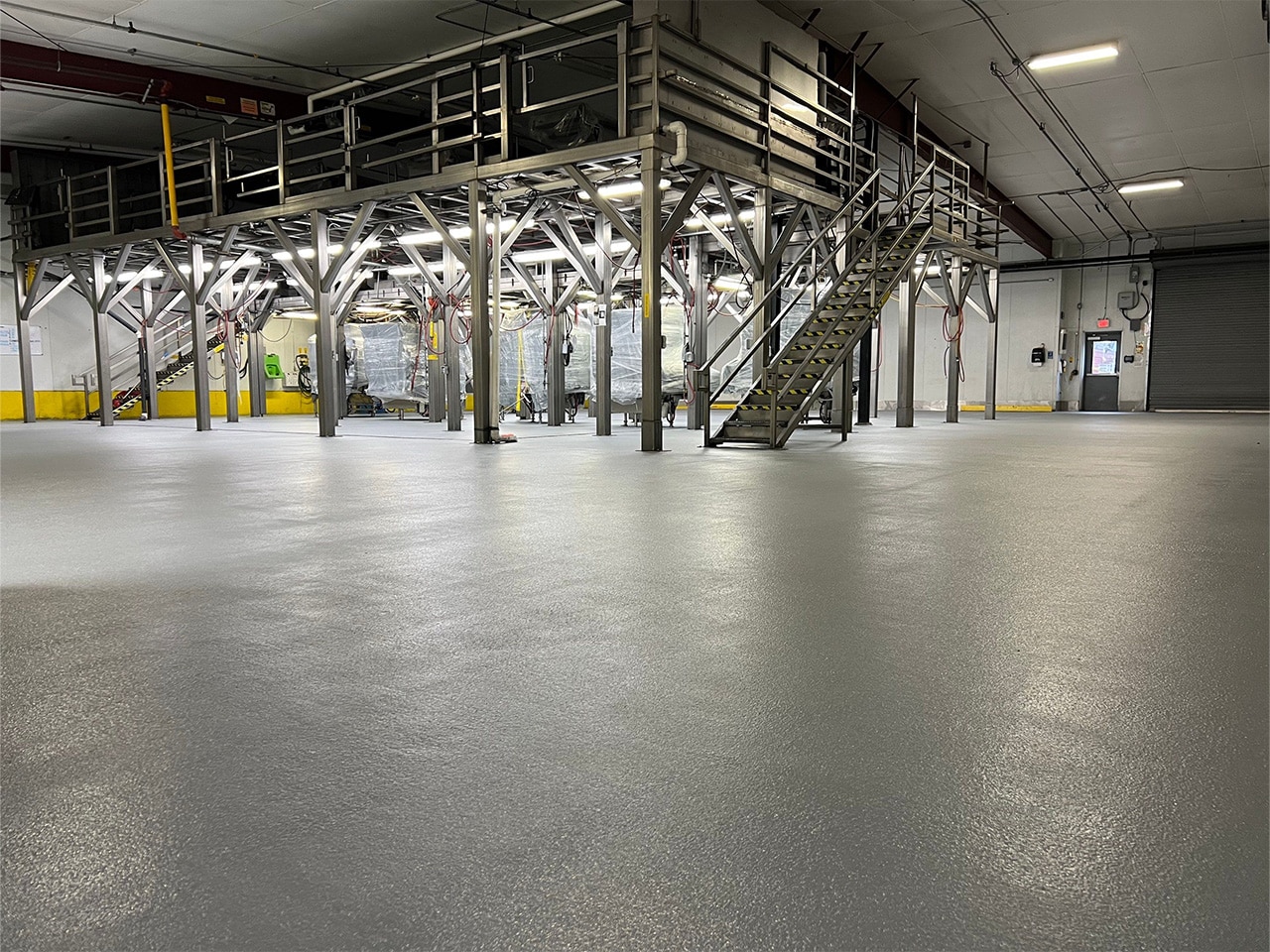
Choosing the right floor coating goes beyond color and style — it impacts durability, safety, maintenance, and overall performance. Choosing epoxy & polyaspartic floor coatings requires evaluating your space’s use, traffic, environmental conditions, and aesthetic goals. Both coatings protect concrete and offer long-lasting results, but understanding their differences ensures you make the right choice for your home, garage, or commercial facility.
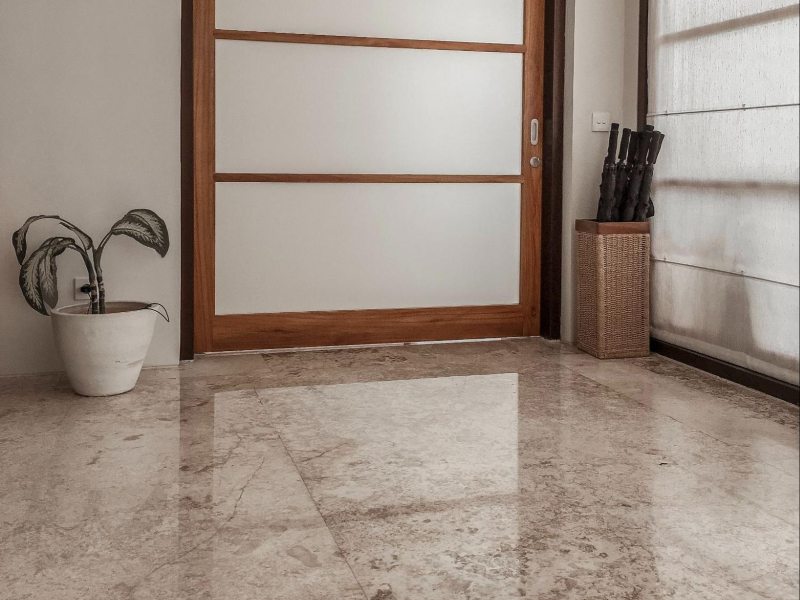
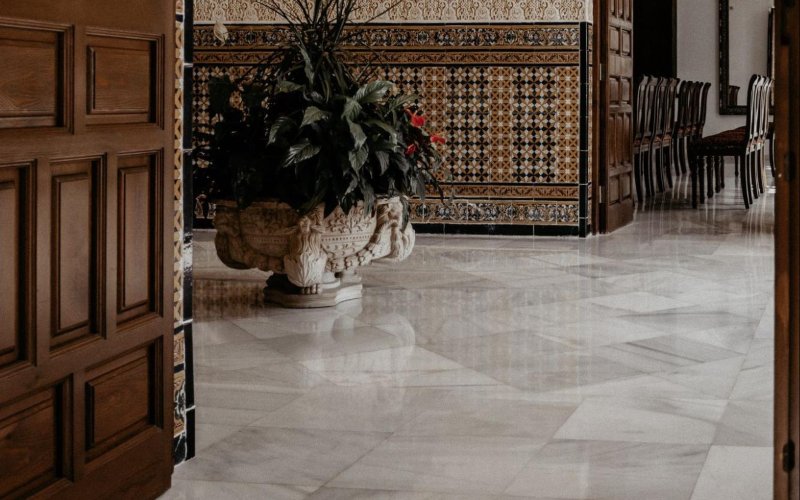
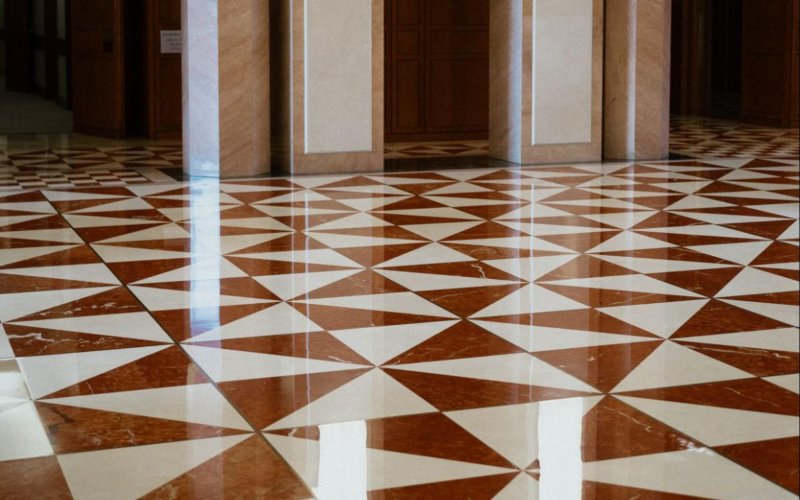
Color and Aesthetic Considerations
- Light shades: Show dirt and dust more easily, requiring more frequent cleaning.
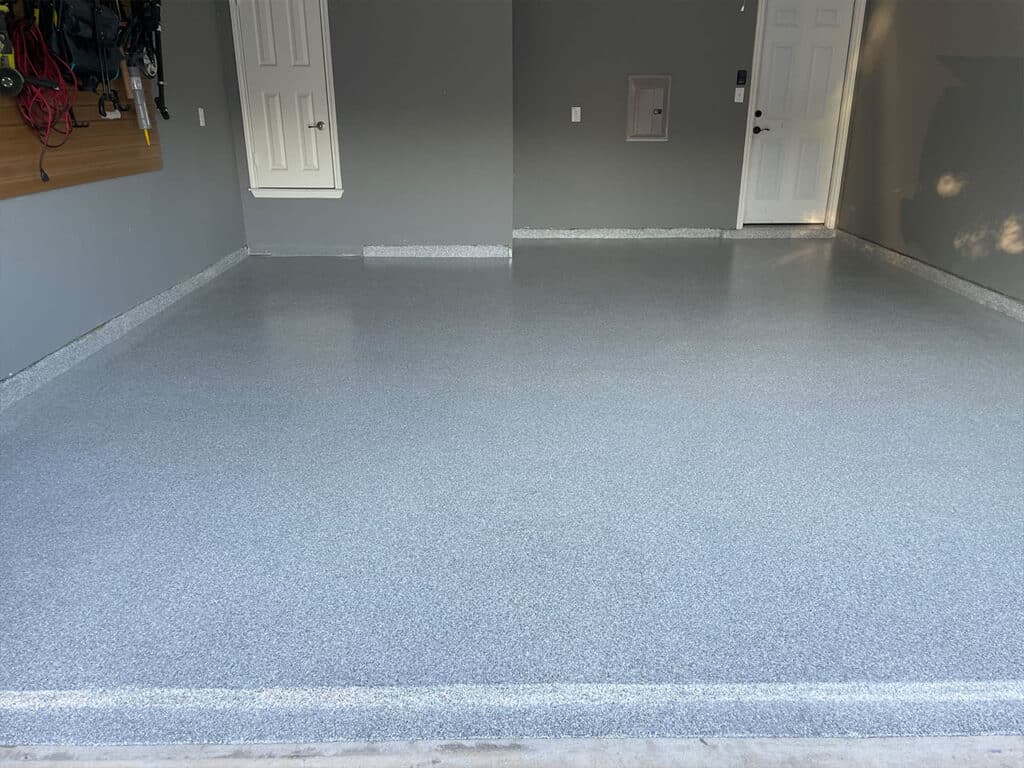
- Dark shades or speckled finishes: Can camouflage minor debris while adding texture and visual appeal.
Durability
- Epoxy Flooring: Extremely durable, ideal for industrial, commercial, and high-traffic residential spaces. Resists water, chemicals, heat, and impact.
- Polyaspartic Flooring: Offers similar durability but with added flexibility, making it better suited for spaces with temperature fluctuations or minor concrete movement.
Abrasion Resistance
Abrasion resistance determines how well your floor stands up to wear and tear:
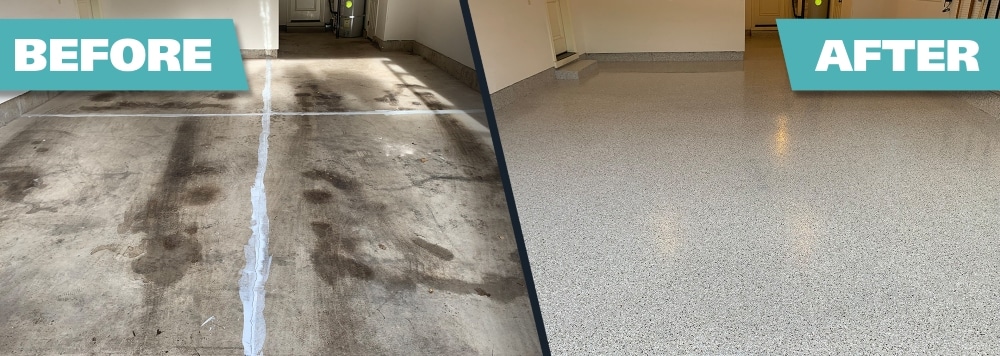
- Epoxy and polyaspartic coatings resist scratches, impact, and chemical damage that would harm tile, wood, or concrete.
- Decorative chips or textured finishes can improve traction and reduce wear.
- Industrial-grade options can include anti-skid or fire-resistant properties for safety and compliance in commercial environments.
Slip Resistance
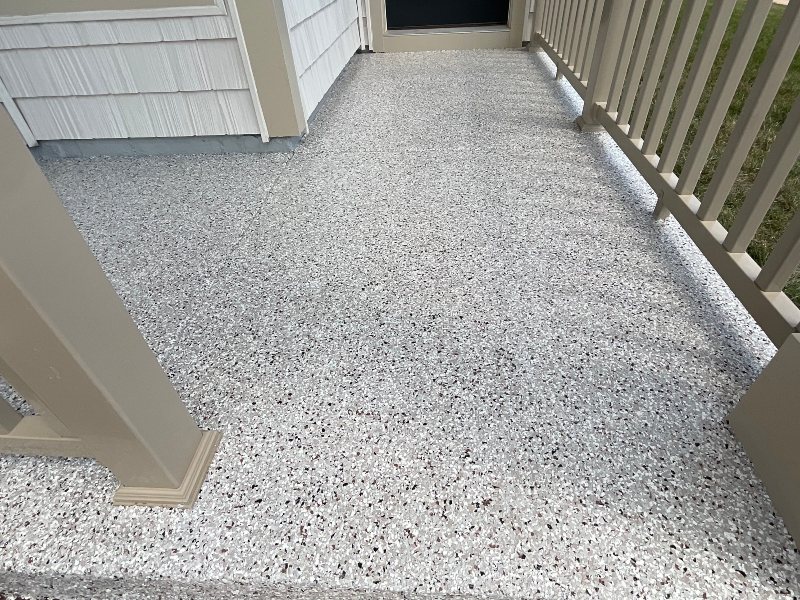
- Both epoxy and polyaspartic coatings can incorporate non-slip aggregates for added traction.
- Options include micro-bites, small glass spheres, or textured finishes to increase anti-skid performance.
- Slip-resistant coatings are especially important for commercial kitchens, workshops, or facilities with frequent foot traffic.
Substrate Preparation
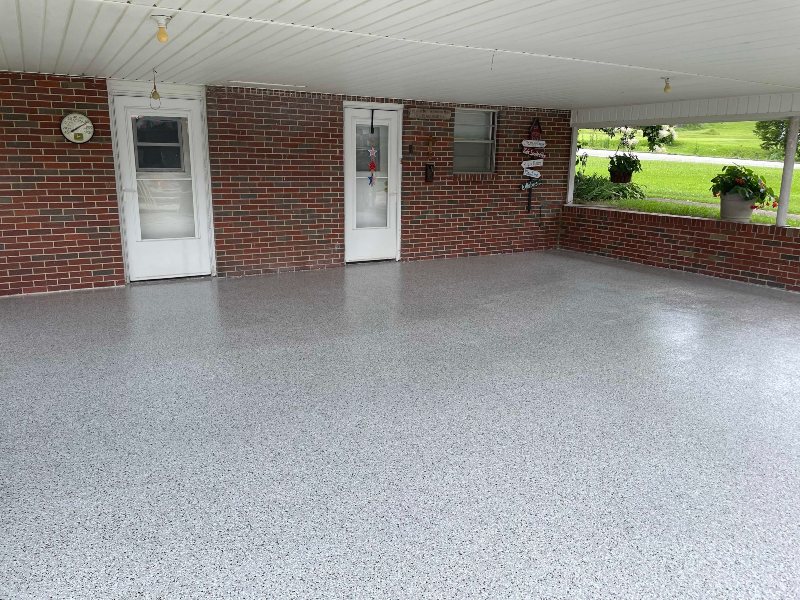
- Clean, repair, and etch the concrete surface before applying the coating.
- Polyaspartic coatings tolerate a wider range of temperatures during application, while epoxy requires careful temperature and humidity control.
- High-traffic or moisture-prone areas may require primers or moisture mitigation to prevent peeling or delamination.
Maintenance and Longevity
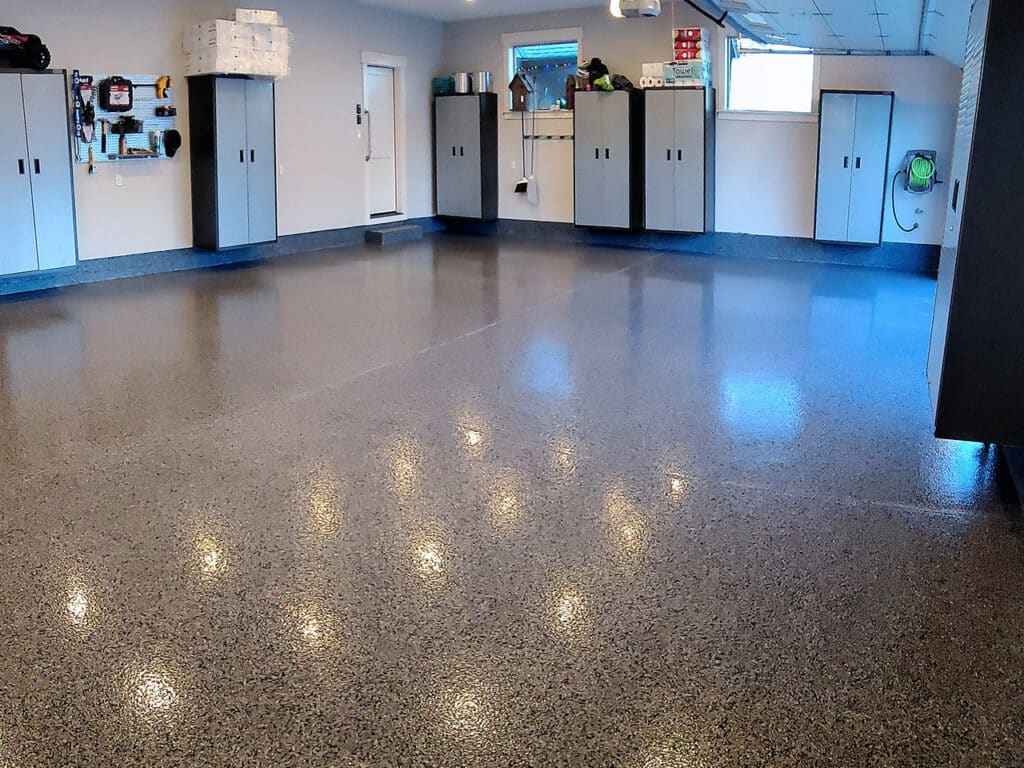
- Regular sweeping and mopping are usually all that’s needed.
- Both coatings resist mold, mildew, stains, and chemical damage.
- Polyaspartic floors cure faster (often within 24 hours) and maintain gloss longer, making them ideal for spaces that cannot afford downtime.

Industrial and Commercial Applications
- Garages and residential basements – for clean, durable, and stylish surfaces.
- Commercial showrooms – for aesthetic appeal, durability, and easy maintenance.
- Warehouses and industrial spaces – to withstand heavy machinery, chemical exposure, and high foot traffic.
Finding The Best Epoxy & Polyaspartic Flooring Near Me comes down to research, transparency, and expertise. A trusted local contractor will offer multiple coating systems, perform thorough surface preparation, provide clear warranties, and deliver professional installation from start to finish.
When done right, epoxy and polyaspartic flooring can transform concrete into a durable, beautiful, and long-lasting surface — adding value to both homes and businesses.