The Myths of Epoxy Coatings You’ve Probably Heard – And Why They’re Wrong
Myth 1: Epoxy Coatings Are Just a Fancy Version of Paint
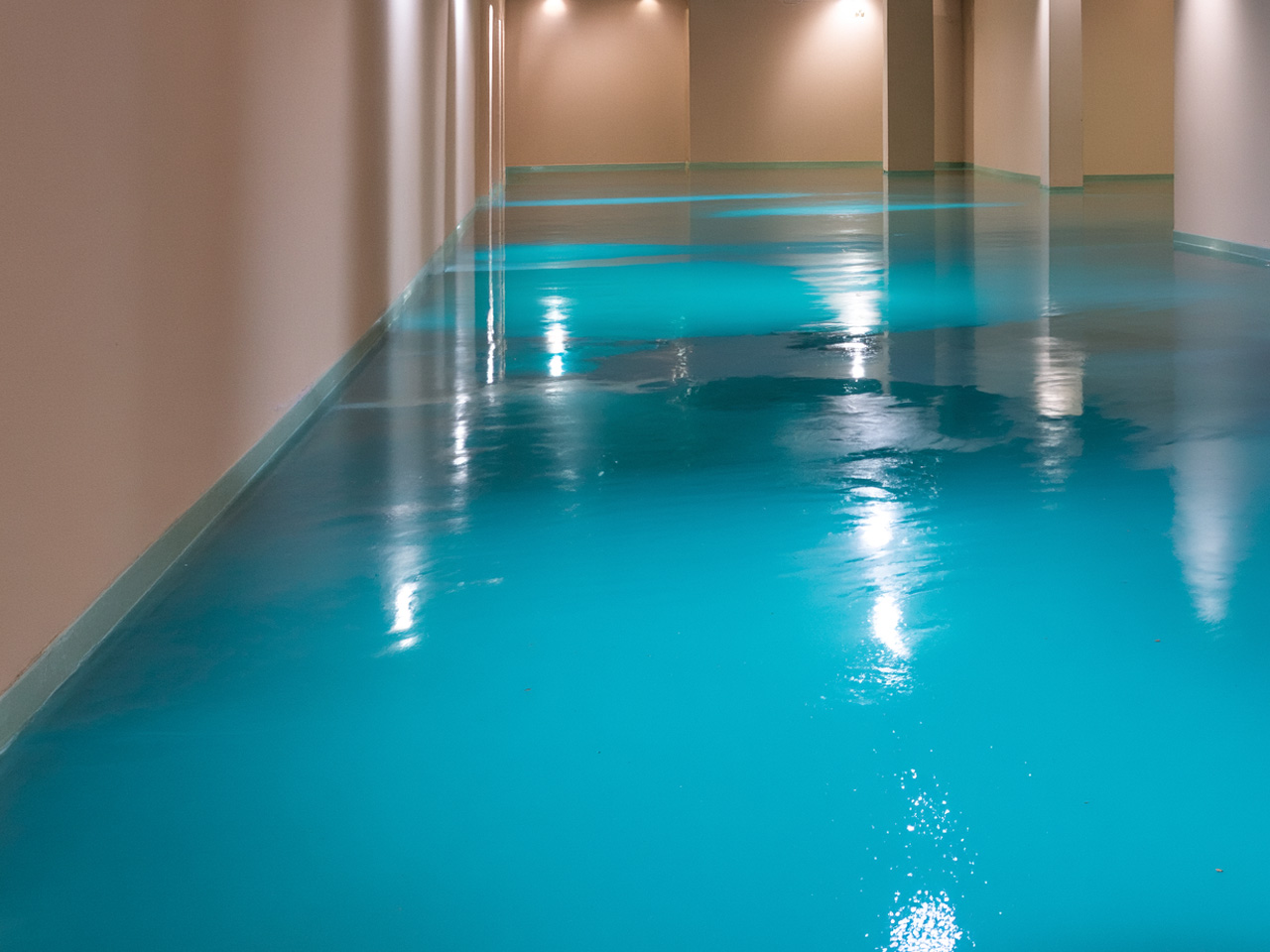
Reality: Epoxy is a thermosetting resin system (resin + hardener) that chemically bonds to concrete, forming a thick, cross-linked polymer layer—often 10–20 times thicker and far more resilient than paint. Paint sits on the surface and wears away quickly under abrasion, chemicals, or impacts, while properly applied epoxy penetrates and fuses with the concrete for superior adhesion, impact resistance, chemical resistance, and longevity. Thin paints chip, peel, and stain easily; quality epoxy does not.
Myth 2: Epoxy Floors Are Always Slippery, Especially When Wet
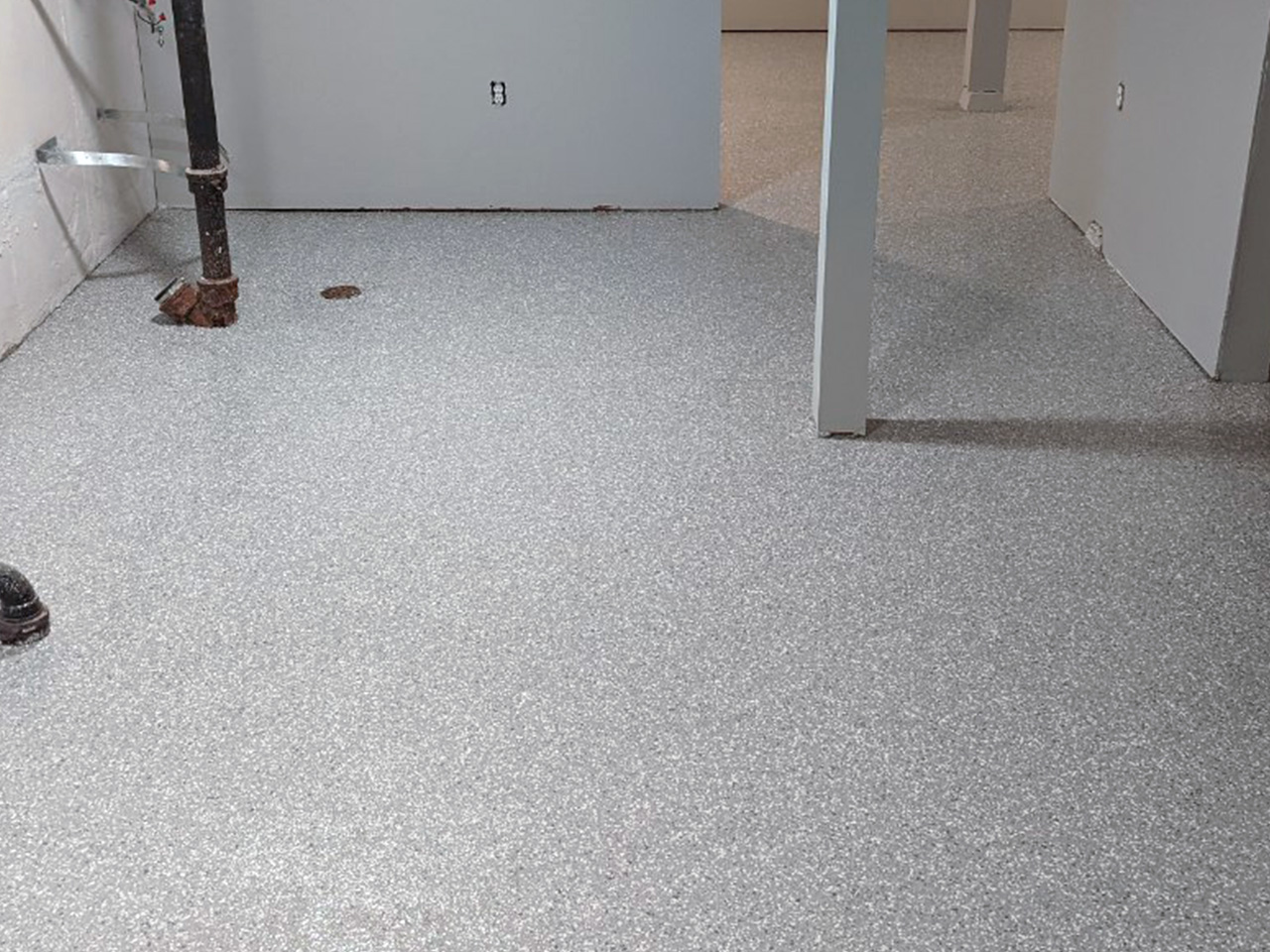
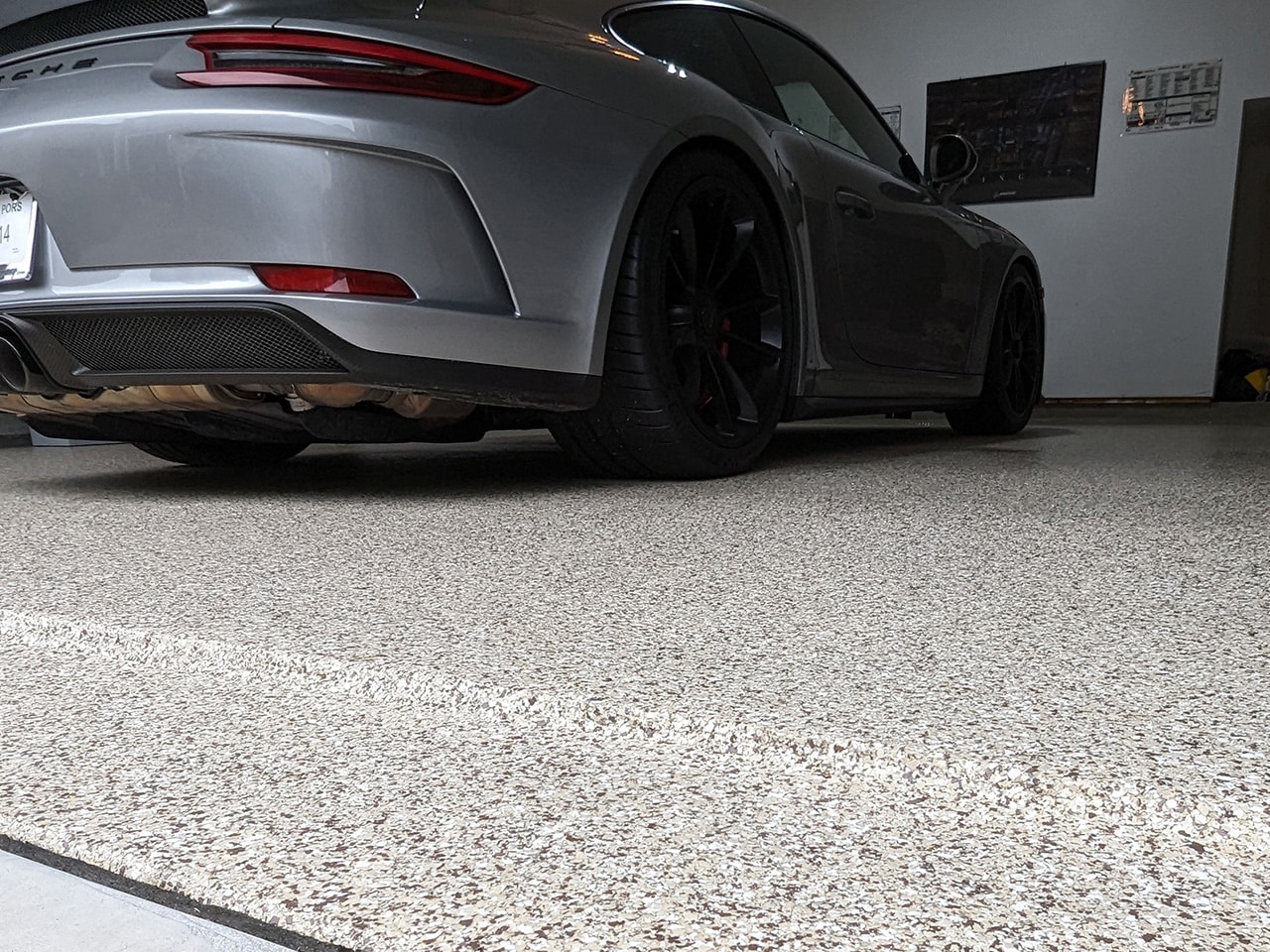
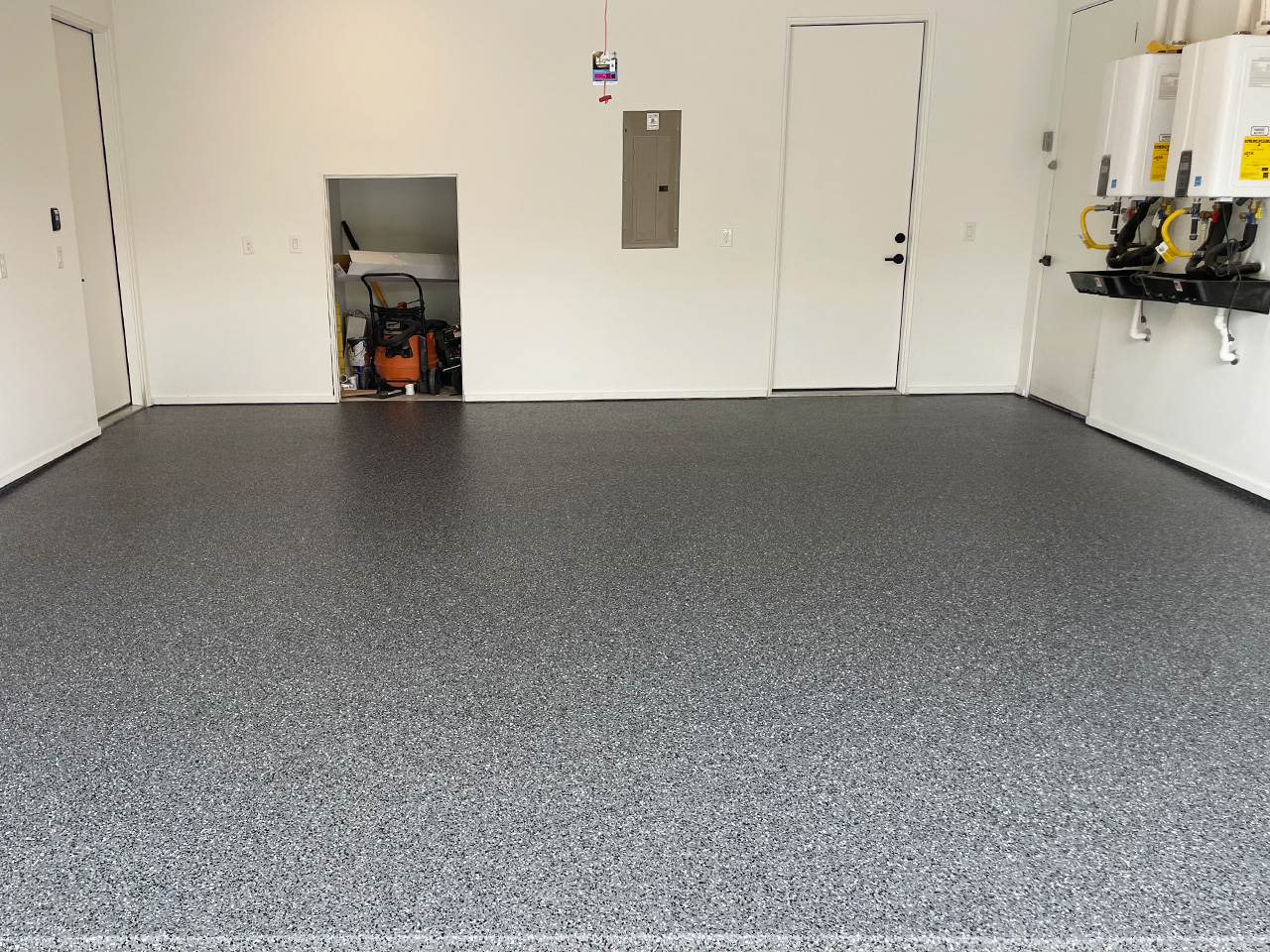
Reality: Standard glossy epoxy can be somewhat slick when wet, but this is easily addressed. Professional installers add anti-slip aggregates (such as silica sand, aluminum oxide, or polymer grit), broadcast flakes, or textured topcoats to create excellent traction—often safer than tile, polished concrete, or even some hardwood floors. Slip-resistant epoxy is standard in high-traffic or wet-prone areas like basements, garages, and commercial kitchens.
Myth 3: Epoxy Is Only for Industrial or Commercial Spaces
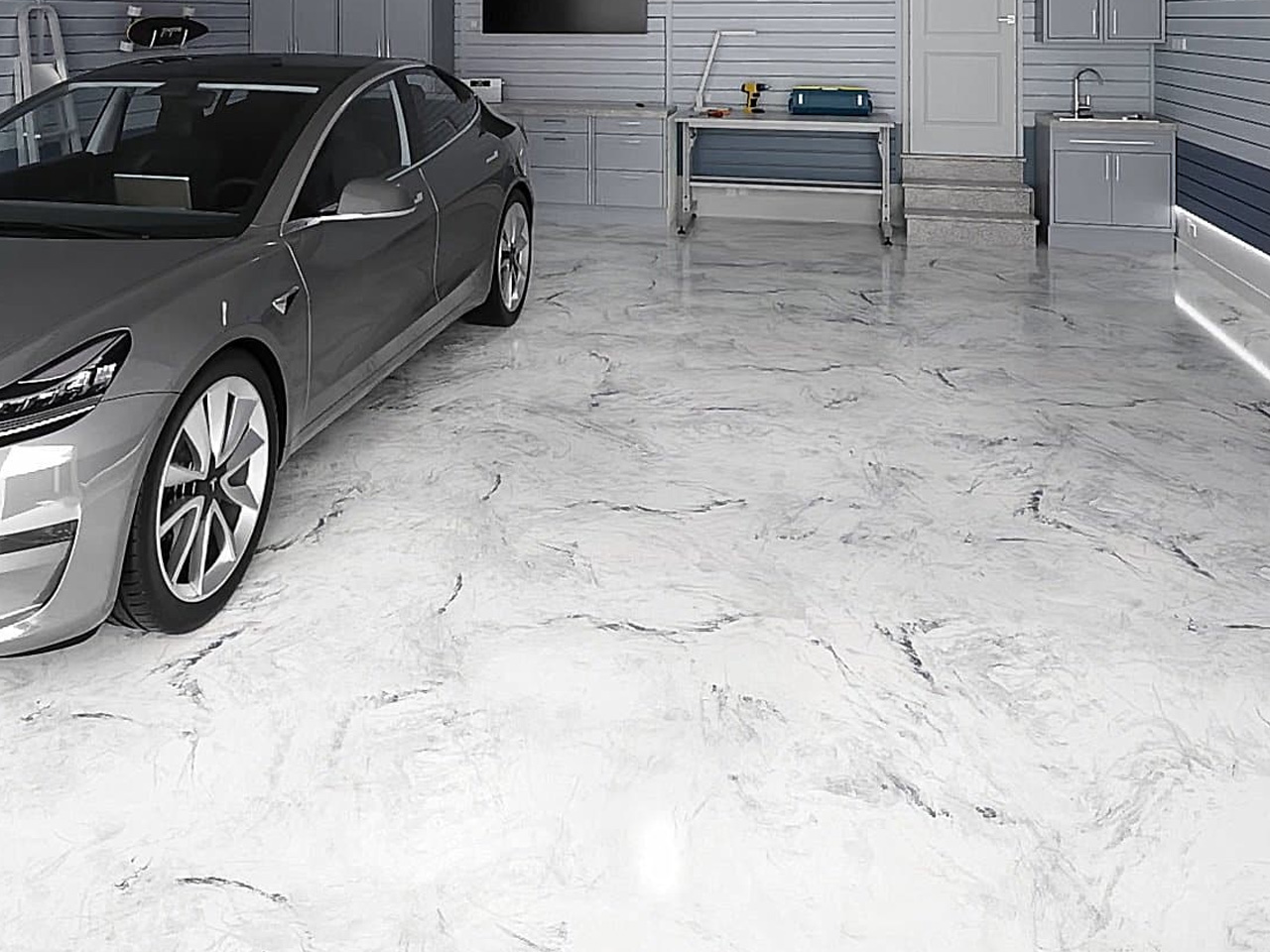
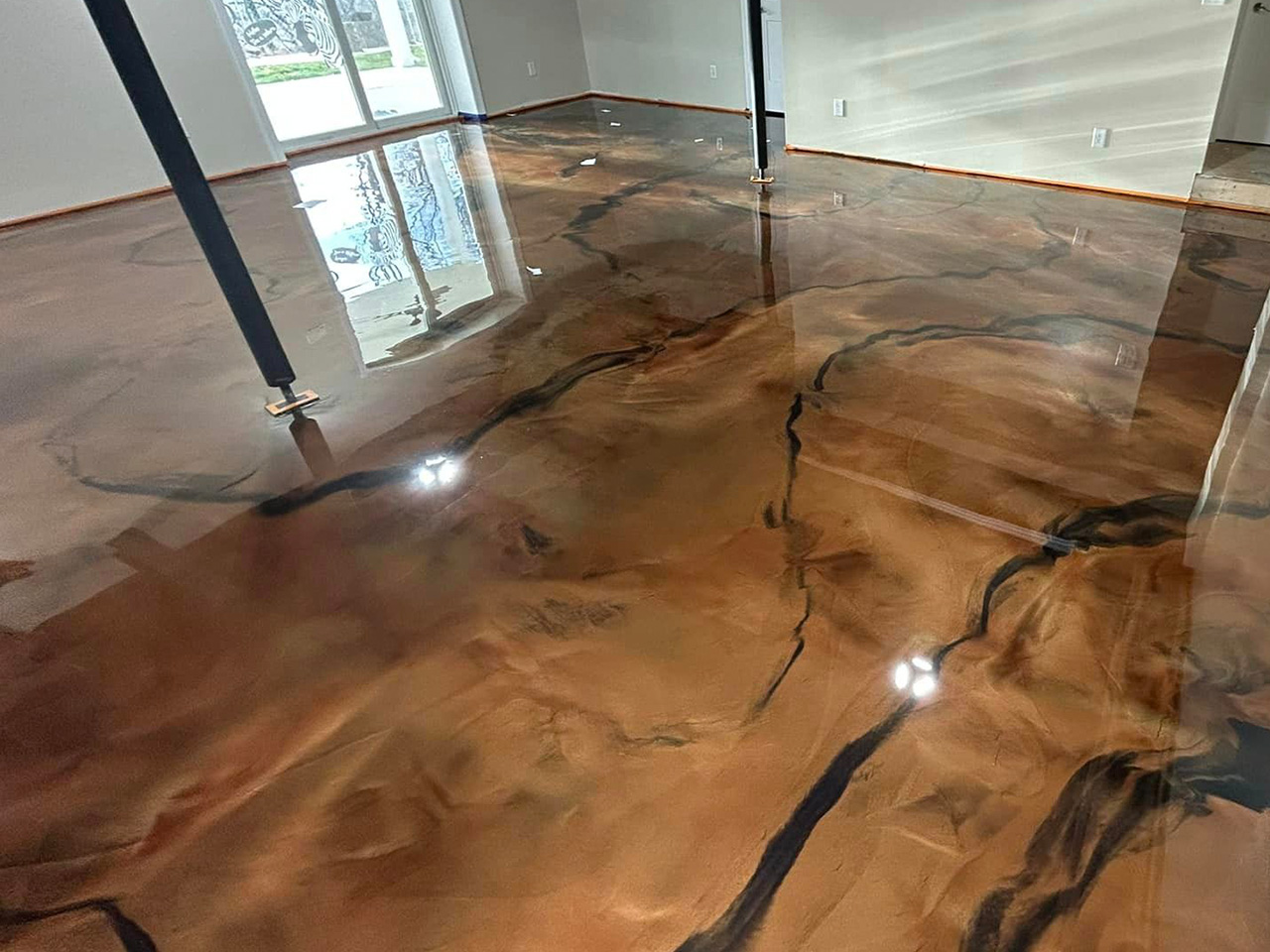
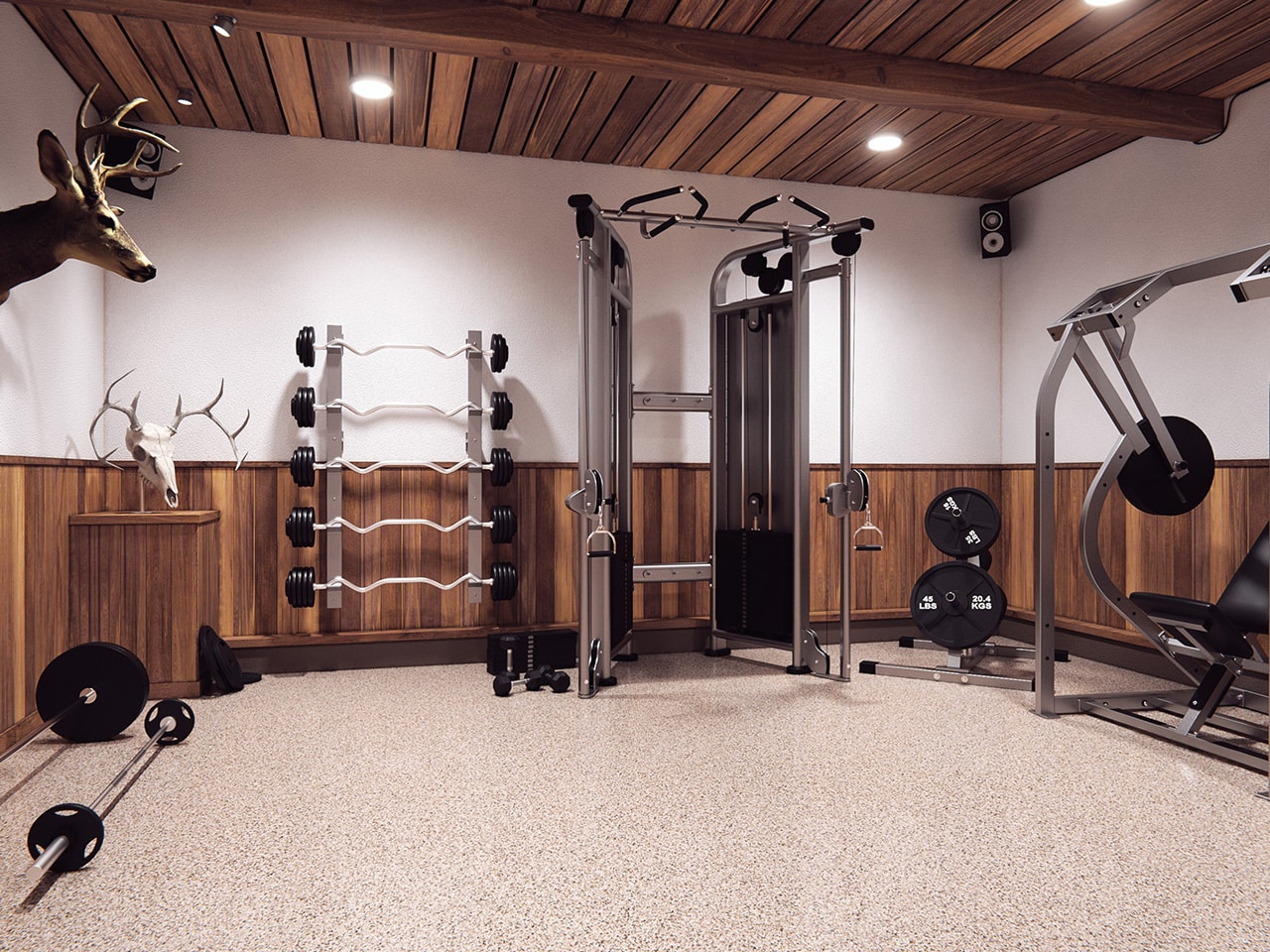
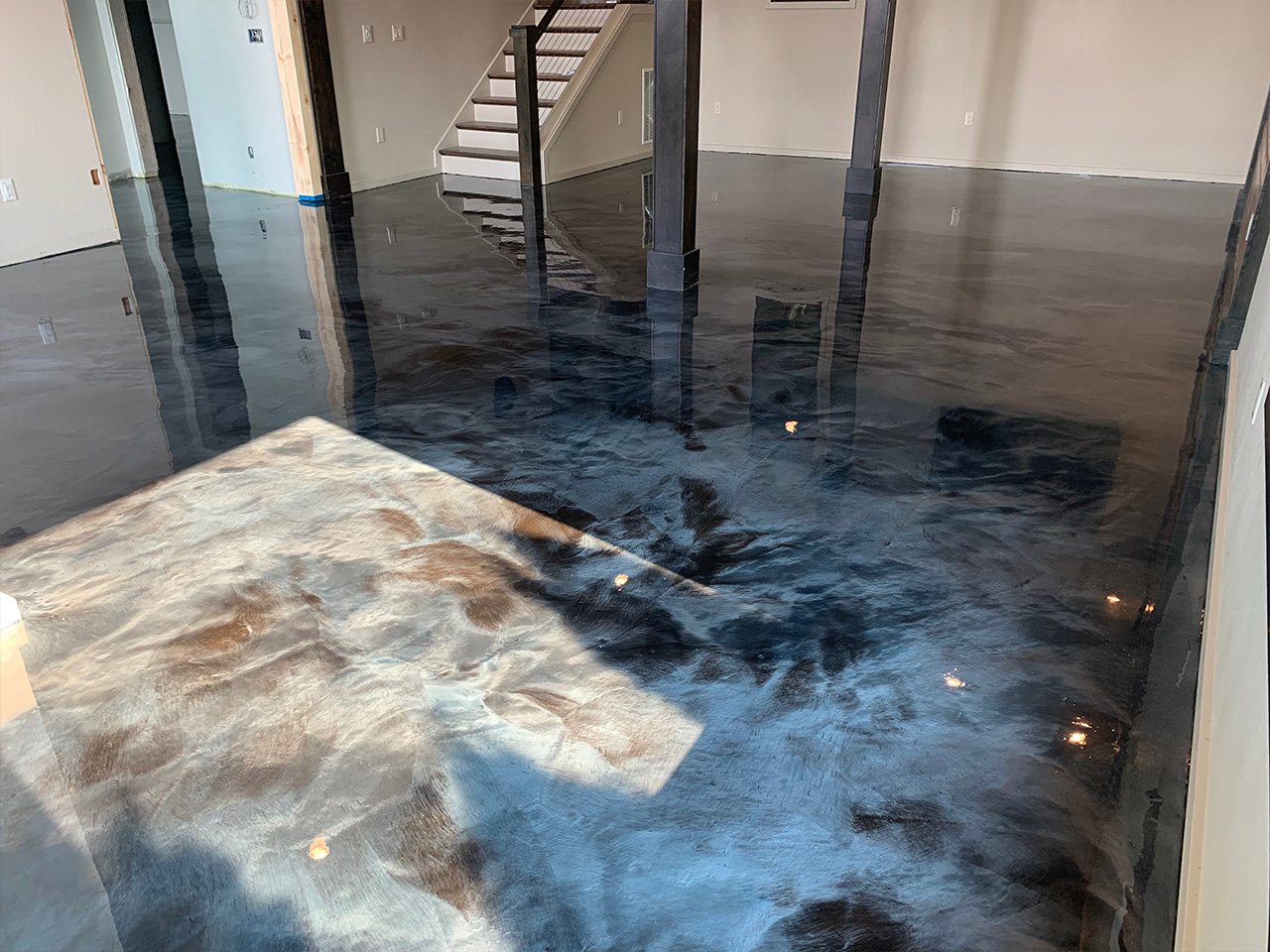
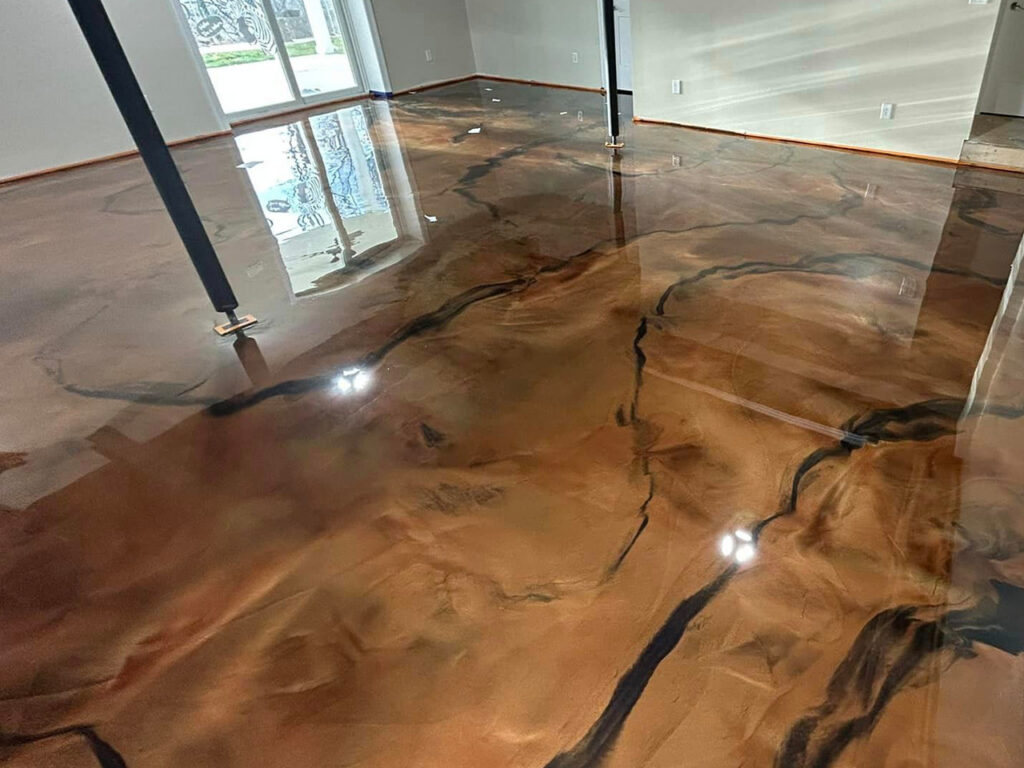
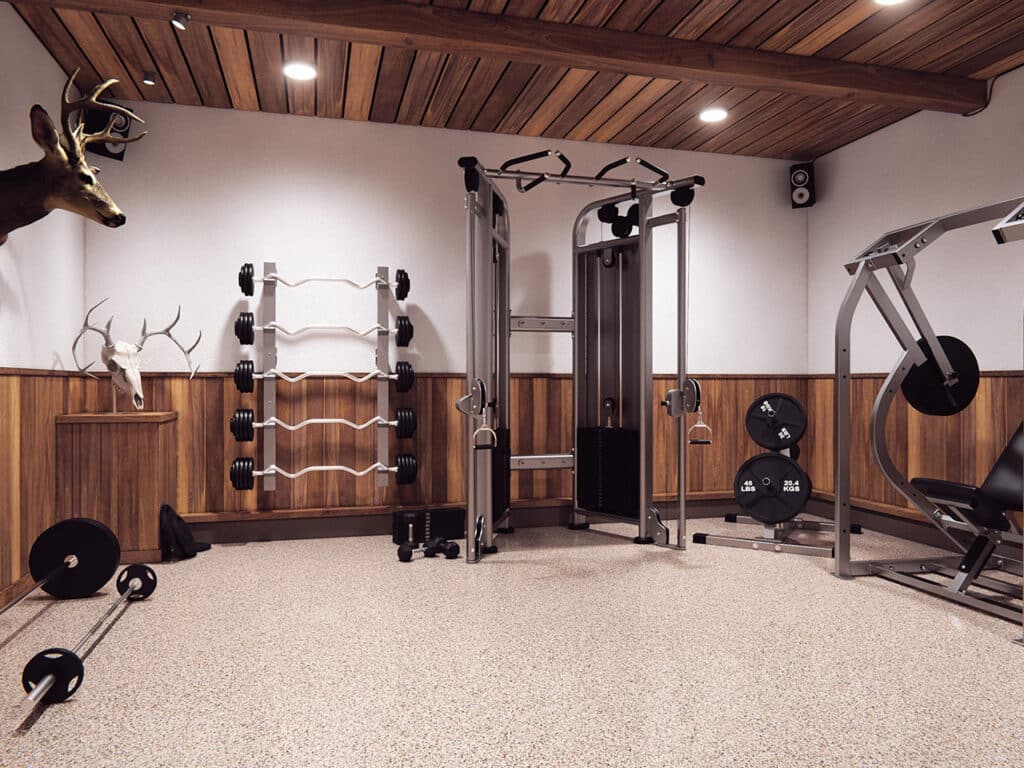
Reality: While epoxy originated in industrial settings, residential-grade formulations are now widely used in garages, basements, home gyms, laundry rooms, and even living spaces. Homeowners love it for its custom colors, flake designs, metallic effects, and ability to brighten dim areas. Modern epoxies are low-VOC, low-odor, and available in decorative styles that rival high-end flooring options.
Myth 4: DIY Epoxy Kits Deliver the Same Results as Professional Installation
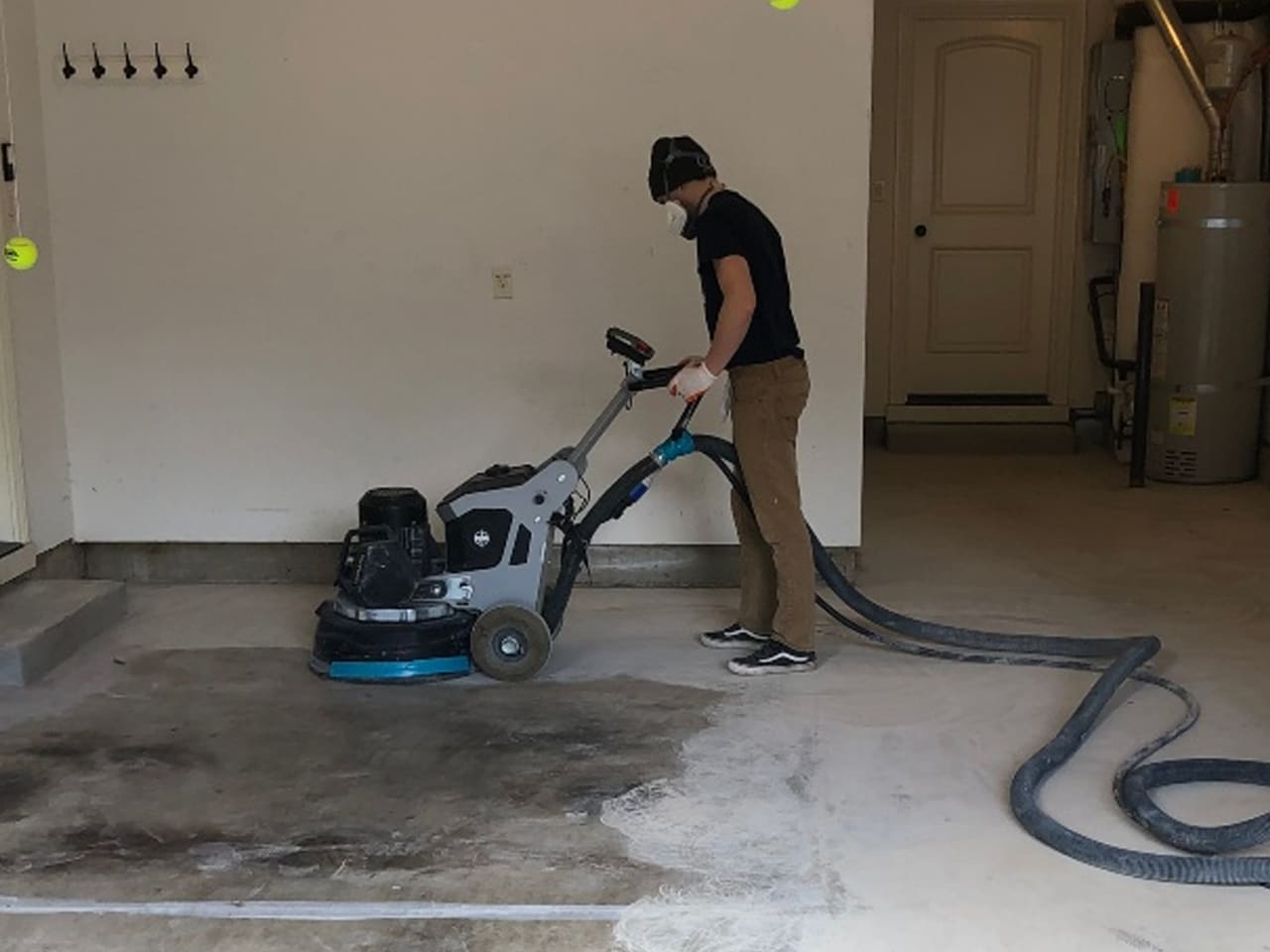
Reality: DIY kits often use lower-quality resins with limited thickness and adhesion strength. Success heavily depends on surface preparation (grinding, etching, moisture control), which most homeowners underestimate –
especially in basements or garages with oil stains or humidity. Poor prep causes the majority of failures (peeling, bubbling, delamination). Professional installers use industrial tools, multiple coats, and warranties, resulting in 10–20+ year lifespans versus DIY projects that may fail in 2–5 years.
Myth 5: Epoxy Takes Forever to Cure and Disrupts Your Space for Weeks
Reality: Traditional epoxy may need 24–72 hours for foot traffic and 5–7 days for vehicles, but modern polyaspartic and hybrid systems cure in hours—often allowing light use the same day and full vehicle traffic in 24–48 hours. Fast-cure options minimize disruption significantly compared to alternatives like tile or carpet installation.
Myth 6: Epoxy Yellows or Fades Quickly, Especially in Sunlight
Reality: Older solvent-based epoxies could amber or yellow from UV exposure, but today’s formulations include UV-stable topcoats or use aliphatic polyaspartic/polyurea hybrids that resist yellowing entirely. In windowless basements or shaded garages, yellowing is rarely an issue even with standard epoxies.
Myth 7: Epoxy Is High-Maintenance or Difficult to Clean
Reality: Epoxy is one of the lowest-maintenance flooring options available. Its non-porous surface resists stains and spills – simple sweeping, mopping with mild detergent, or occasional pressure washing keeps it pristine. No waxing, sealing, or stripping needed, unlike many other floors.
Myth 8: Epoxy Coatings Are Too Expensive for Residential Use
Reality: While professional epoxy involves more investment than basic paint or mats, it delivers exceptional long-term value through durability (reducing replacement needs), low maintenance, and added home appeal. Many homeowners recoup costs via increased property value, especially in finished basements or premium garages. When calculated per year of service, epoxy often costs less than short-lived alternatives.
Myth 9: Epoxy Won't Last in Hot or Cold Climates / High-Moisture Areas
Reality: Modern epoxy systems (especially hybrids) handle temperature swings, hot tire pickup, and moisture well when properly installed with vapor barriers or primers. Polyaspartic options excel in variable conditions. Failures usually trace back to poor prep, not the coating itself.

Myth 10: Epoxy Coatings Are Only for New or Perfect Concrete Surfaces
Reality: High-quality epoxy (and especially polyaspartic systems) can be successfully installed over existing, older concrete as long as proper preparation occurs. Professionals use diamond grinding, shot-blasting, acid etching, crack filling, and moisture mitigation to create a sound substrate. Even oil-stained or lightly cracked floors can be restored and coated effectively. The key is thorough prep – skipping this step (common in DIY attempts) causes most failures, not the concrete’s age.
Myth 11: All Epoxy Coatings Are the Same - You Can Just Buy Any Kit
Reality: Epoxy coatings vary dramatically in quality. Consumer kits often use water-based or low-solids formulas with thinner mil thickness, weaker resins, and limited chemical/UV resistance. Professional systems are typically 100% solids (no solvents evaporating), multi-layered, and formulated for heavy-duty use with superior adhesion and abrasion resistance. The difference shows in longevity: pro installations often last 15–25+ years, while many DIY kits fail in 3–7 years due to poor bonding or wear.

The Bottom Line: Don't Let Myths Hold You Back
Epoxy coatings are a proven, versatile solution backed by decades of real-world performance. Most “problems” stem from low-quality materials, improper installation, or outdated assumptions – not the technology itself. When done right – with quality products and expert application – epoxy delivers a beautiful, protective floor that lasts for years with minimal effort.
If you’re considering epoxy for your garage, basement, or any concrete surface, the best next step is to consult a professional installer. They can assess your space, address any concerns, and provide accurate guidance tailored to your needs.

Tired of myths of epoxy coatings holding you back? Stop guessing about epoxy.