How Much Does Epoxy Garage Flooring Cost? Insider Secrets to Save Thousands

Investing in Your Garage: How Much Does Epoxy Garage Flooring Cost?

How Much Does Epoxy Garage Flooring Cost?

Homeowners frequently ask: How much does epoxy garage flooring cost? Costs depend on garage size, chosen system, concrete condition, and whether you go DIY or hire professionals. This guide outlines the main factors that influence pricing, compares epoxy types (including polyaspartic alternatives), discusses DIY versus professional installation, and explains why this upgrade is a smart, long-term investment.

If you’re seriously considering a garage transformation and wondering how much does epoxy garage flooring cost, the good news is that prices have become more competitive in recent years thanks to improved resin formulations and more installers entering the market. Still, costs can vary dramatically depending on your specific situation.

Key Cost Factors for Epoxy Garage Flooring

Your garage often serves as more than just a place to park – it’s a workshop, storage area, home gym, or multi-purpose room. Upgrading to epoxy garage flooring transforms a worn, stained concrete slab into a seamless, durable, glossy surface that withstands oil spills, tire marks, chemicals, impacts, and daily wear. This upgrade improves aesthetics, makes cleaning effortless, protects the underlying concrete, and can enhance your home’s overall appeal and resale value.
Several variables determine the total investment:

1. Garage Size

Square footage is the foundational element. A compact single-car garage (typically 200–300 square feet) requires less material and labor overall, while a standard two-car (400–500 square feet) or larger three-car (600–750+ square feet) setup scales up proportionally. Larger areas sometimes benefit from slightly lower per-square-foot rates due to economies of scale in material use and labor efficiency.

2. Type of Epoxy or Coating System

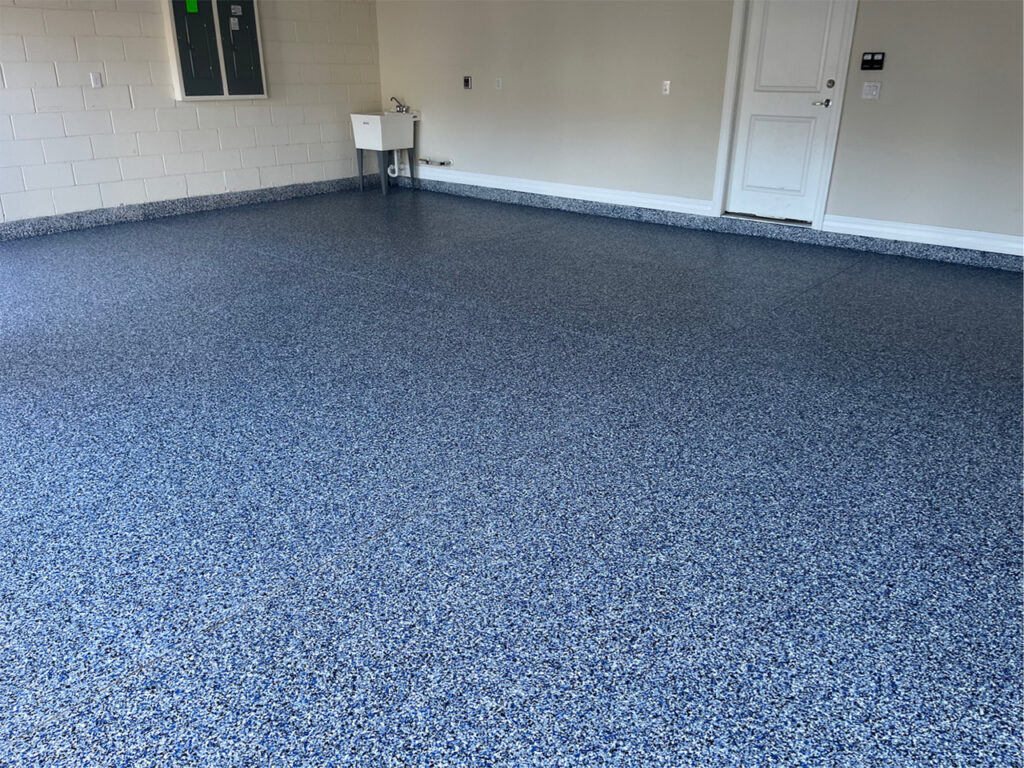
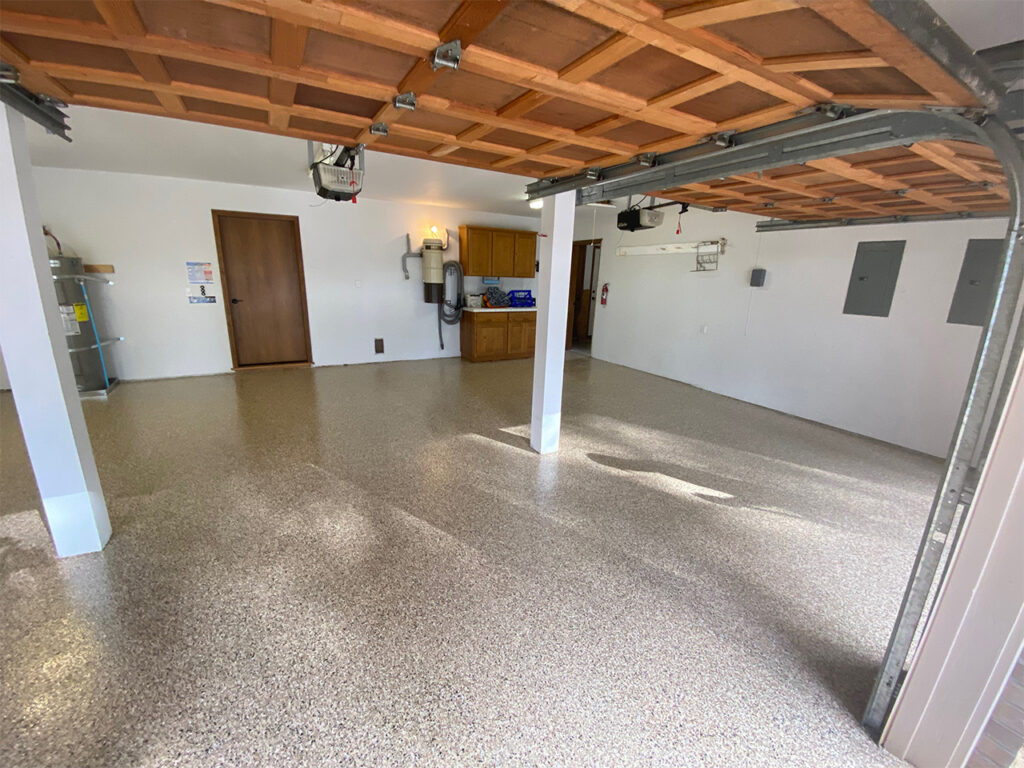
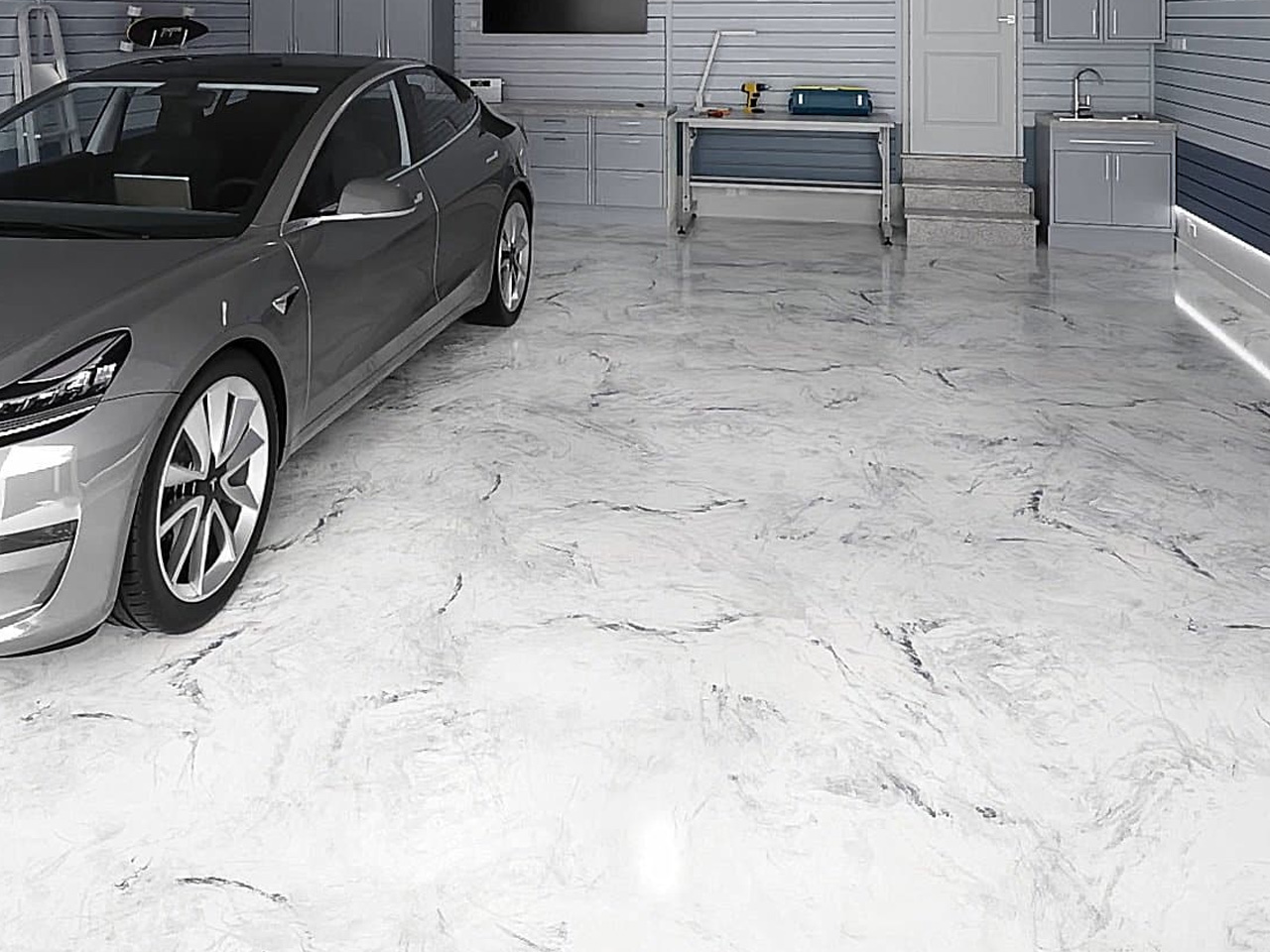
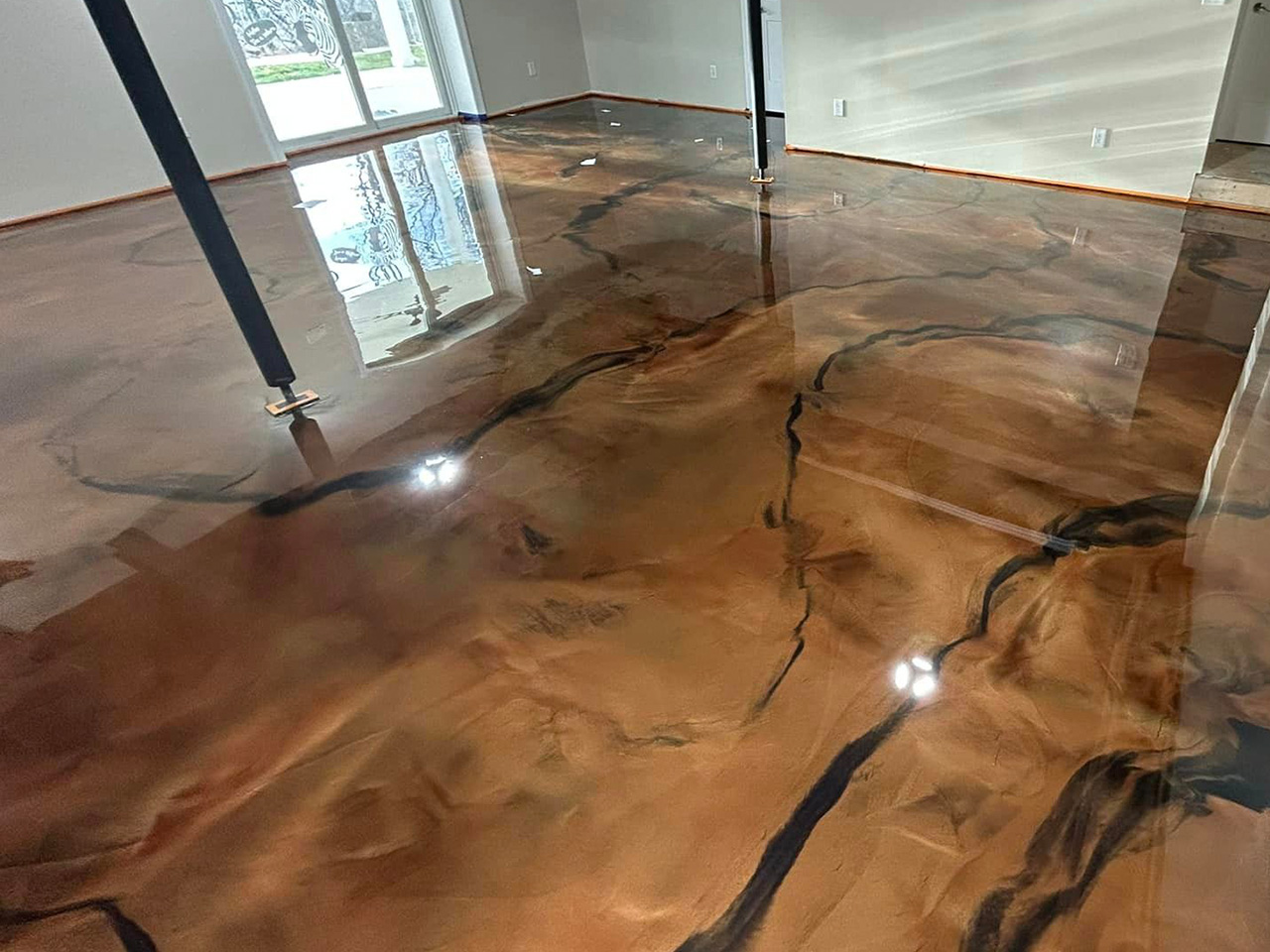
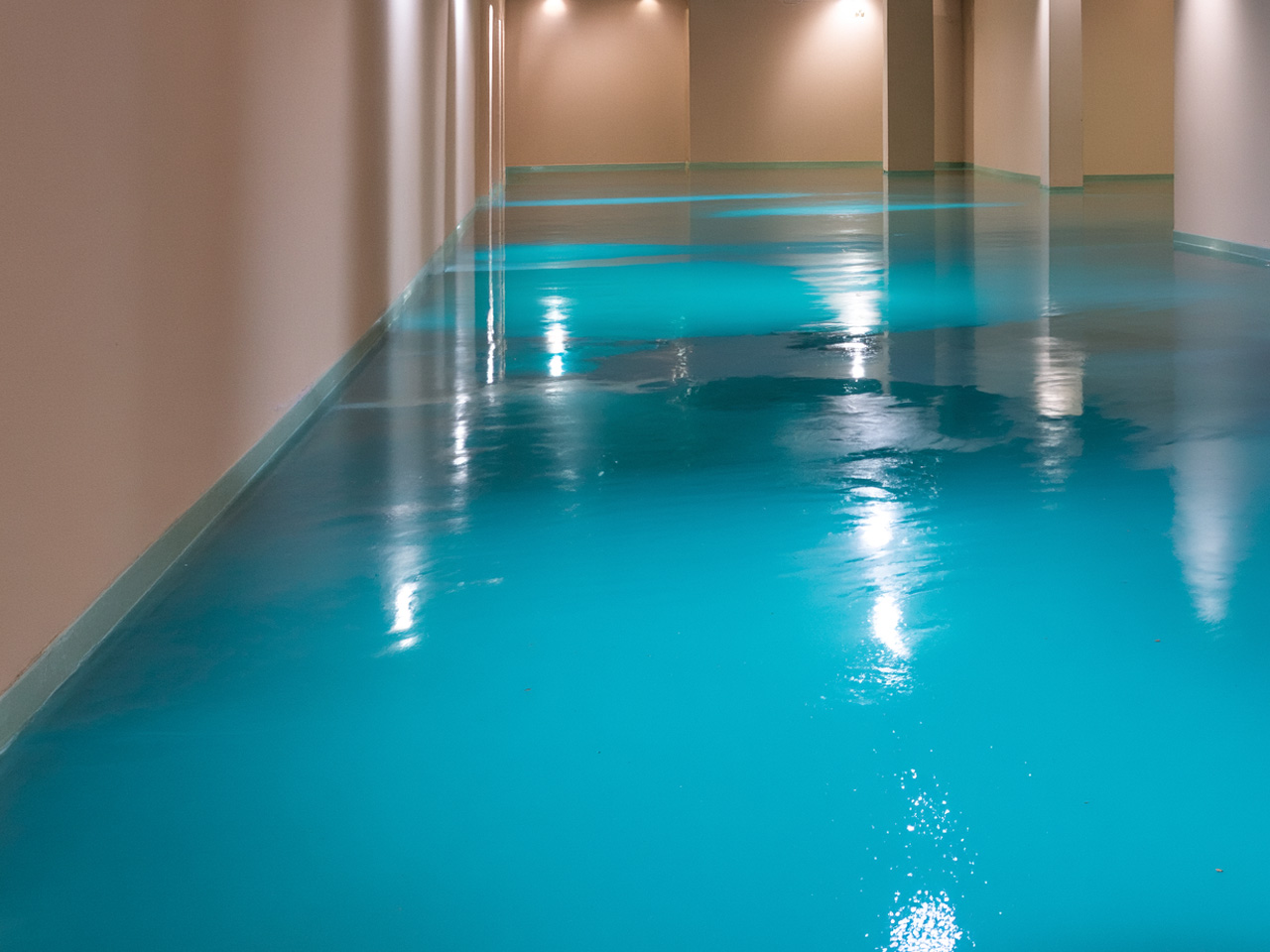
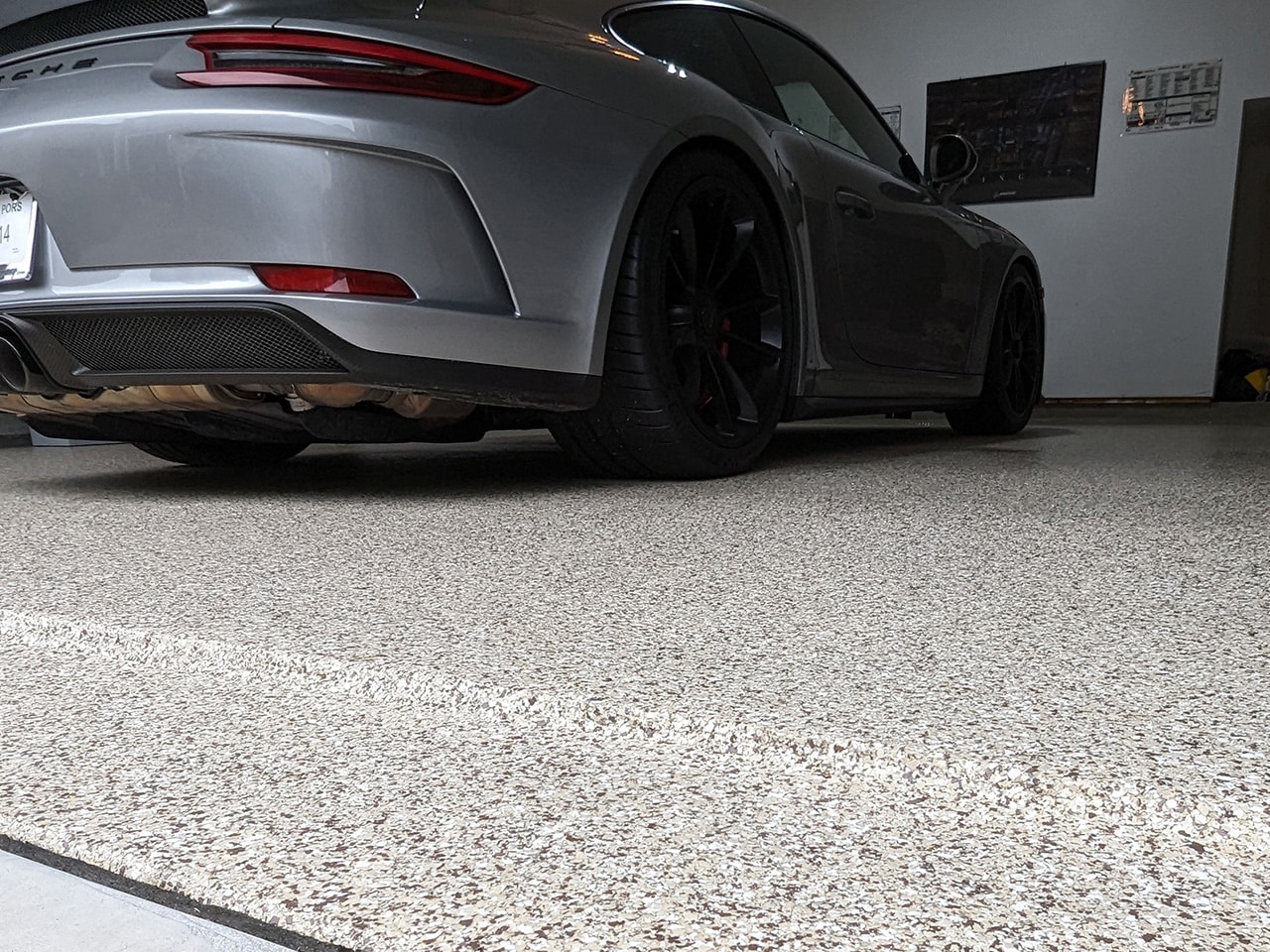
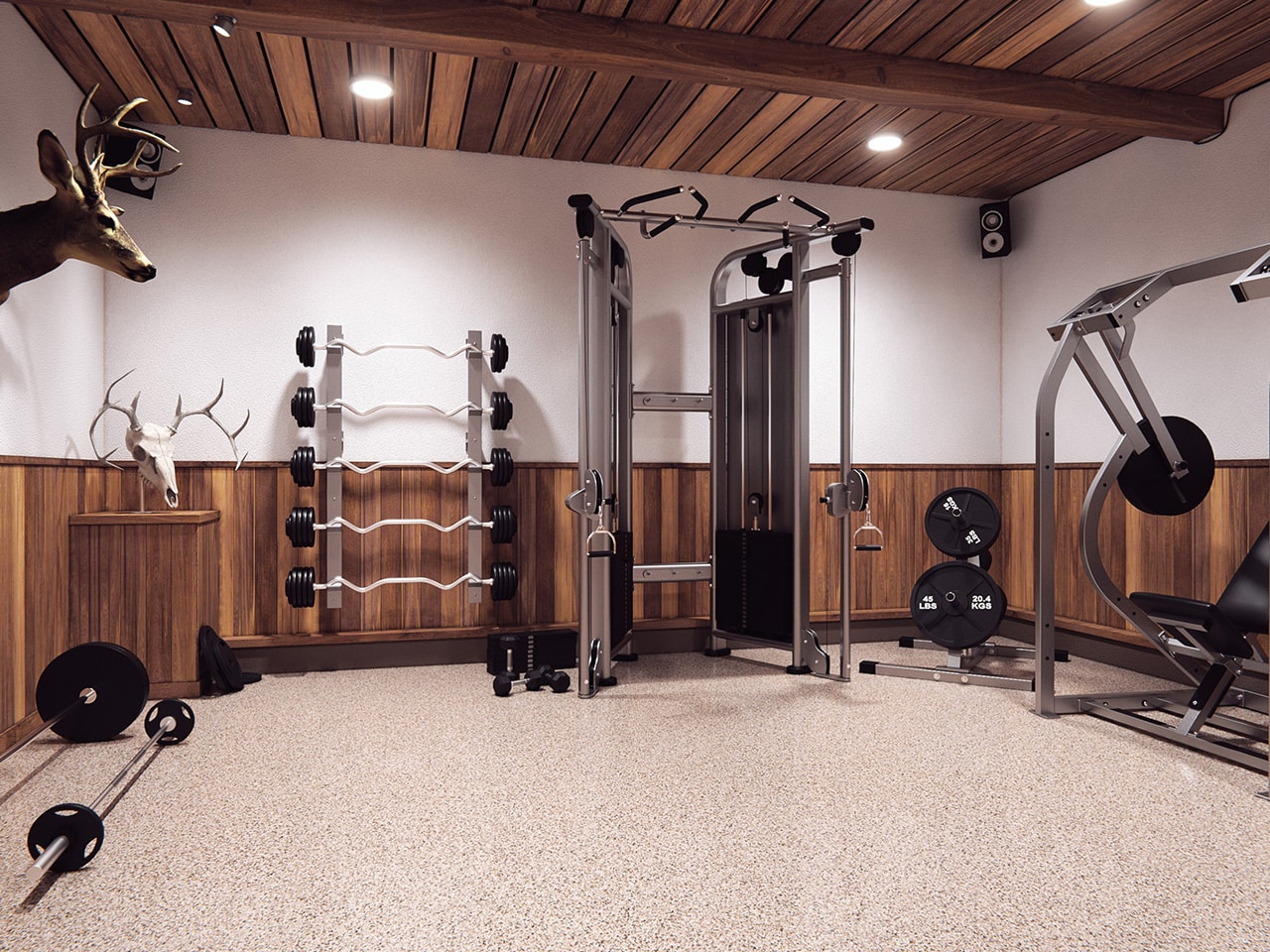
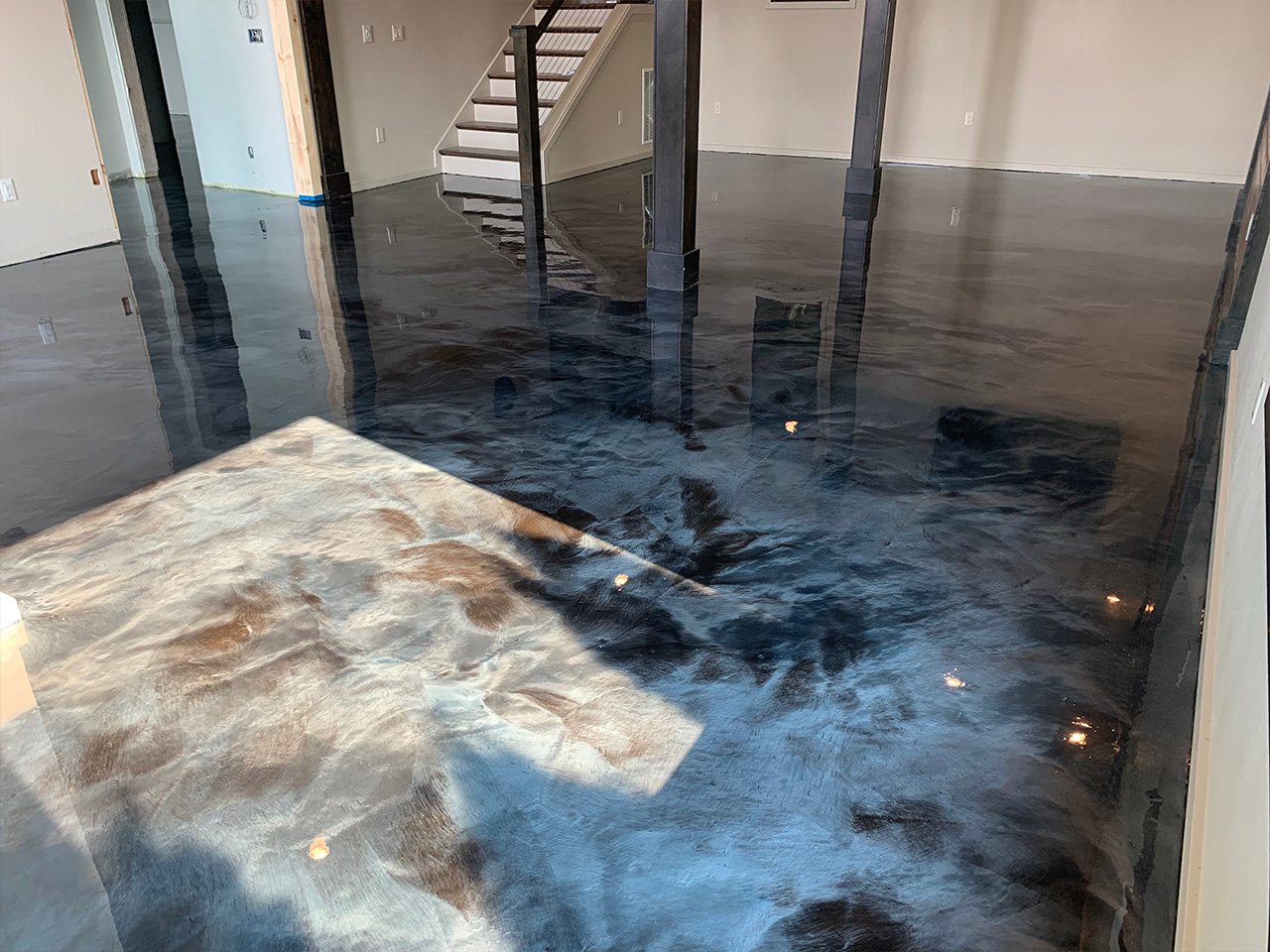
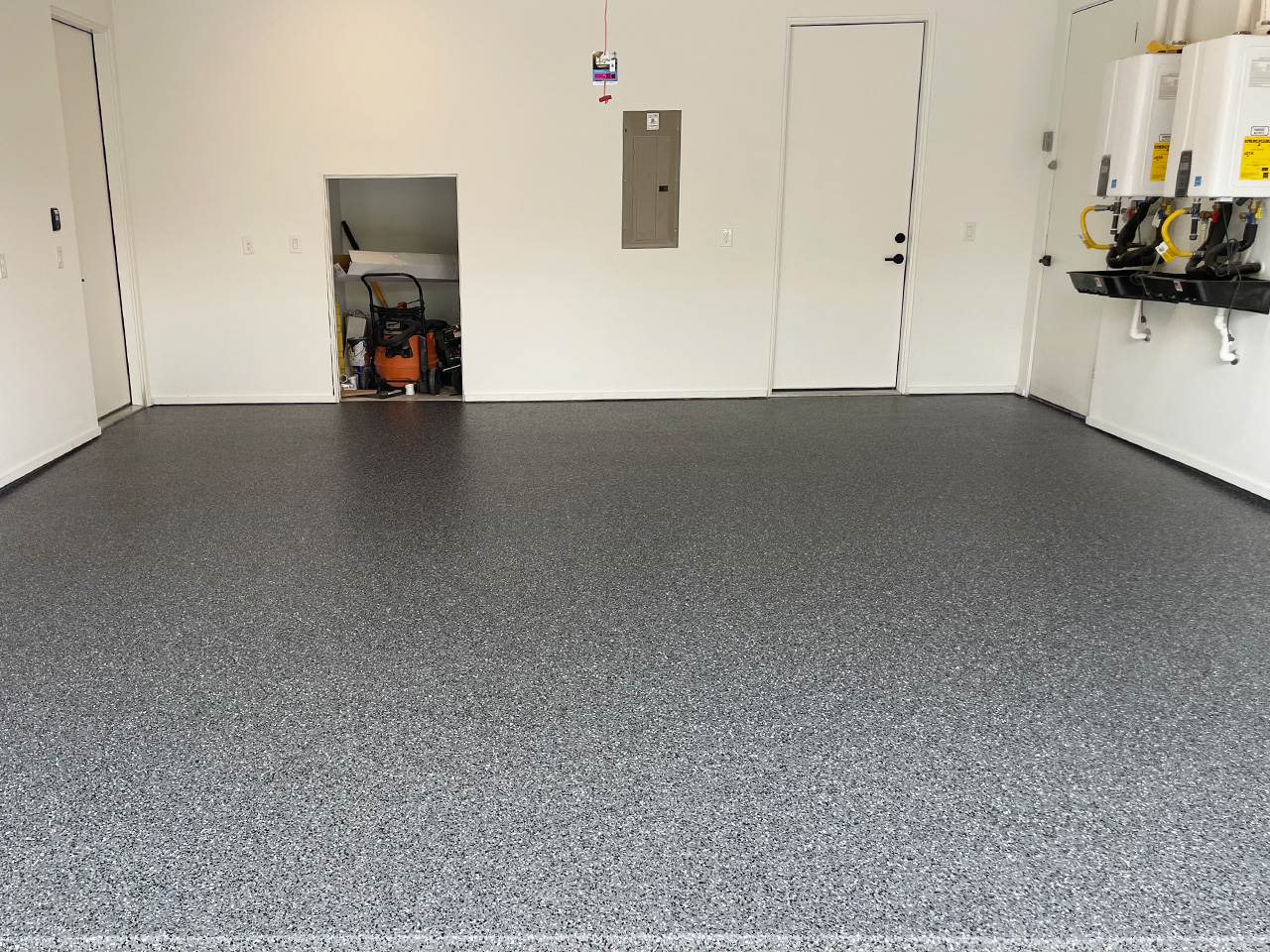
Basic solid-color epoxy tends to be the most budget-friendly option, while more elaborate systems – such as decorative flake/chip broadcasts (for added texture and visual interest), metallic finishes (for a shimmering, high-end look), or quartz-infused coatings (for superior slip resistance) – require additional materials, layers, and application time, pushing costs higher.

3. Concrete Condition and Surface Preparation

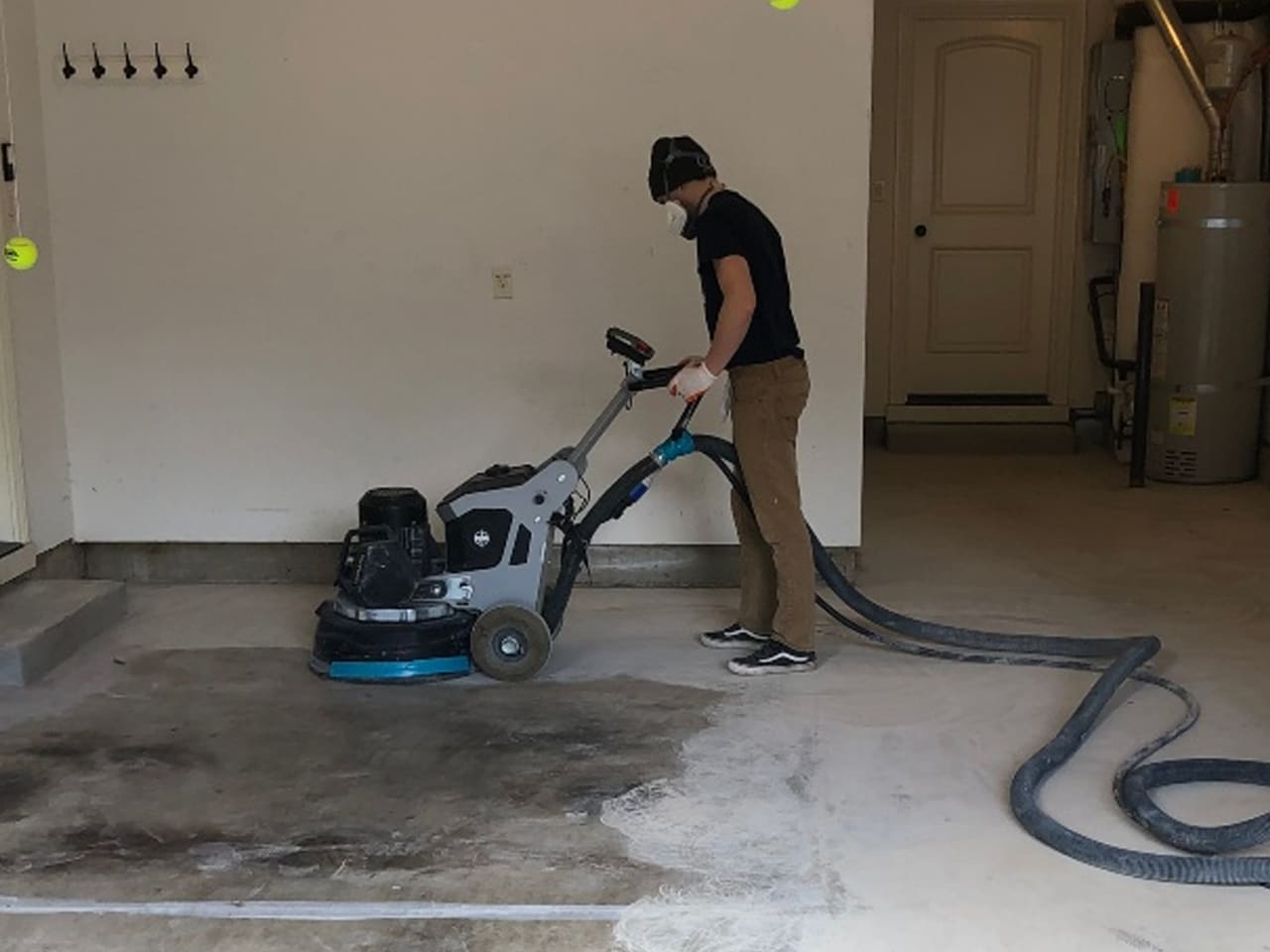
This is frequently the single largest variable and often a “hidden” expense. If your garage floor has deep cracks, significant oil saturation, spalling (surface flaking), uneven areas, or heavy staining, extensive repairs, grinding, acid etching, crack filling, or leveling become necessary to ensure proper adhesion. Poor prep is the leading cause of coating failure (peeling, bubbling, or delamination), so investing here upfront prevents expensive redo work later.

4. Installation Method

Hiring professionals includes expert surface preparation, precise mixing and application of multiple coats, controlled curing conditions, cleanup, and usually a warranty (often 10–20 years or lifetime on premium systems). DIY relies on kit materials and your own time and skill, which can reduce upfront costs but carries higher risk if steps are missed.

5. Custom Features

Options like anti-slip aggregates for better traction (especially useful in wet or snowy climates), custom color blends or patterns to match your home’s style, UV-stable topcoats to prevent yellowing in garages with windows or skylights, or advanced hybrid formulations increase both performance and price.

6. Regional and Labor Considerations

Labor rates vary by location, with urban areas often higher due to demand and access challenges.
Professional installations generally deliver stronger adhesion and longer-lasting results, while DIY can lower upfront expenses for suitable projects.
Garage Floor Coating by Wise Coatings

Types of Epoxy Garage Flooring & Typical Considerations

Traditional epoxy performs solidly in most enclosed, climate-controlled garages, but polyaspartic frequently emerges as the superior performer in environments with sunlight exposure, frequent temperature swings, or heavier daily demands.
Garage Floor Epoxy - Garage Epoxy & Polyaspartic Floor Coatings by Wise Coatings

DIY vs. Professional Installation: Key Differences

DIY Approach

Uses store-bought kits focused on materials; best suited for well-maintained concrete and experienced homeowners. Success hinges on meticulous preparation and application—errors can result in peeling, bubbling, or reduced lifespan.

Professional Installation

Manages surface preparation, layering, curing conditions, and often includes extended warranties. This approach typically ensures 10–20+ years of reliable performance with fewer issues.

For most homeowners, professional installation provides superior adhesion, safety features, and peace of mind – particularly in garages used for vehicles, tools, or heavy equipment.

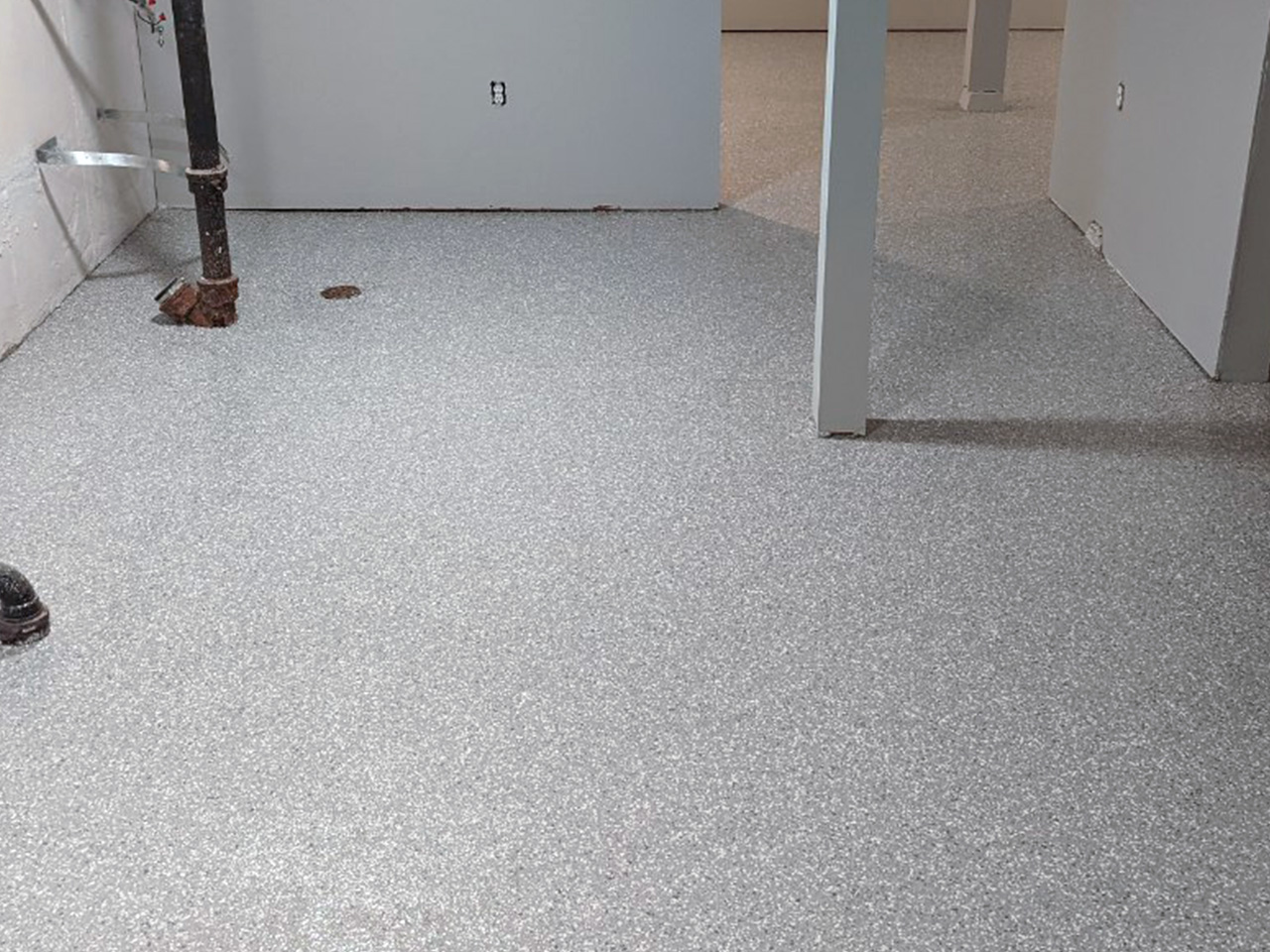
Before and After Epoxy and Polyaspartic Floor Coating by Wise Coatings

Why Epoxy (or Polyaspartic) Garage Flooring Is a Smart Investment

The true value of an epoxy or polyaspartic garage floor becomes clear when you look beyond the initial price tag and consider the full picture of benefits it delivers over time:

1. Exceptional Durability

Stands strong against stains, chemicals, abrasion, and physical impacts from dropped items or vehicle weight.

2. Easy Maintenance

The non-porous finish resists dirt penetration; simple sweeping, mopping, or occasional pressure washing keeps it looking new. No more fighting embedded oil or grime.

3. Aesthetics & Functionality

Creates a bright, polished, cohesive environment that feels like a true extension of your home rather than an afterthought.

4. Concrete Protection

Forms a barrier against moisture, salt, and contaminants that cause cracking or spalling over time; polyaspartic versions handle hot tires particularly well without softening or marking.

5. Added Home Value

Boosts curb appeal and resale potential. Buyers often view a professionally coated garage as a desirable, move-in-ready feature that saves them future effort and expense.
When compared side-by-side with alternatives like basic concrete paint, loose rubber mats (which shift and trap moisture), or interlocking tiles (which can harbor dirt in seams), epoxy delivers a truly seamless, high-performance solution with impressive longevity.
Ultimately, how much does epoxy garage flooring cost is only part of the equation. The real value lies in a floor that protects your concrete investment, simplifies your life, and makes your garage a space you’re proud to show off. With so many options – from basic solid colors to high-end metallic or polyaspartic finishes – there’s a solution for nearly every budget and style.

Tips for Getting the Best Value

Epoxy garage flooring is a practical, high-return investment that safeguards your space and elevates everyday use. With advanced options like polyaspartic widely available, homeowners have more choices than ever for a durable, attractive result.
Garage Floor Epoxy: Common Mistakes and How to Avoid Them

How Much Does Epoxy Garage Flooring Cost? FAQs

Frequently Asked Questions About Epoxy Garage Flooring Costs

Yes, upfront. But epoxy is far more durable, seamless, and low-maintenance than paint (which chips quickly) or tiles (which trap dirt and can shift). Over 10+ years, epoxy usually costs less per year.
Pros of epoxy include unmatched durability, but the con is the initial investment. However, when you break down how much does epoxy garage flooring cost per year over its lifespan, it’s often comparable to cheaper options that need frequent replacement.
Polyaspartic typically runs 20–50% higher per square foot due to faster cure times, superior UV resistance, and better flexibility. Many homeowners find the extra cost worthwhile for reduced downtime and longer life.

Usually not. Removing existing failed coatings adds sexpense. Get this clarified in quotes.

Many installers partner with financing companies offering 0% interest promotions or low monthly payments, making premium options more accessible.
Standard epoxy: 24–72 hours for light foot traffic, 5–7 days for vehicles. Polyaspartic: often 12–24 hours for foot traffic and 24–48 hours for vehicles.

Don't settle for stained concrete any longer.

If you’re wondering how much does epoxy garage flooring cost, you’re not alone. Reach out to a trusted local specialist for a FREE on-site evaluation and personalized guidance. The right flooring choice can turn your garage into a space that works harder and looks better for years to come!

Not in the Orlando area? No problem! CLICK HERE to connect with a trusted epoxy flooring specialist near you and get a completely FREE, no-obligation estimate for your garage.