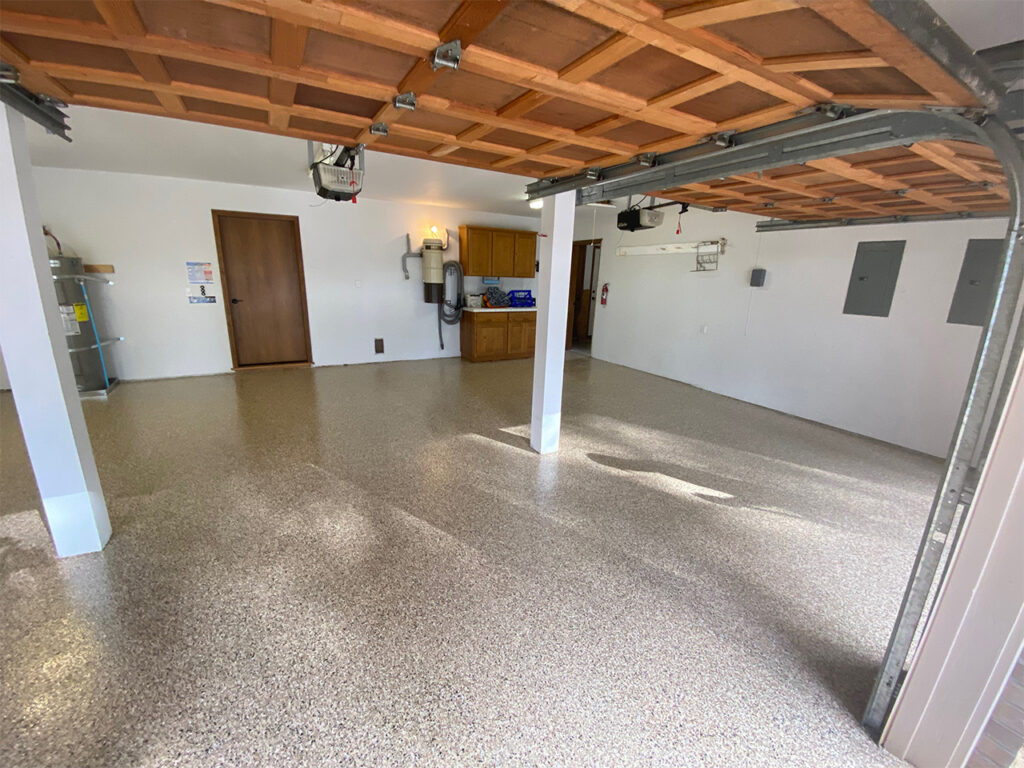
Same Day Garage Showroom Quality Floors
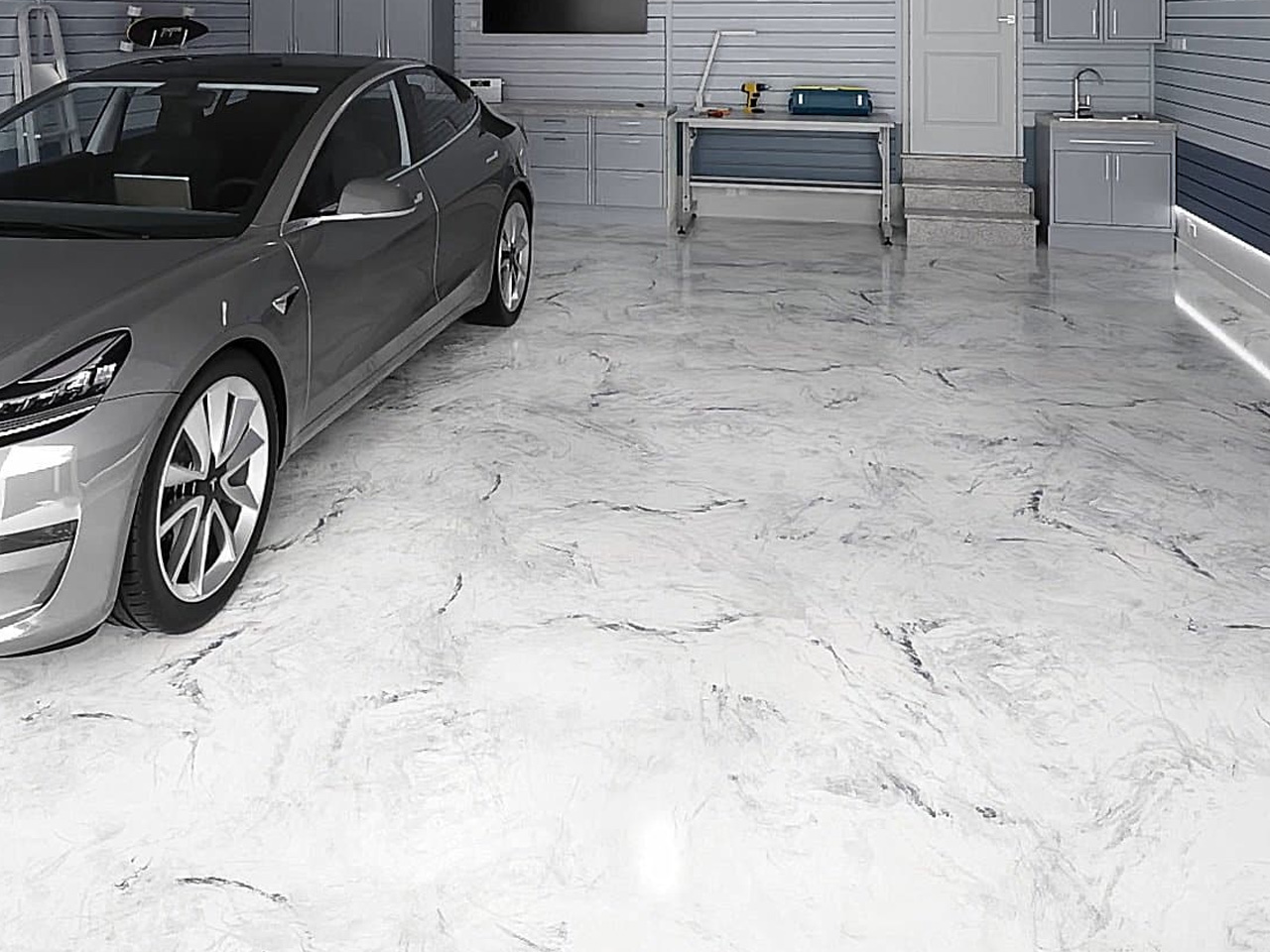
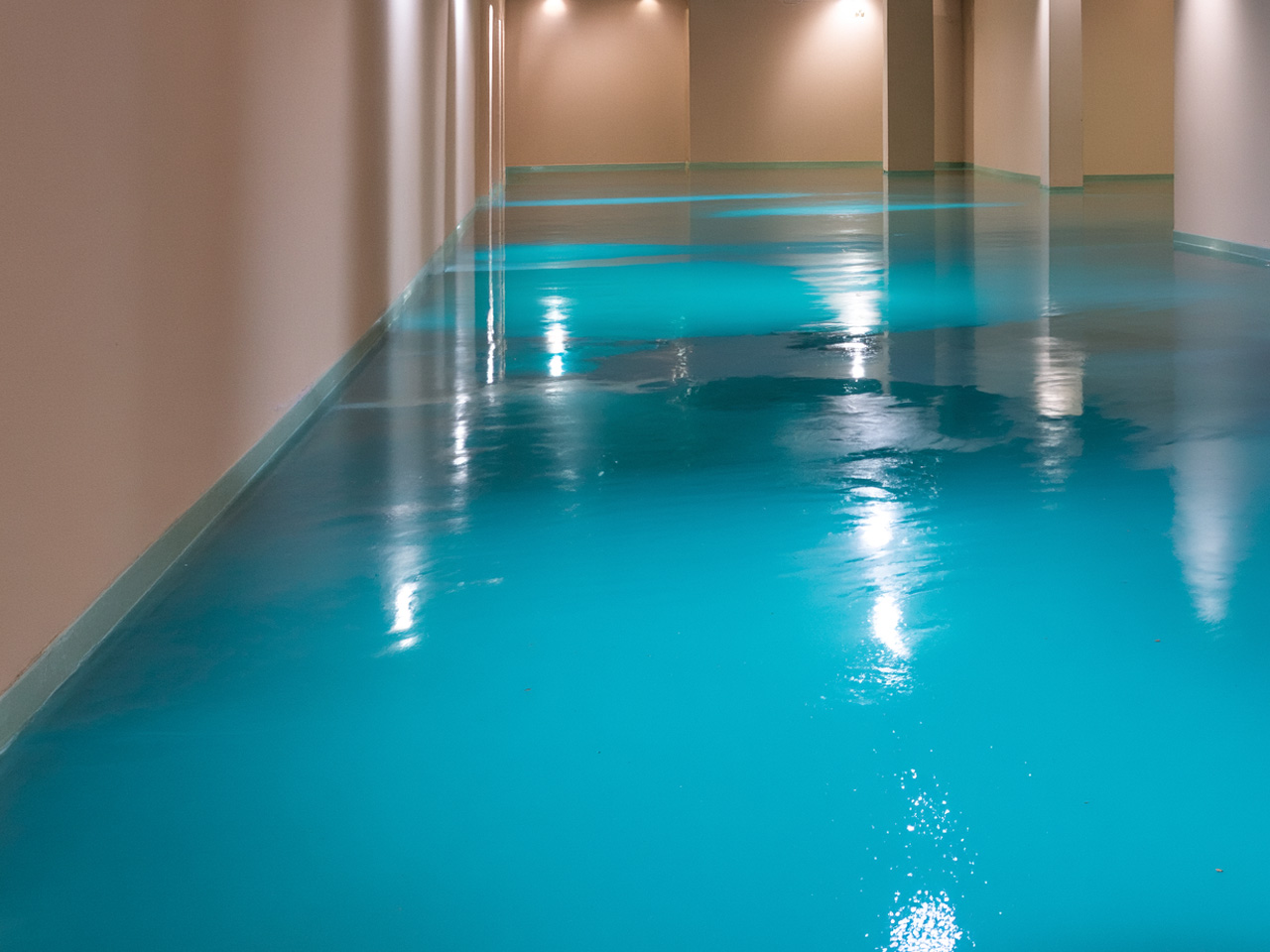
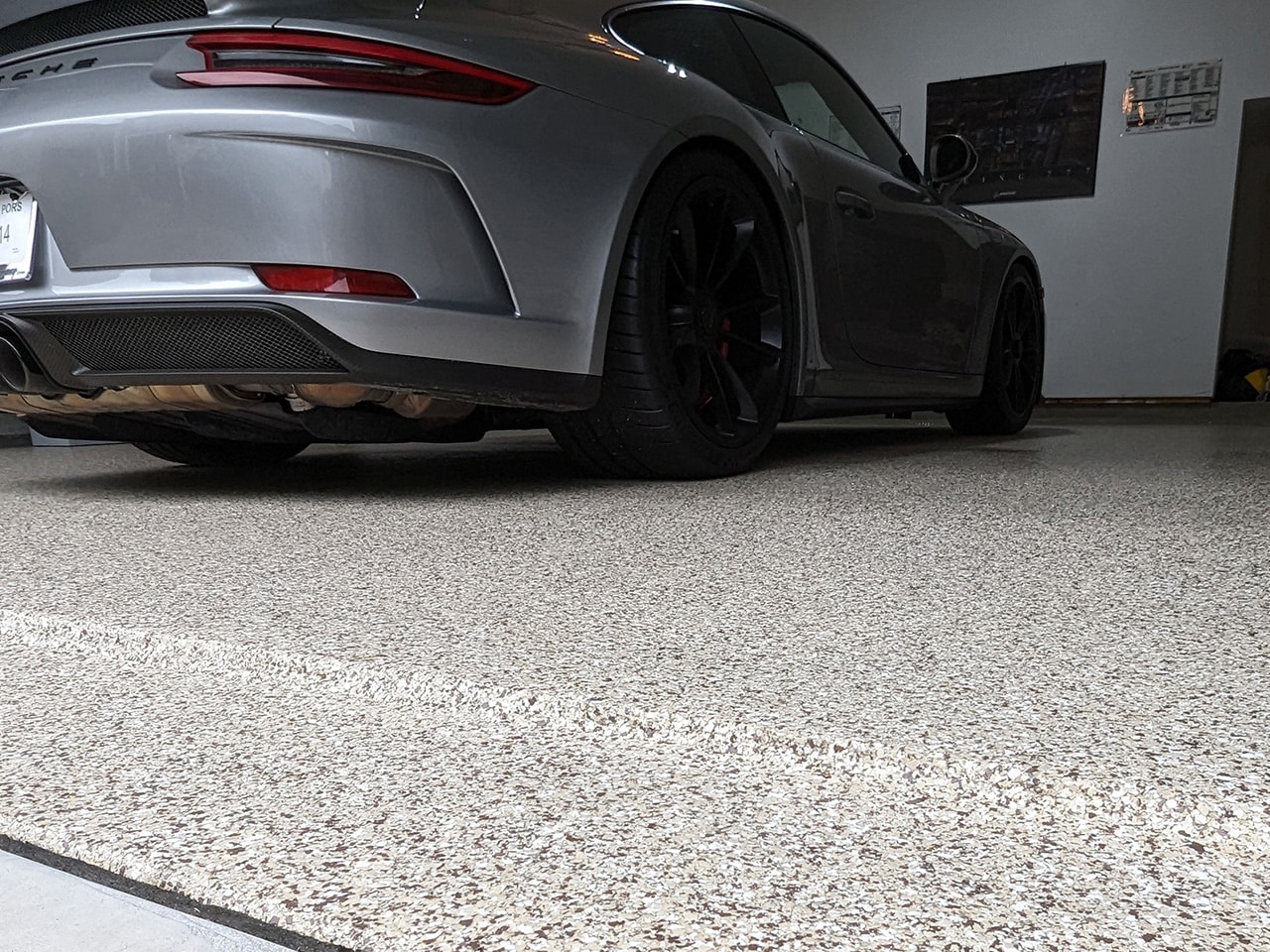
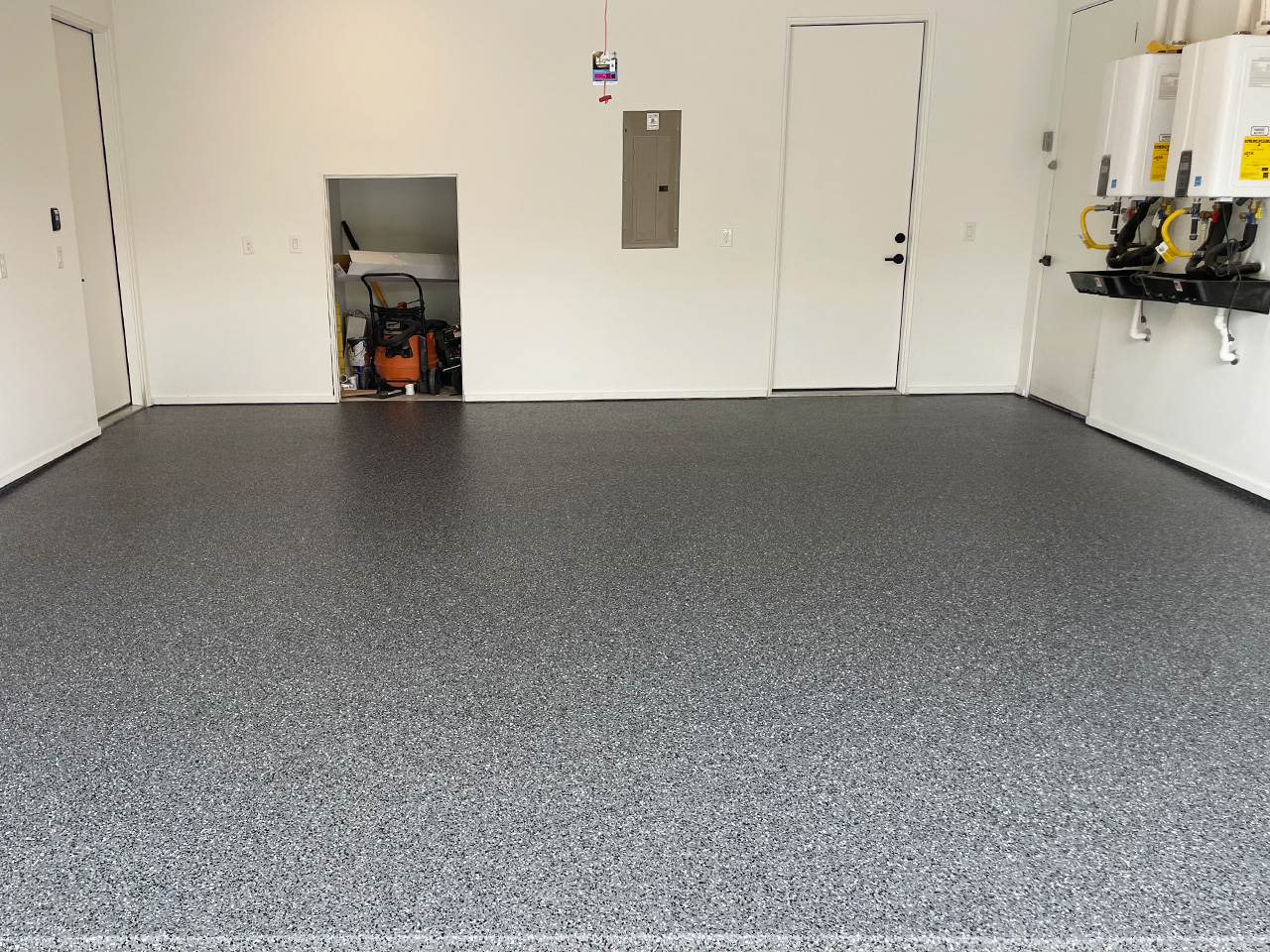
Imagine stepping into your garage to find a sleek, glossy floor that not only looks like it belongs in a high-end car showroom but also promises durability and ease of maintenance. This dream can quickly turn into reality with epoxy flooring — a popular choice for homeowners looking to upgrade their garage floors. However, the path to achieving that perfect, mirror-like finish is fraught with potential pitfalls. The difference between a flawless finish and a floor filled with blemishes often lies in the details of application and preparation.
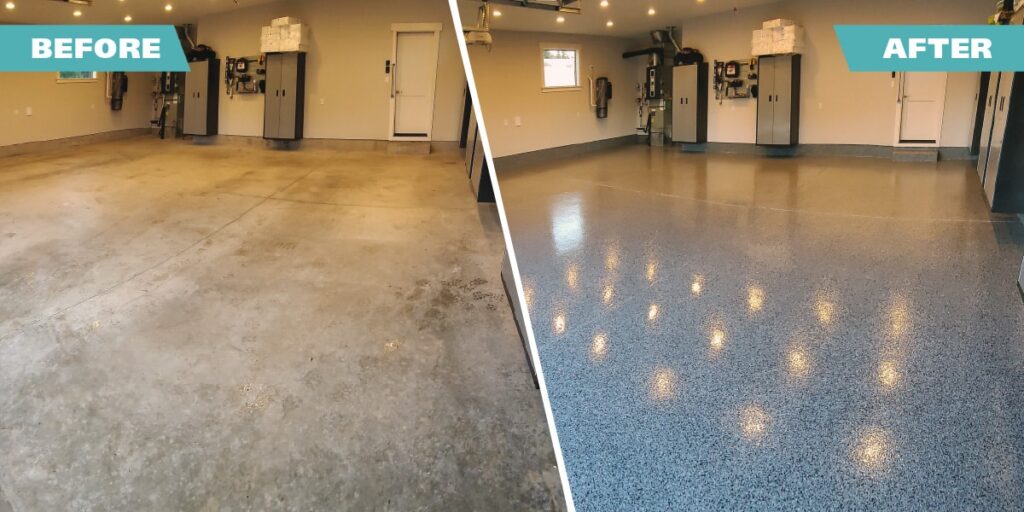
Garage Floor Epoxy: Common Mistakes and How to Avoid Them
Insufficient Floor Preparation
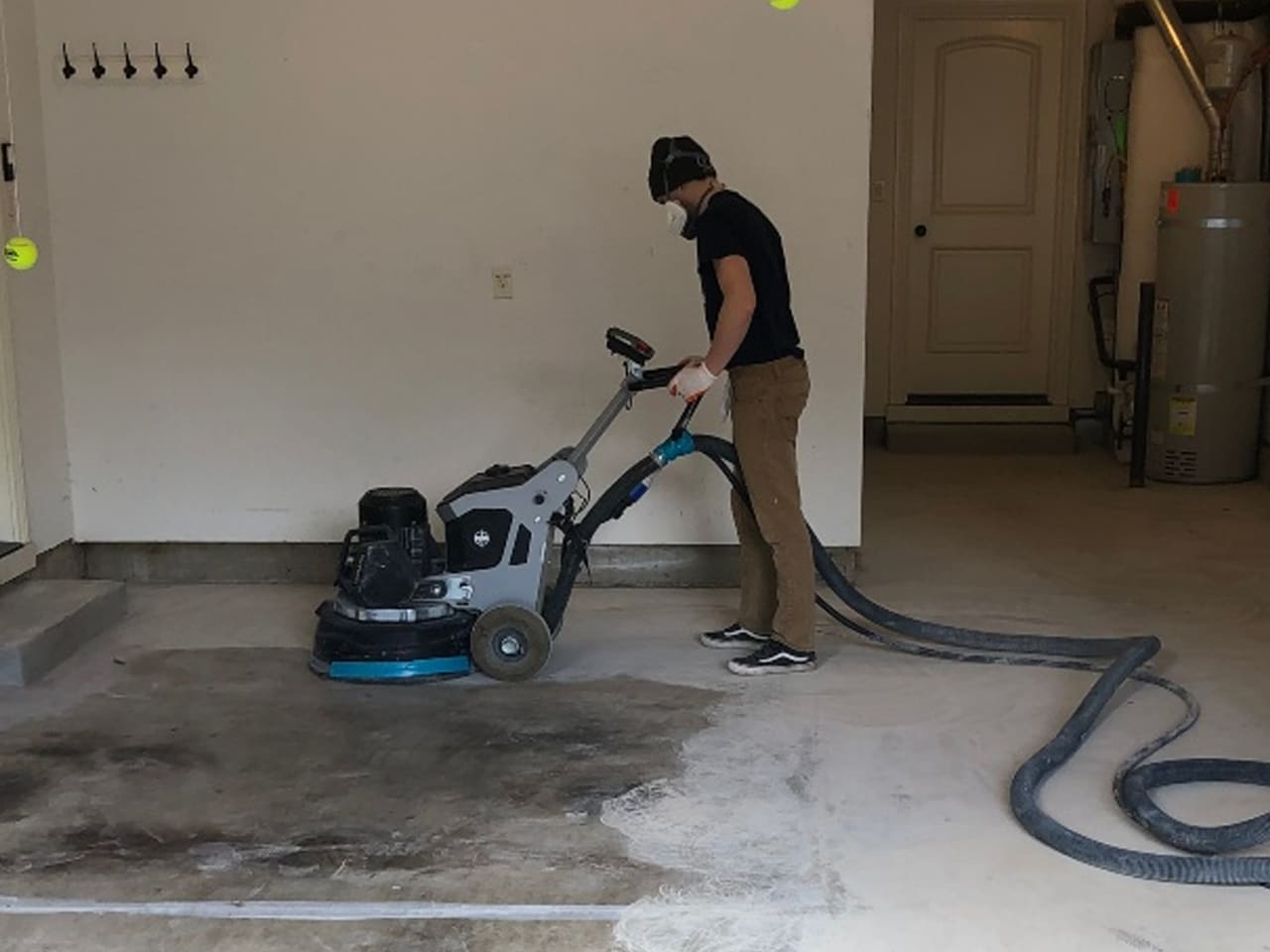
Insufficient floor preparation is a critical stumbling block in the journey to achieving a flawless epoxy garage floor. The allure of transforming a drab concrete surface into a glossy, durable floor often leads homeowners to underestimate the importance of proper groundwork. This oversight can result in a host of issues, including peeling, flaking, and an overall disappointing finish. The key to a successful epoxy application lies in meticulous cleaning, repairing cracks or damage, and ensuring the concrete is thoroughly primed to bond with the epoxy. Skipping these steps can compromise the integrity of the floor coating, leading to premature wear and the need for costly repairs.
The consequences of inadequate surface preparation extend beyond aesthetic flaws. Without establishing a solid foundation, the epoxy coating fails to adhere properly, reducing its lifespan and effectiveness. This can render the garage floor susceptible to moisture damage, stains, and reduced resistance to wear and tear. To avoid these pitfalls, investing time and effort in preparing the concrete surface is essential.
Proper preparation not only enhances the durability and appearance of the epoxy coating but also maximizes investment by ensuring the floor remains in excellent condition for years to come.
Ignoring Moisture Tests
Ignoring moisture tests before applying epoxy to a garage floor is a critical oversight that can lead to a multitude of problems, undermining the durability and appearance of the floor. Moisture present in concrete can cause the epoxy coating to fail to adhere properly, resulting in peeling, blistering, and the development of unsightly blemishes. This common mistake not only compromises the structural integrity of the flooring but also diminishes its aesthetic appeal. The consequences of bypassing this crucial step are not only immediate but can also escalate over time, necessitating costly repairs and reapplication of the coating.
Conducting a moisture test is essential in identifying potential issues that could jeopardize the success of the epoxy application. It provides valuable insights into the concrete’s condition, ensuring it is ready to form a strong bond with the epoxy.
Failure to perform this test risks trapping moisture beneath the surface, which can lead to mold growth and further damage the concrete substrate. By acknowledging the importance of moisture testing, homeowners can safeguard their investment and enjoy a stunning, resilient garage floor for years to come.
Choosing the Wrong Type of Epoxy
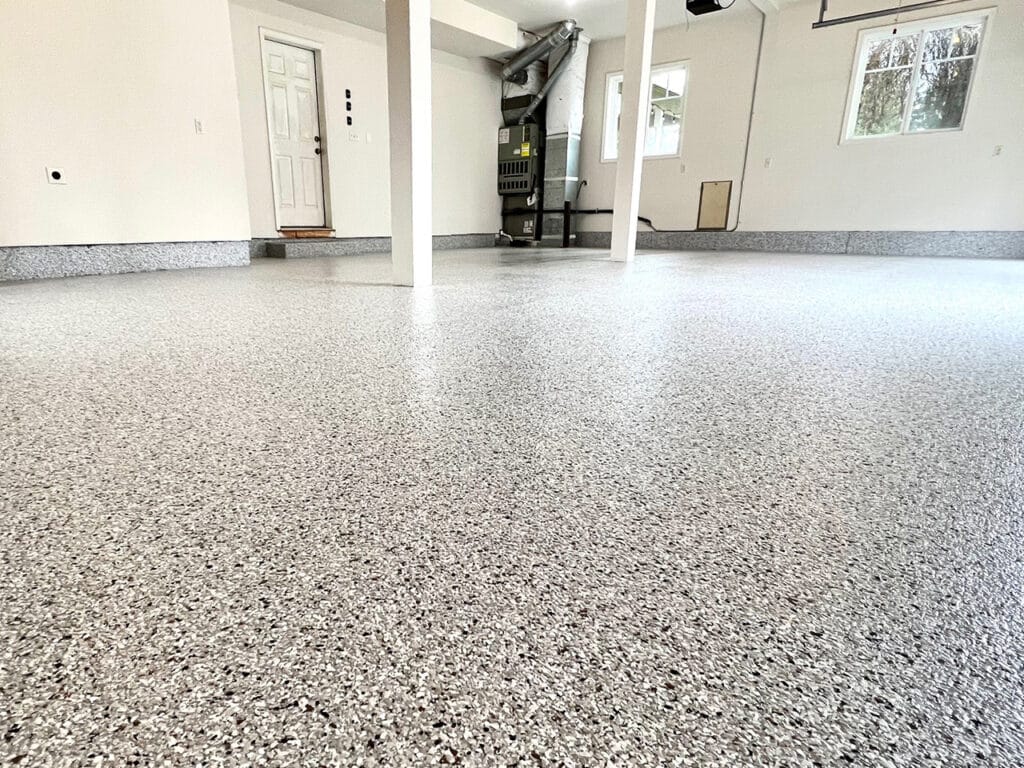
Choosing the wrong type of epoxy for a garage floor can lead to a plethora of unforeseen issues, significantly affecting the longevity and appearance of the floor. Each type of epoxy coating serves a specific purpose, tailored to different environmental conditions and usage demands. For instance, some epoxies are designed for industrial spaces with heavy machinery, while others are better suited for residential garages with lighter foot traffic. Selecting an epoxy that doesn’t match the specific requirements of your space can result in a floor that wears out prematurely, peels, or even discolors, failing to protect the concrete substrate as intended.
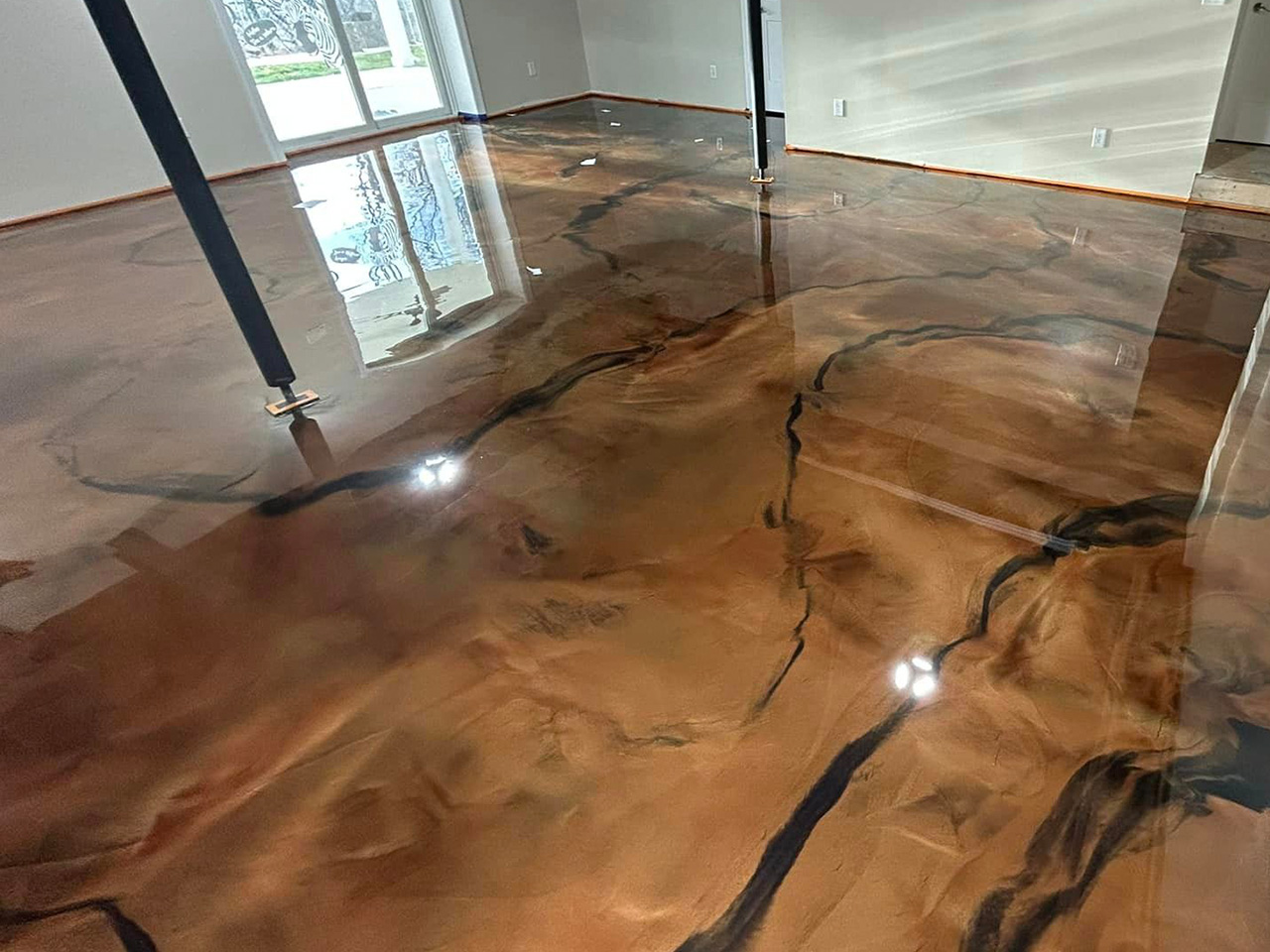
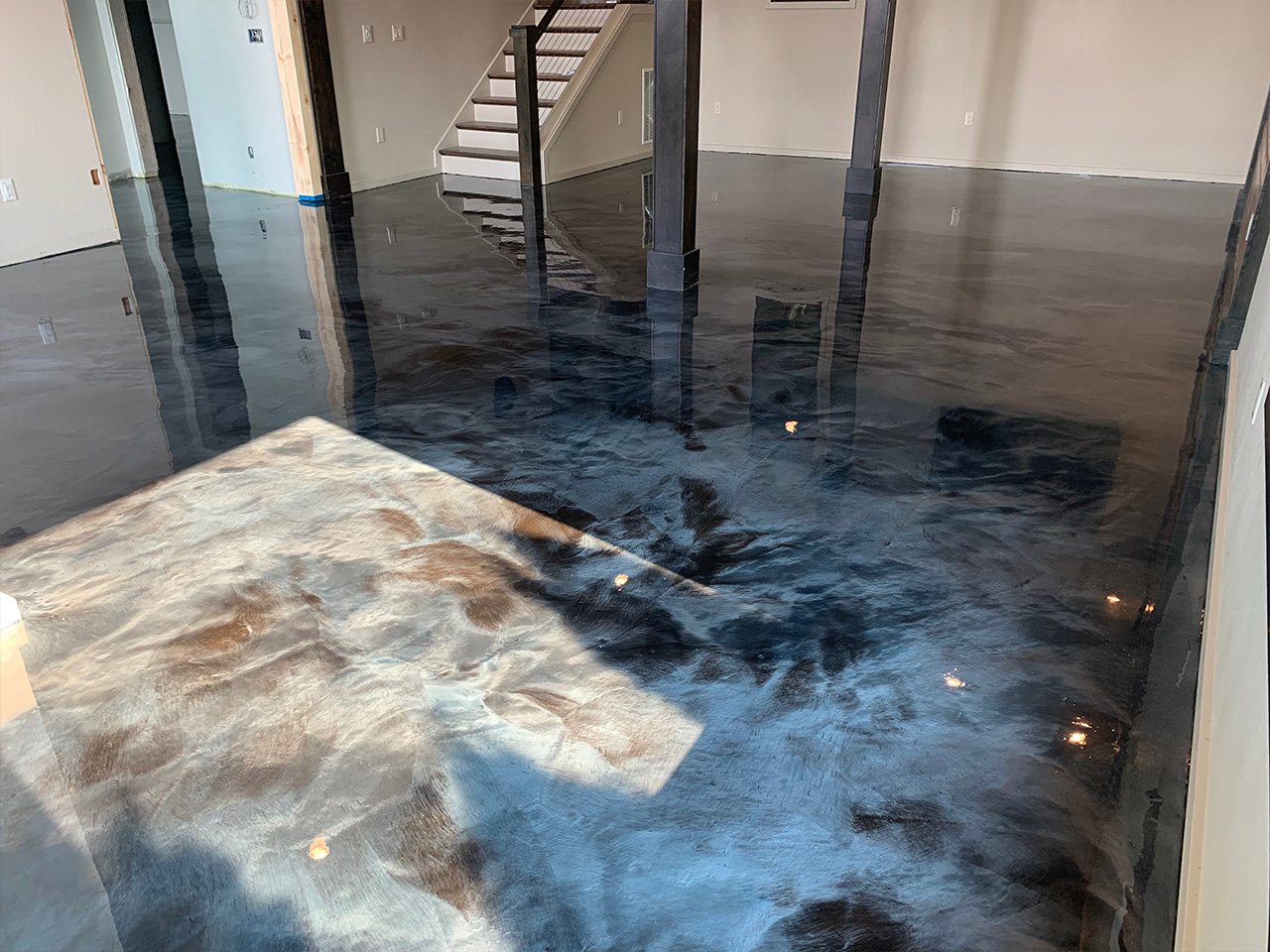
Furthermore, the aesthetic outcome of an incorrectly chosen epoxy can be far from what was envisioned. Epoxy coatings come in various finishes, including metallic, matte, and gloss, each capable of creating a distinct look and feel. Opting for a type that doesn’t align with the desired aesthetic can leave homeowners dissatisfied with their garage’s appearance. Additionally, certain epoxies offer enhanced resistance to chemicals and stains, features that might be crucial depending on the activities performed in the garage. Therefore, understanding the specific attributes of each epoxy type is essential to making an informed decision that ensures both the functional and visual expectations are met.
Applying Epoxy in Inappropriate Conditions
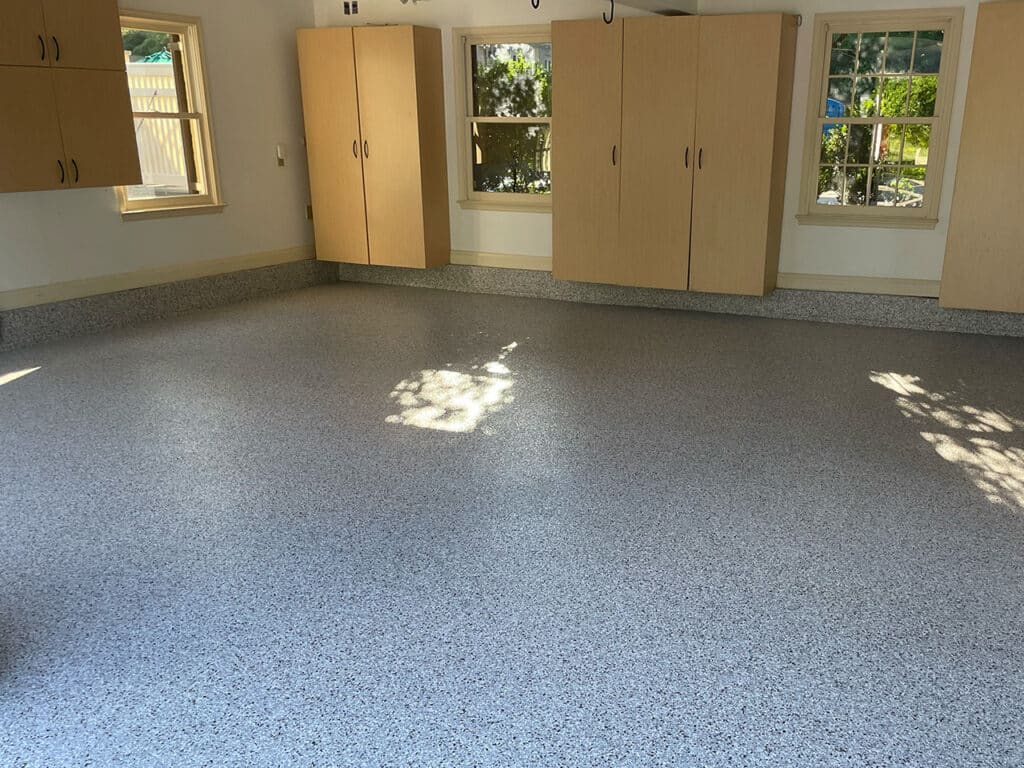
Applying epoxy in inappropriate conditions is a common pitfall that can significantly undermine the effectiveness and durability of garage floor coatings. Environmental factors such as temperature, humidity, and direct sunlight play crucial roles in the curing process of epoxy. When applied in conditions that are too hot, too cold, or excessively humid, the epoxy may not set correctly, leading to issues like bubbling, peeling, or uneven curing. These adverse effects not only detract from the visual appeal of the floor but also compromise its structural integrity, making it less resistant to wear and tear, stains, and moisture.
Moreover, ignoring the recommended environmental conditions for epoxy application can result in a prolonged curing time, delaying the usability of the garage space. In extreme cases, improper curing could necessitate a complete redo of the flooring, incurring additional time and costs. It’s essential to heed the specific temperature and humidity guidelines for epoxy application to ensure optimal adhesion and finish. By doing so, homeowners can achieve a smooth, durable, and aesthetically pleasing garage floor that stands the test of time, irrespective of the challenges posed by their local climate.
Incorrect Mixing
Incorrect mixing of garage floor epoxy is a prevalent issue that can severely affect the outcome and durability of the floor coating. The process of combining the resin and hardener at an incorrect speed or ratio introduces air bubbles and may result in an uneven or incomplete chemical reaction. This mishap compromises the structural integrity of the epoxy layer, leading to issues such as surface imperfections, reduced strength, and a lack of resistance to wear and tear. An improperly mixed epoxy can also take longer to cure or may not fully cure at all, leaving the floor sticky and vulnerable to damage from traffic and spills.
Moreover, the aesthetic appeal of the garage floor can be significantly diminished by incorrect mixing. The presence of air bubbles and uneven curing can create a visually unappealing surface that fails to reflect the smooth, glossy finish typically desired from an epoxy coating. Additionally, an incorrect ratio of components can alter the final color or texture of the floor, deviating from the expected outcome. Ensuring precise mixing according to the manufacturer’s instructions is crucial for achieving a durable and attractive epoxy garage floor that meets both functional and aesthetic expectations.
Overlooking the Importance of a Top Coat
Overlooking the importance of a top coat in garage floor epoxy applications can significantly diminish the durability and longevity of the flooring. A top coat acts as a protective barrier, shielding the epoxy base from wear, abrasions, and chemical spills that are common in garage environments. Without this additional layer, the underlying epoxy is more susceptible to scratches, fading, and peeling, which not only undermines the functional aspect of the floor but also its aesthetic appeal. The top coat also contributes to the thickness of the floor coating, providing an extra level of strength that helps to preserve the floor’s integrity over time.
Furthermore, the absence of a top coat compromises the ease of maintenance and cleanliness of the garage floor. A smooth top coat facilitates easier cleaning by creating a seamless surface that repels dust, dirt, and liquids, preventing them from penetrating and staining the epoxy base. This seamless finish also enhances the floor’s appearance, giving it a glossy or matte look that can elevate the overall look of the garage. By neglecting to apply a top coat, homeowners miss out on these critical benefits, ultimately affecting the performance and visual quality of their garage flooring.

Conclusion
Epoxy flooring can transform your garage into a beautiful, functional space, but the journey is laden with potential missteps. By understanding and avoiding these common mistakes, you can ensure a smooth application process, resulting in a floor that not only meets but exceeds your expectations. Remember, the devil is in the details, and paying attention to these critical aspects can make all the difference in achieving that flawless, durable finish you desire. So, gear up, take note, and embark on your epoxy flooring project with confidence and the knowledge to do it right. Don’t skip any step and create your perfect garage with epoxy flooring today!