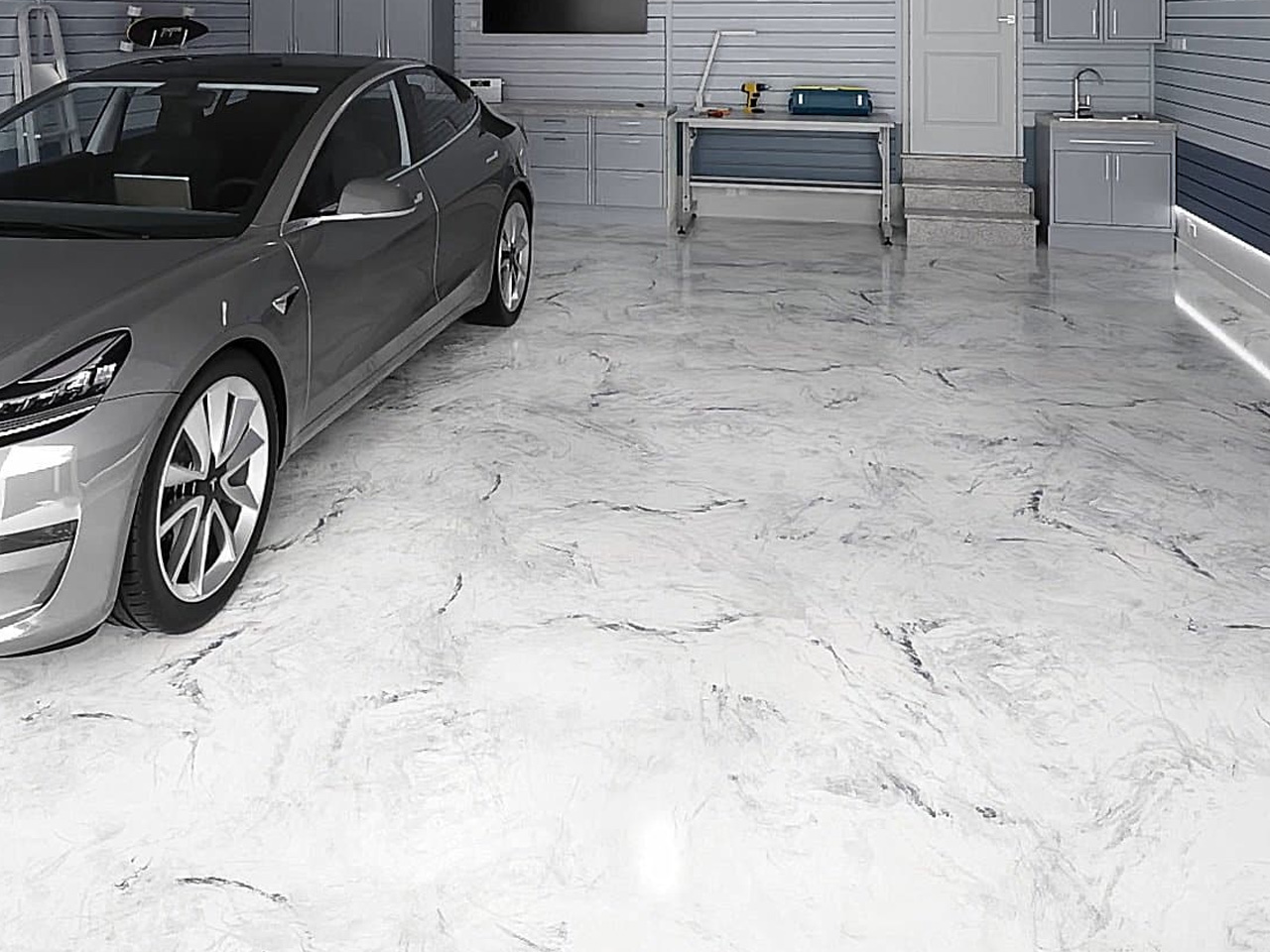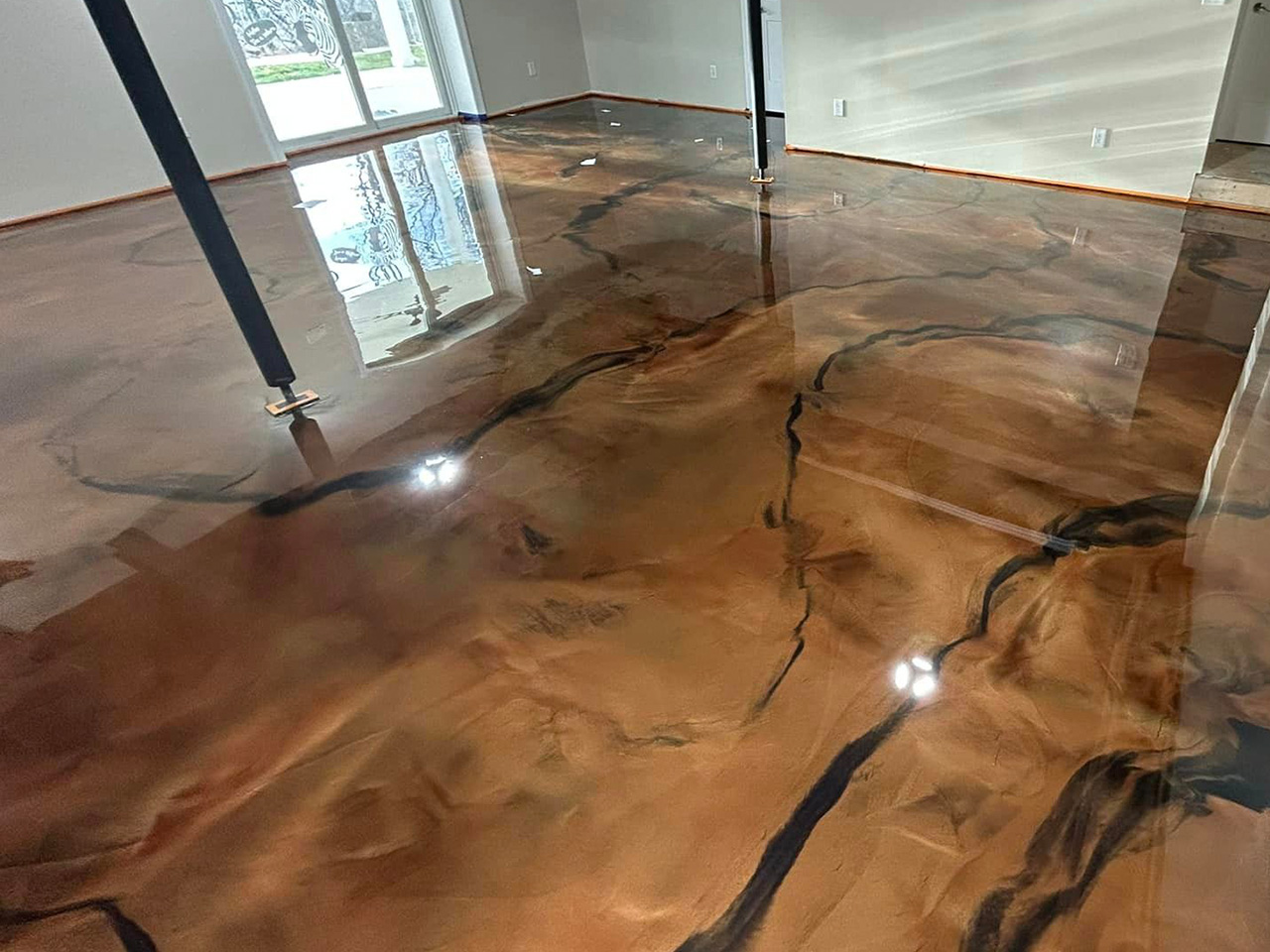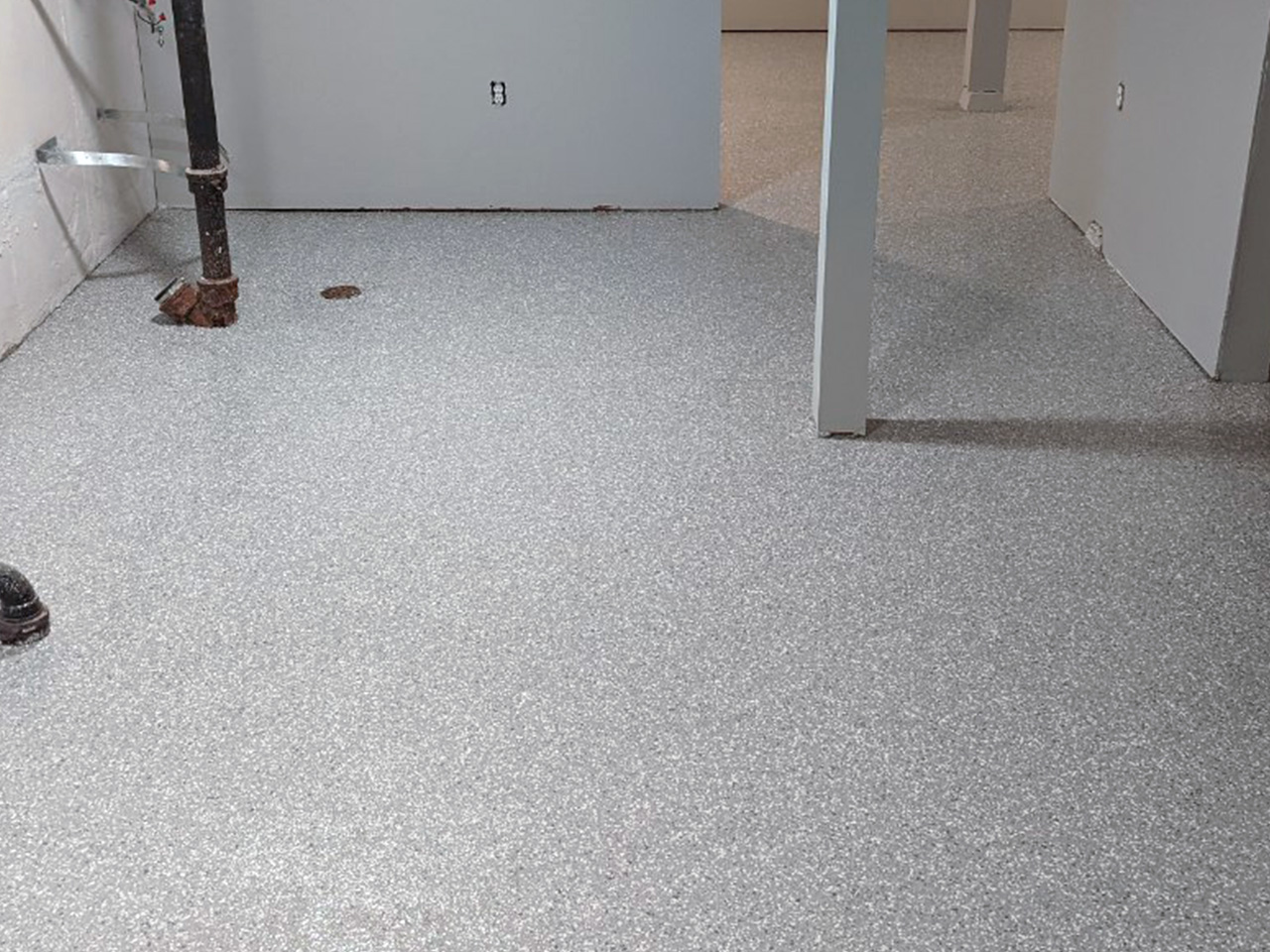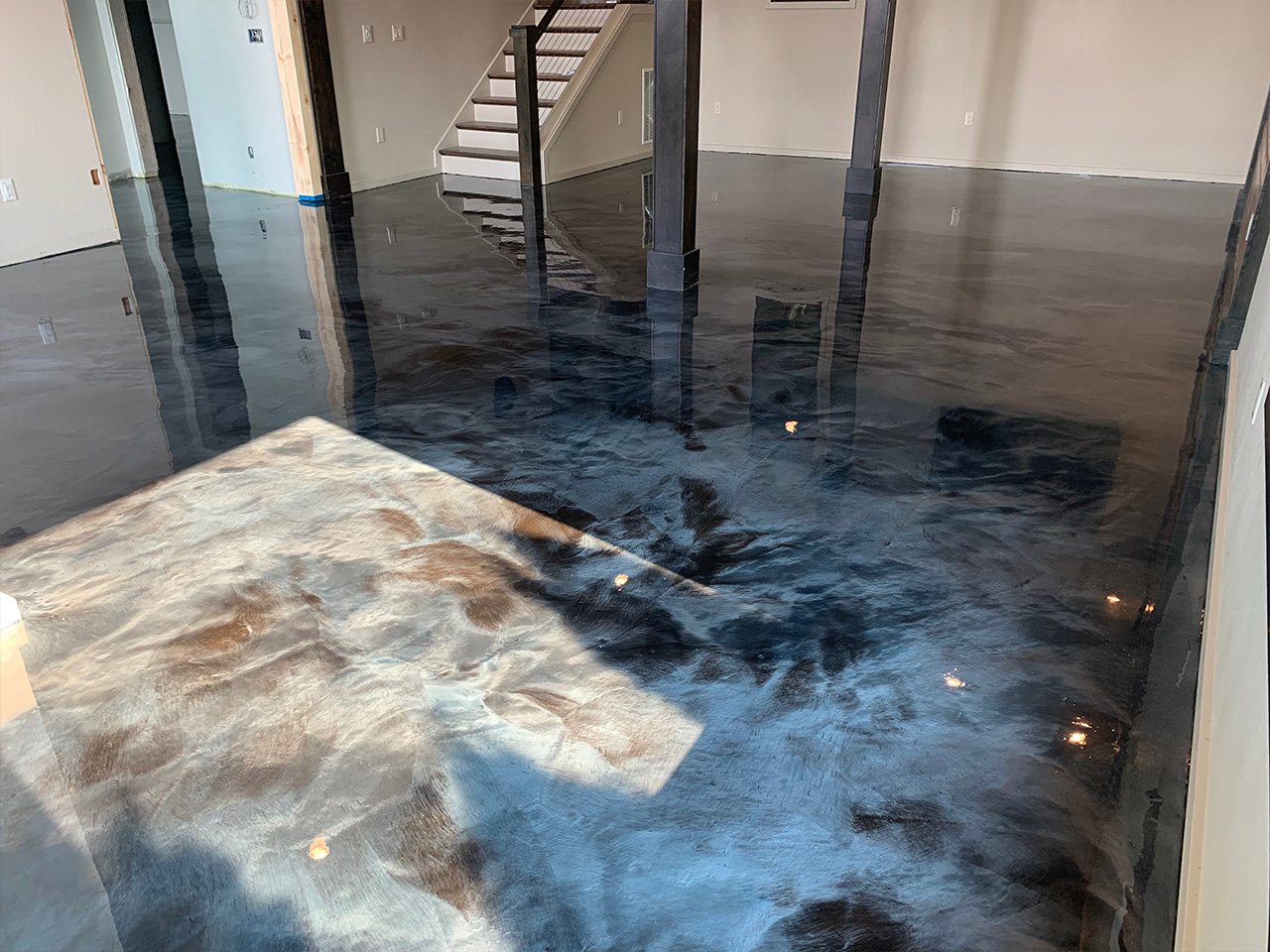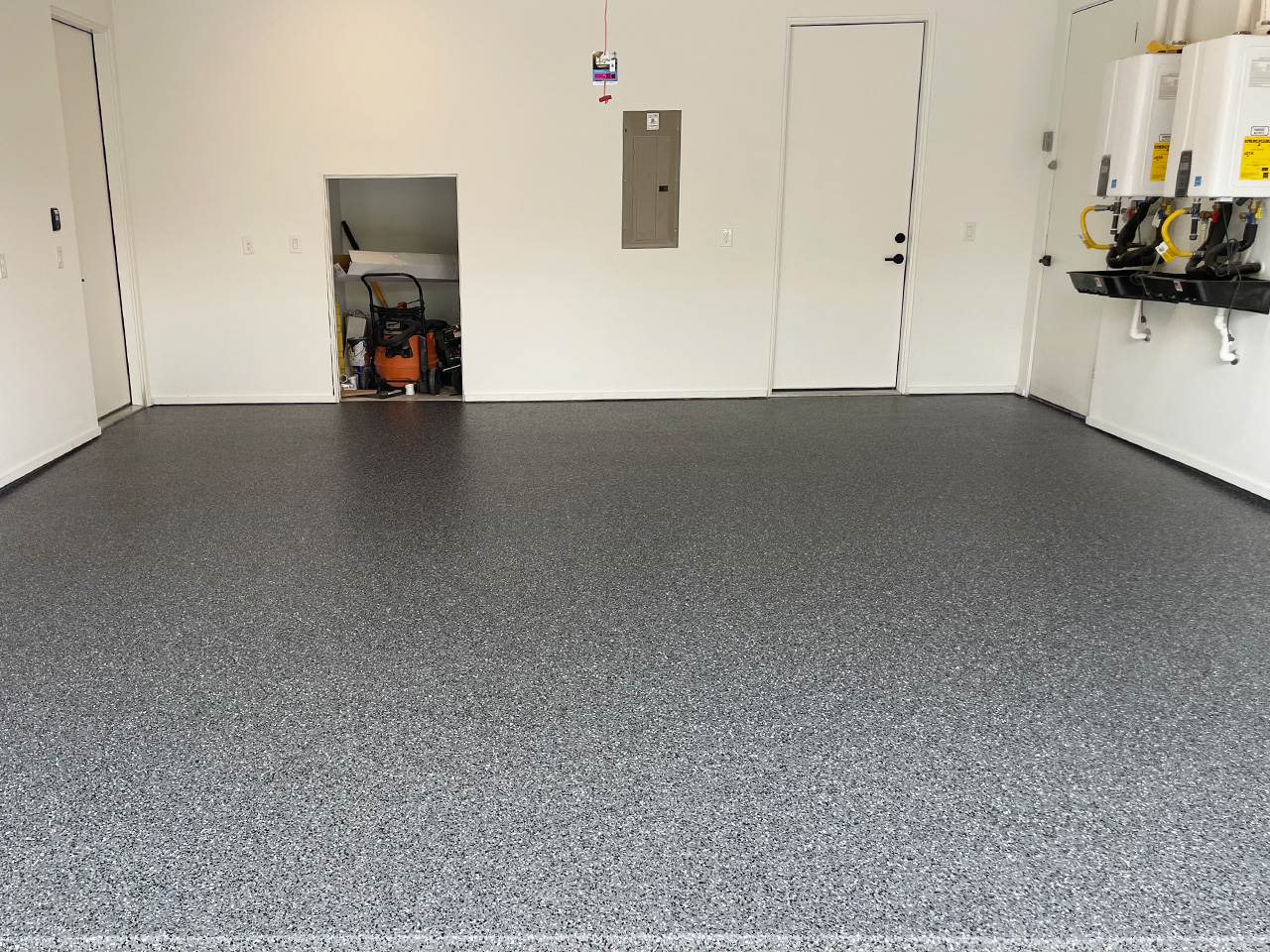

Residential epoxy flooring is one of the most popular and versatile solutions for homeowners looking to protect and beautify their concrete surfaces. From garages and basements to workshops and utility areas, epoxy coatings provide a durable, low-maintenance, and visually appealing floor. With advances in coating technology, homeowners now also have options like polyaspartic flooring that offer faster curing times and UV stability.
What Is Residential Epoxy Flooring?
Common applications include:
- Garages
- Showrooms
- Warehouses
- Commercial and Industrial Facilities
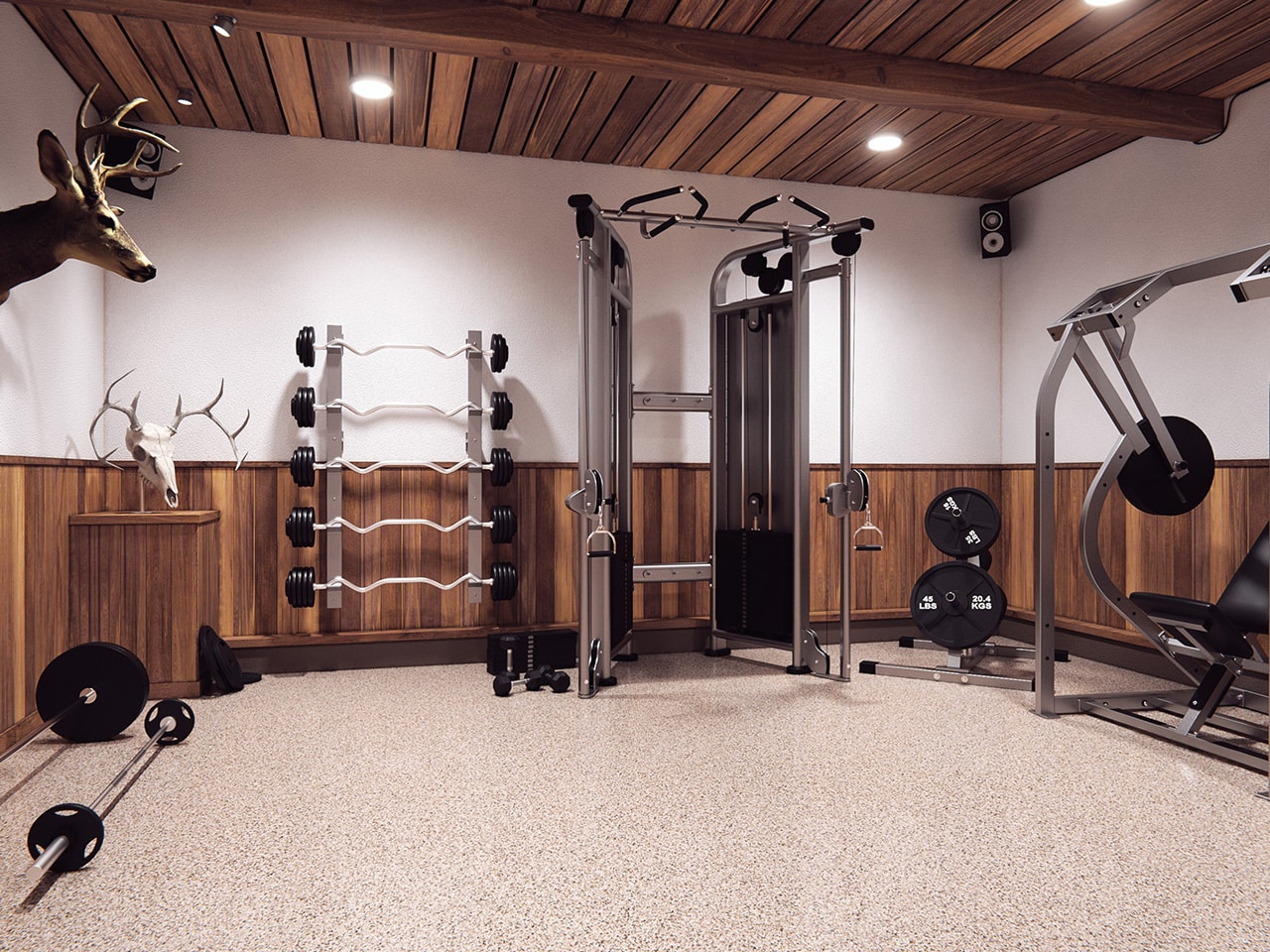
- Basements and Utility Area
What Is Residential Epoxy Flooring?
1. Durability and Protection
2. Low Maintenance
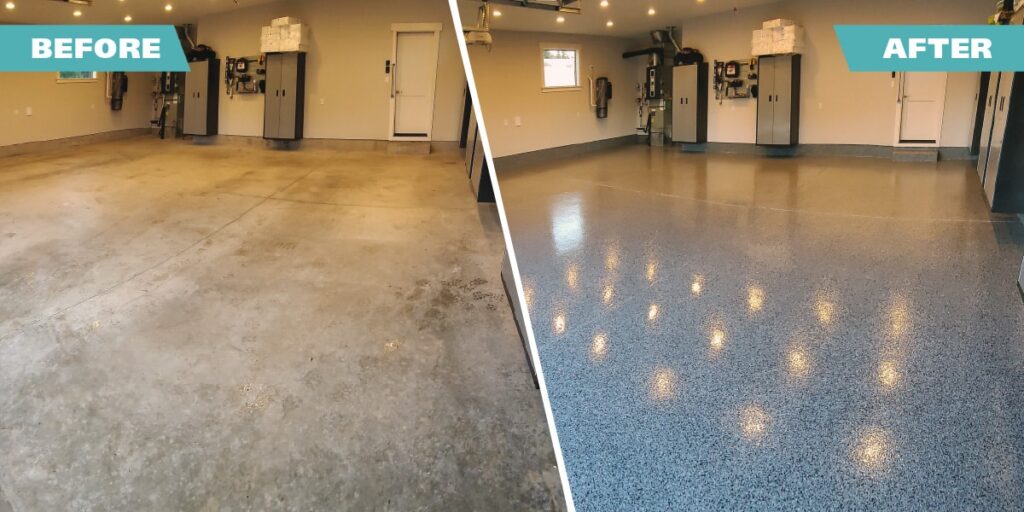
3. Customizable Appearance
- Solid Colors
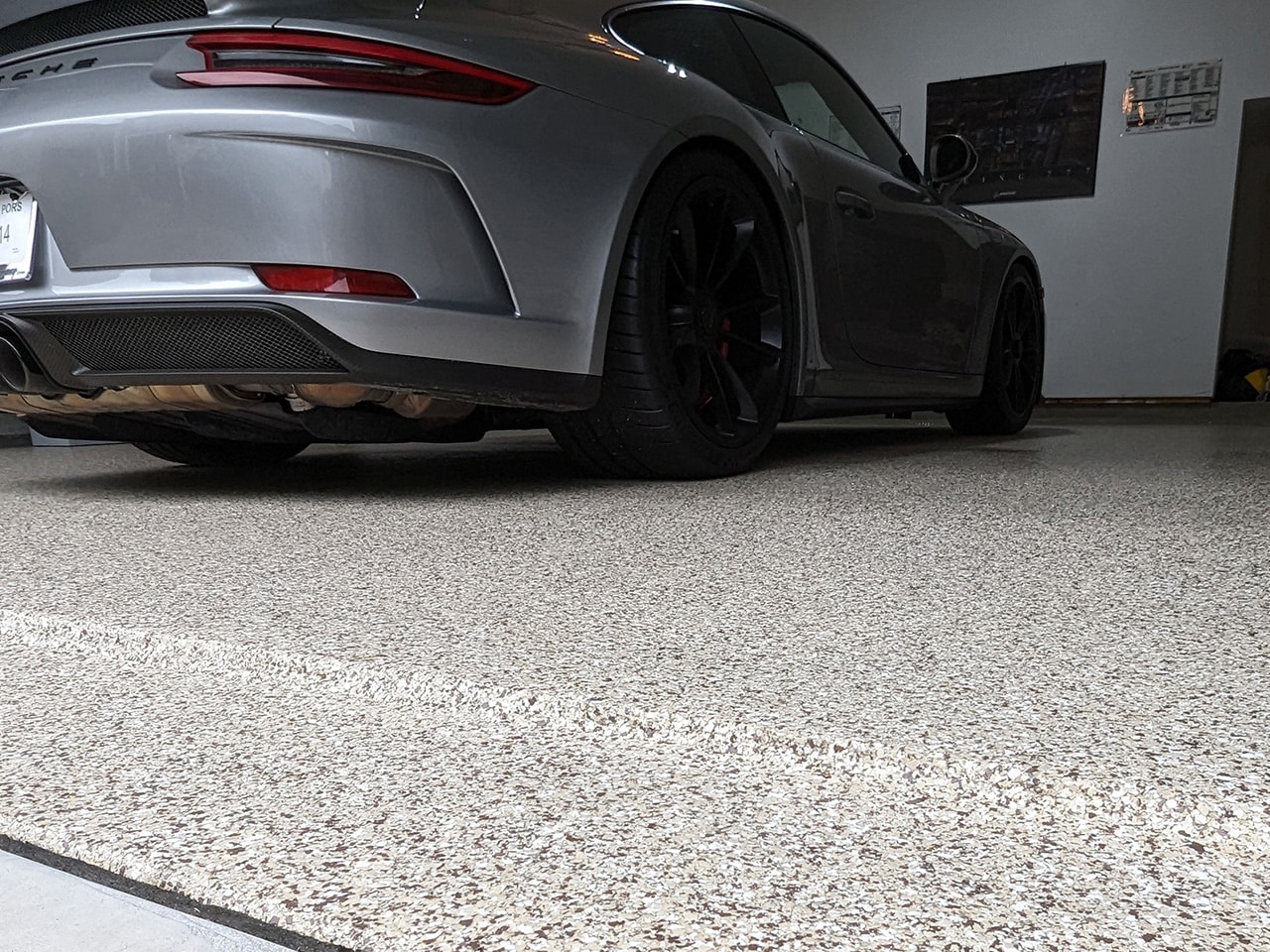
- Decorative Flake Systems
- Metallic Finishes
- Custom Patterns or Logos
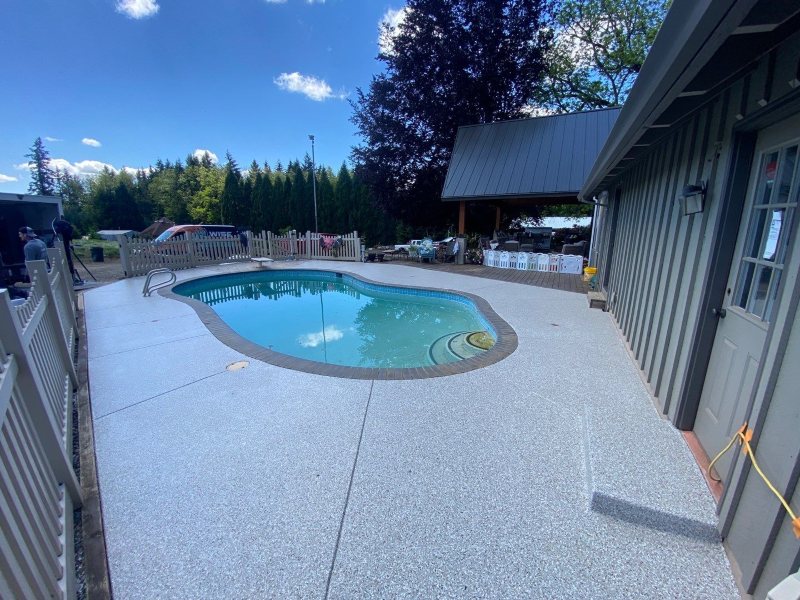
4. Long-Term Value
Installation Process
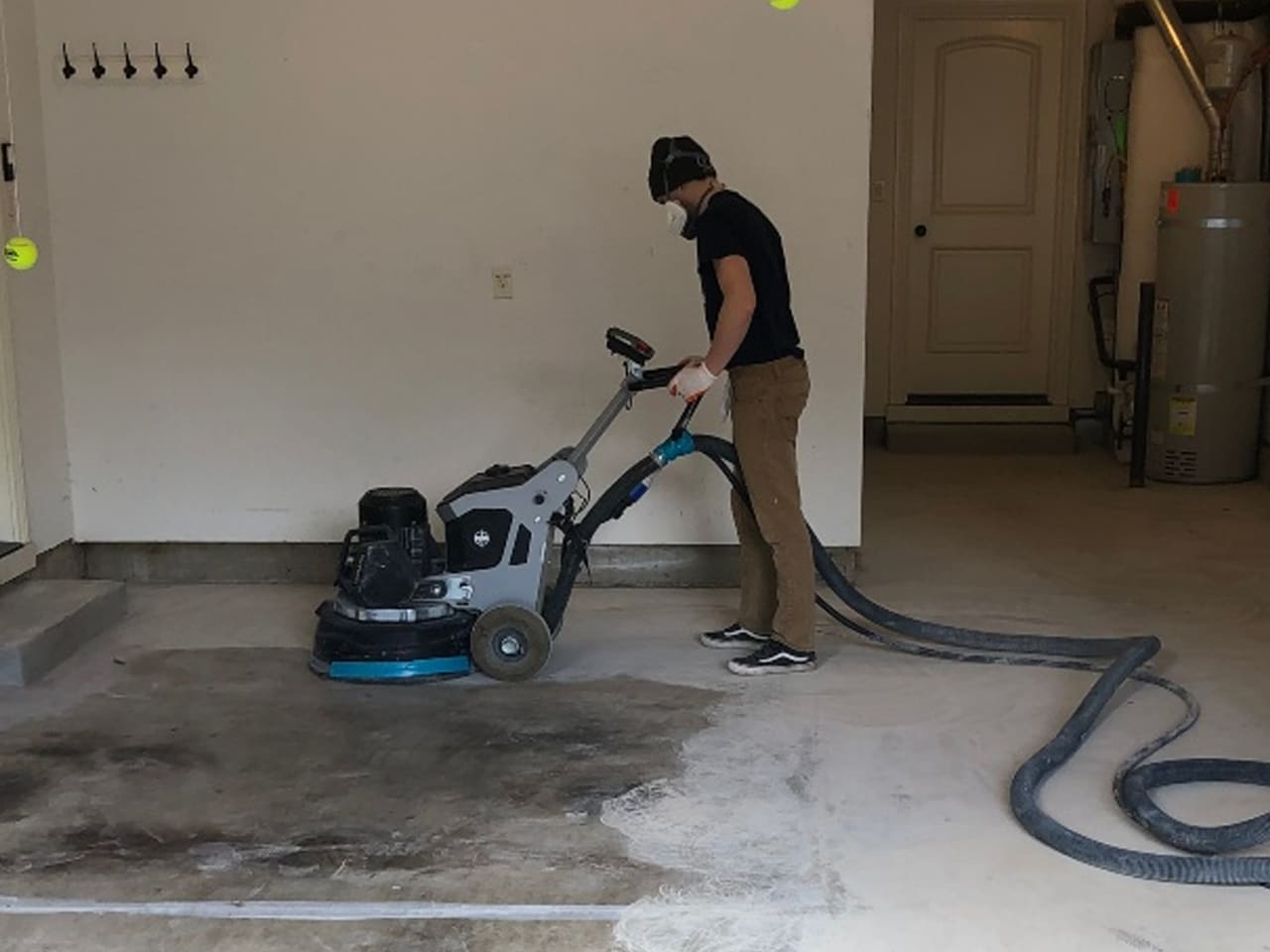
- Surface Preparation – Cleaning, repairing cracks, and sometimes grinding or etching the concrete.
- Priming – Applying a primer to enhance adhesion (optional depending on concrete condition).
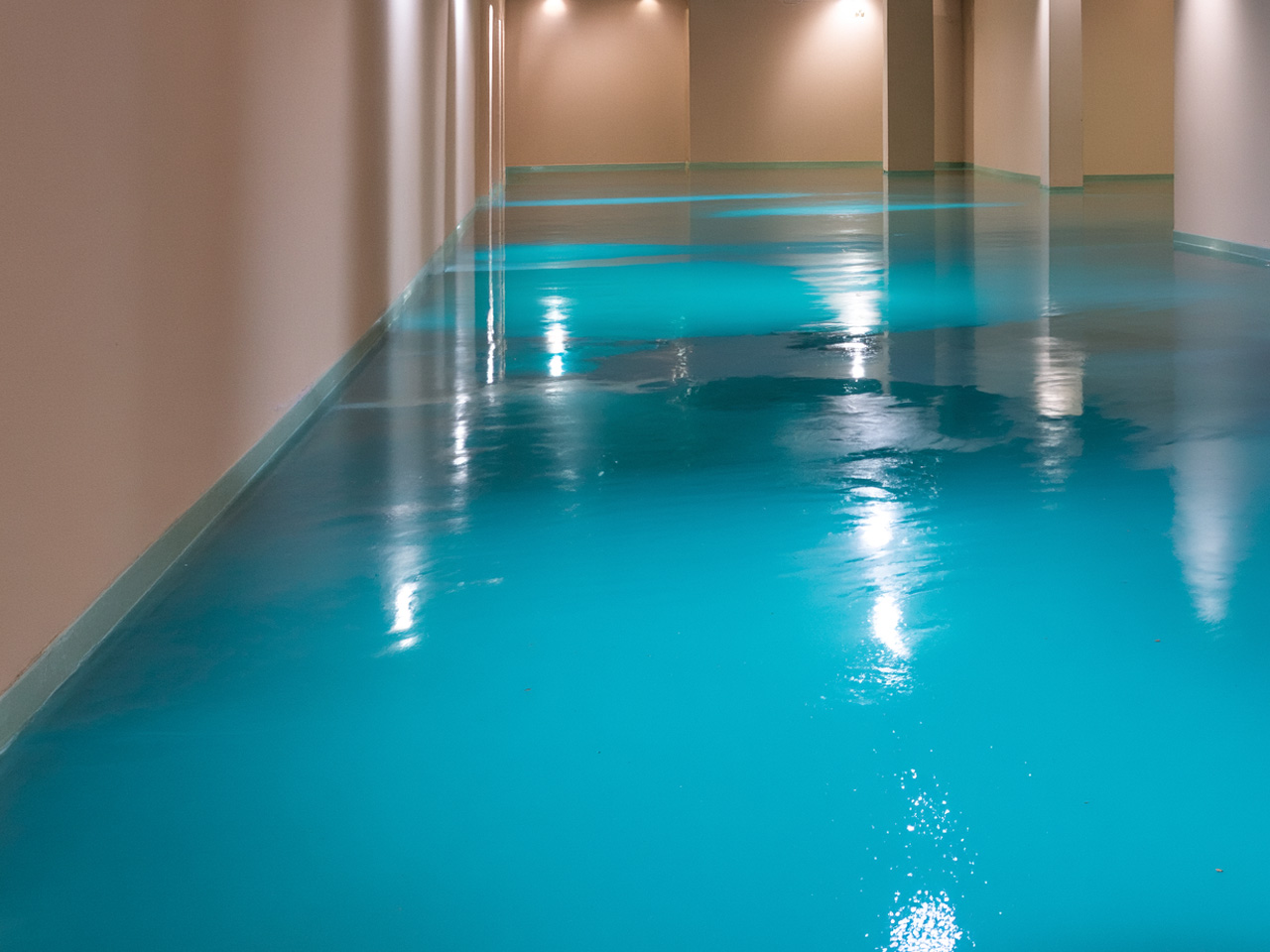
- Epoxy Application – Mixing and spreading the epoxy resin evenly across the surface.
- Decorative Layer (Optional) – Adding flakes, metallics, or other decorative elements.
- Topcoat – Applying a clear protective layer to increase durability and gloss.
- Curing – Allowing the floor to fully cure, usually over several days.

Polyaspartic vs. Epoxy
Cure Time
Polyaspartic Flooring: Cures rapidly — often allowing full use within 24 hours.
UV Resistance
Polyaspartic Flooring: Naturally UV-stable, maintains color and gloss.
Durability
Polyaspartic Flooring: Strong and flexible, handles minor concrete movement.
Moisture Tolerance
Polyaspartic Flooring: More moisture-tolerant, making it ideal for garages, basements, and variable climates.
Appearance Options
Polyaspartic coatings are ideal for homeowners who need a fast installation, UV-stable surface, and durable performance, especially for garages or sunlit areas.Both systems offer decorative flakes, solid colors, and professional finishes. Polyaspartic coatings tend to maintain gloss and color longer in sun-exposed areas.
Maintenance Tips
- Sweep or vacuum regularly to remove dirt and debris.
- Mop with a mild cleaner for spills and stains.
- Avoid abrasive scrubbing pads to prevent surface scratching.
- Reapply a topcoat every few years to maintain gloss (optional for polyaspartic due to UV stability).
Cost Considerations
- Floor size and condition
- Type of coating (solid epoxy, water-based epoxy, polyaspartic)
- Decorative elements (flakes, metallics, logos)
- Labor and preparation costs
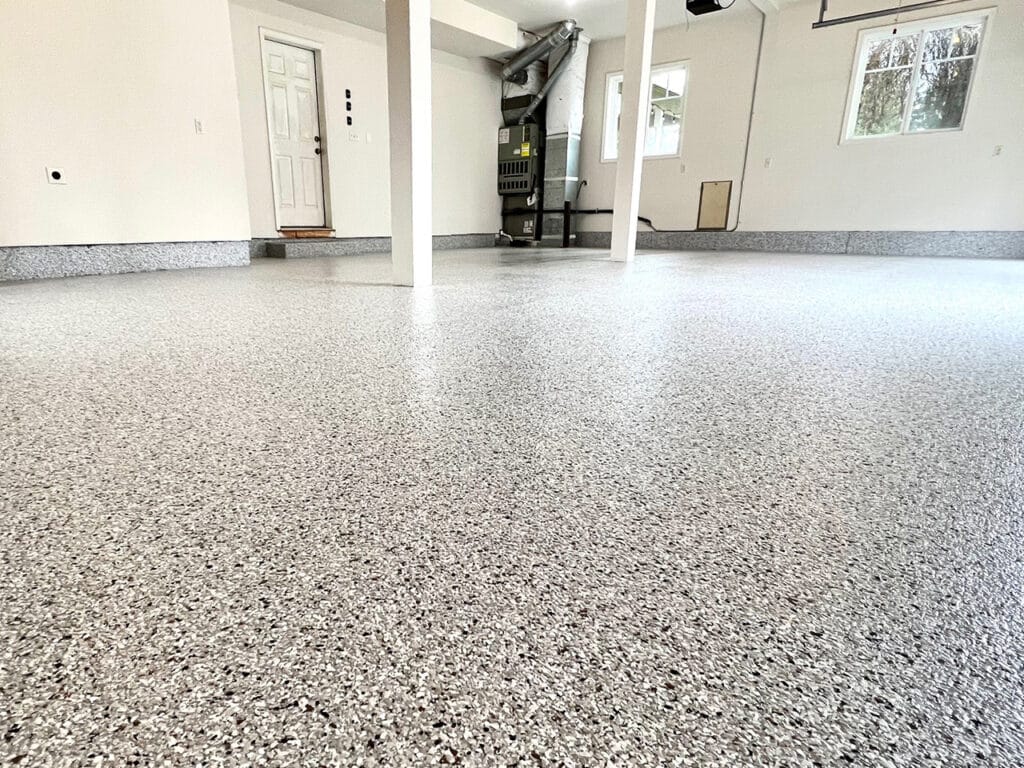
Residential epoxy flooring is a versatile, durable, and low-maintenance solution that can dramatically enhance the look and functionality of your home. By considering your specific needs, budget, and installation timeline, and exploring polyaspartic as a modern alternative, you can select the perfect flooring system for your garage, basement, or other concrete surfaces.