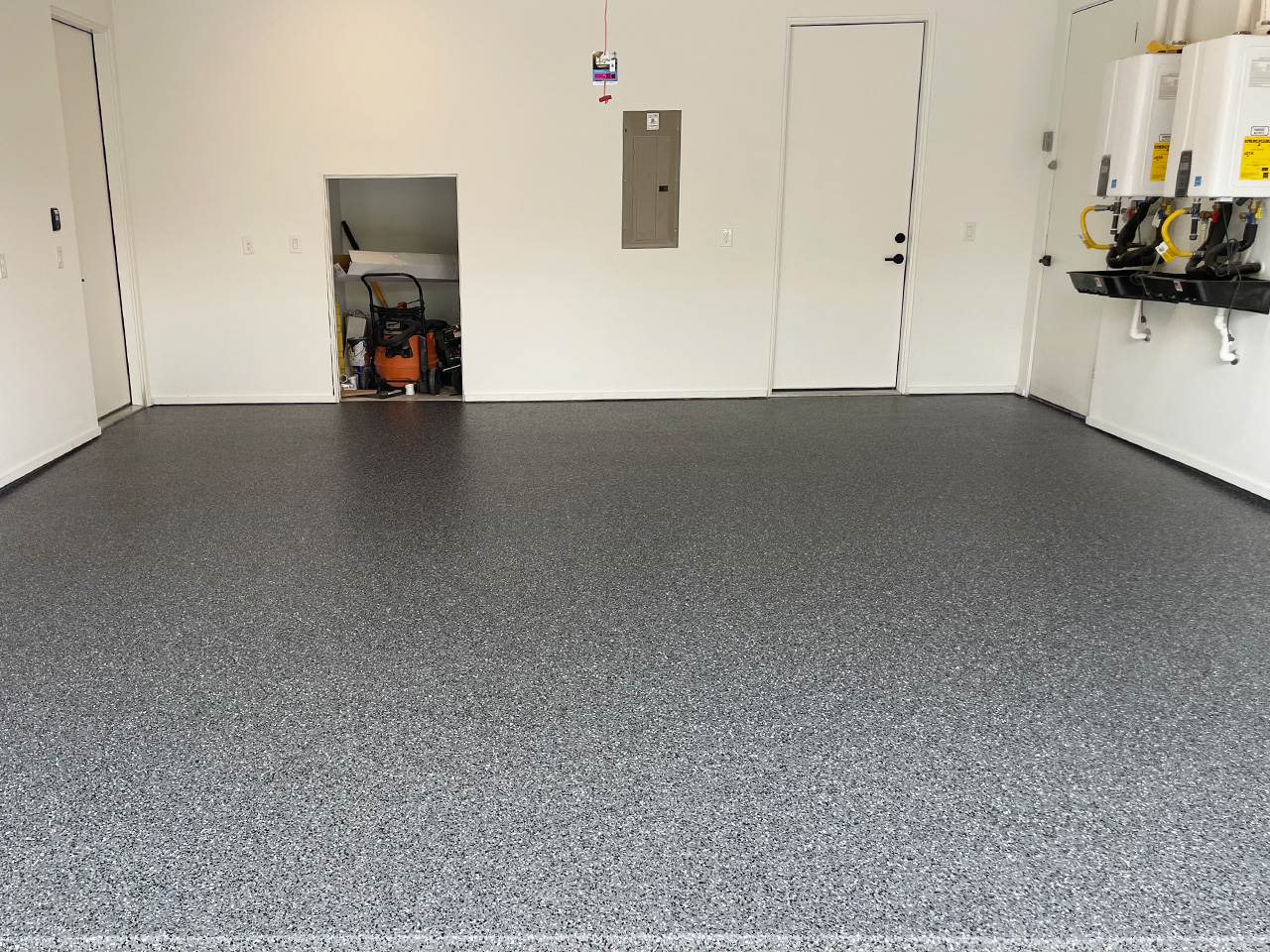

Epoxy Flooring: Costs, Options, and Budget-Friendly Choices
Epoxy Flooring: A Rising Trend in Residential and Commercial Spaces
Benefits of Epoxy Flooring
Durability
Epoxy floors are known for their long-lasting quality. They can withstand heavy traffic and resist wear, making them a practical choice for locations like garages, factories, restaurants, and hospitals.
Resistance
These floors are resistant to water, oil, heat, and various other chemicals, enhancing their lifespan and reliability.
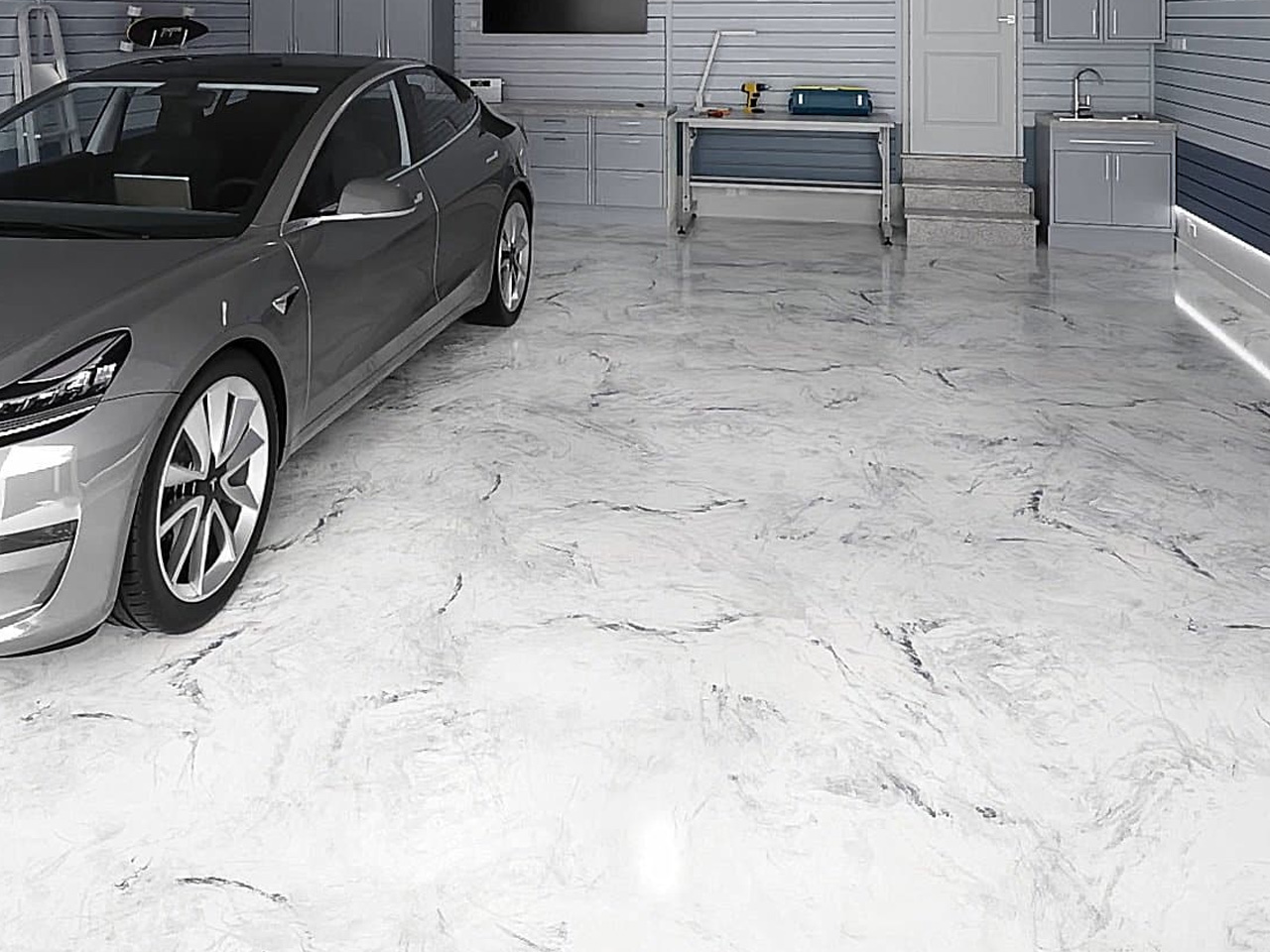
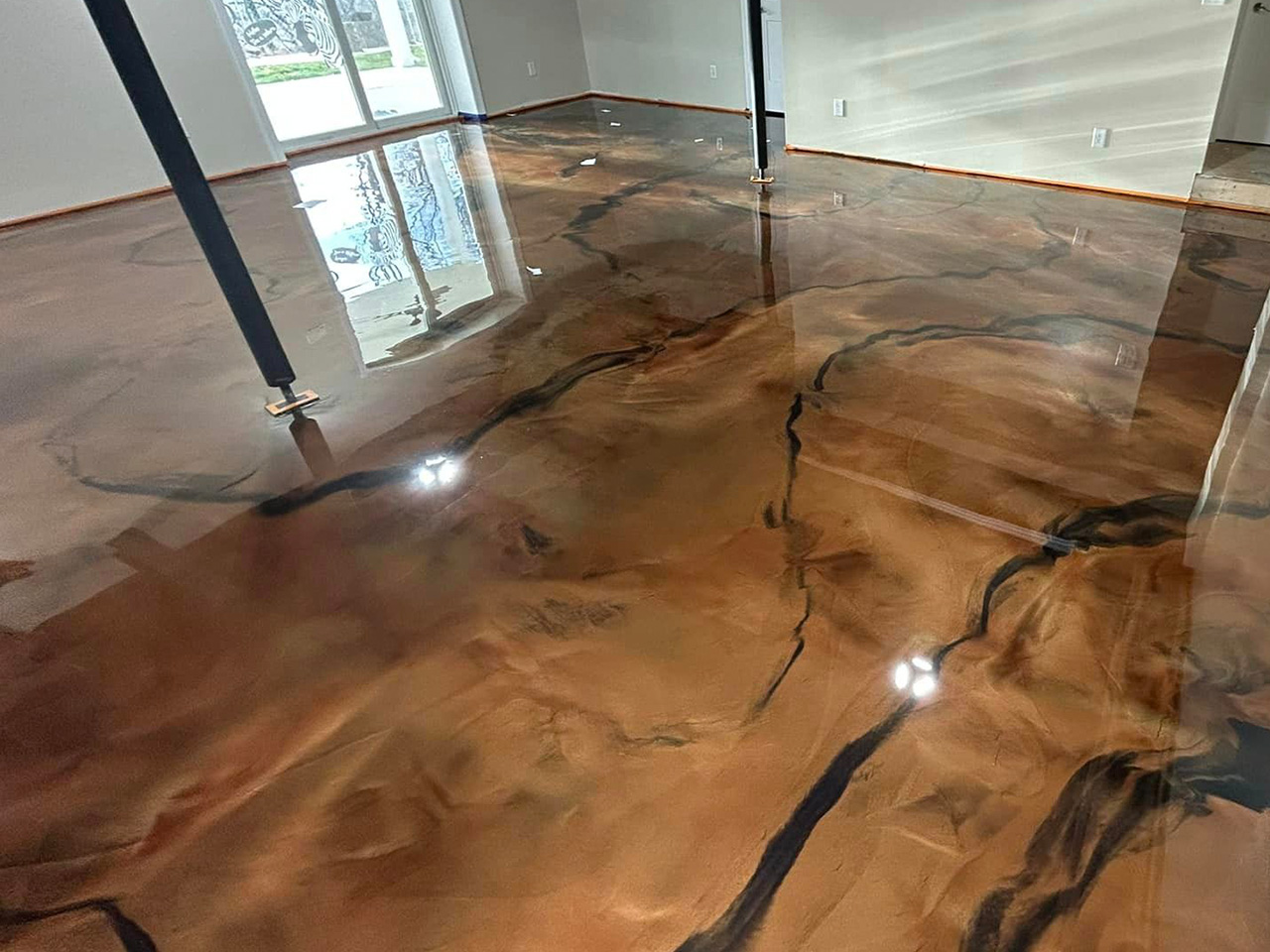
Variety
Easy Maintenance
Safety
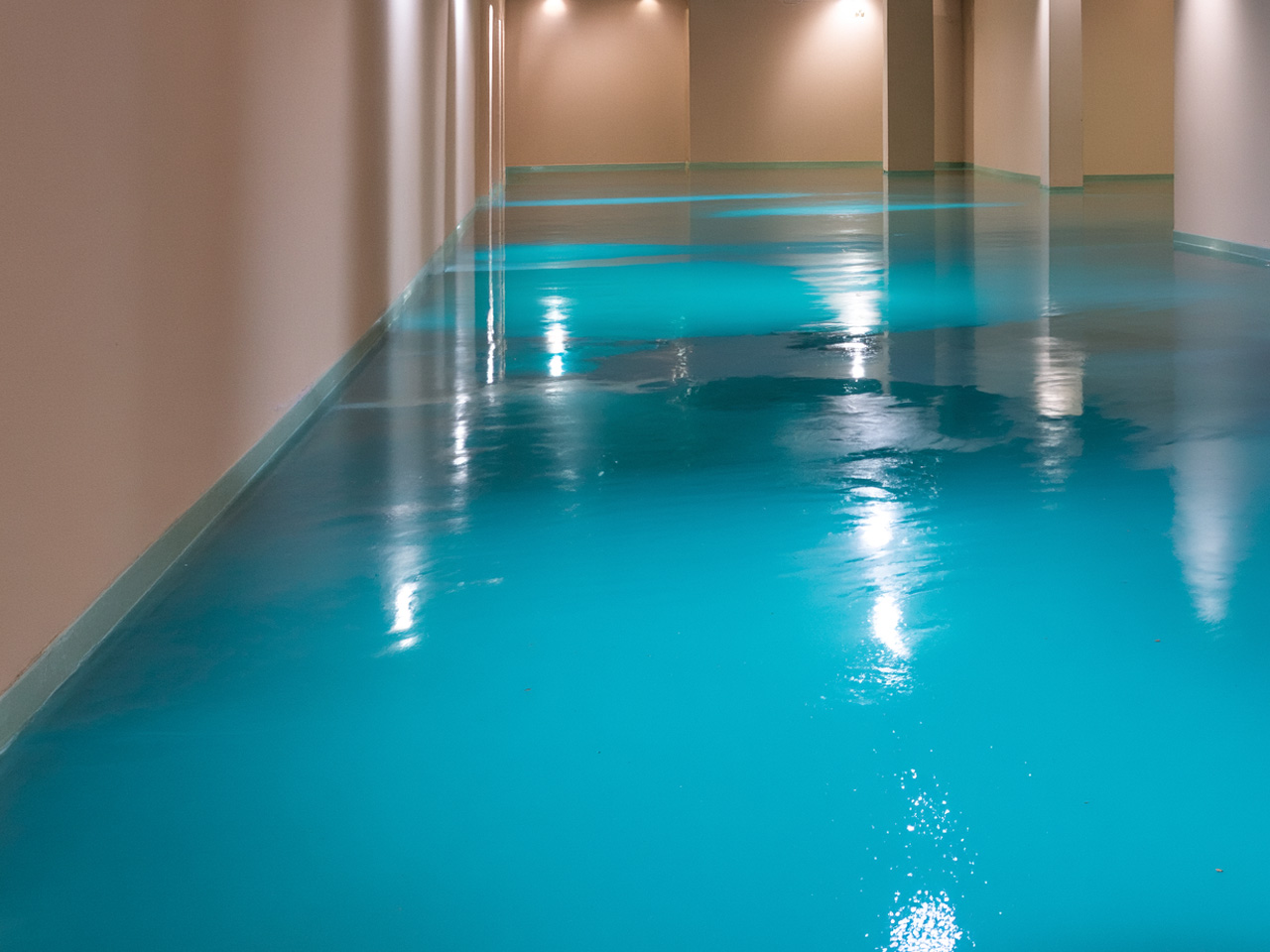
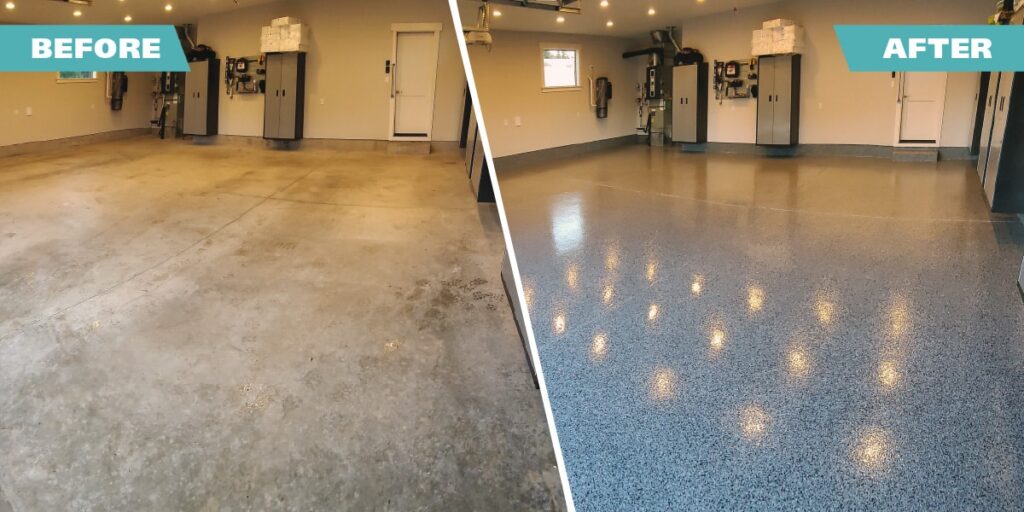
The glossy finish of epoxy flooring enhances lighting in a space, contributing to a safer environment. Furthermore, options with anti-slip additives increase the safety quotient, particularly in high-traffic areas.

Factors Affecting the Cost of Epoxy Flooring Installation
- Floor Condition: The existing condition of your floor can significantly impact the cost. A floor that is damaged or uneven may need additional preparation or repair before the epoxy can be applied, adding to the overall cost.
- Size of the Space: As with most home improvement projects, the size of the space being worked on will directly impact the cost. Larger spaces will require more material and labor, thus increasing the cost.
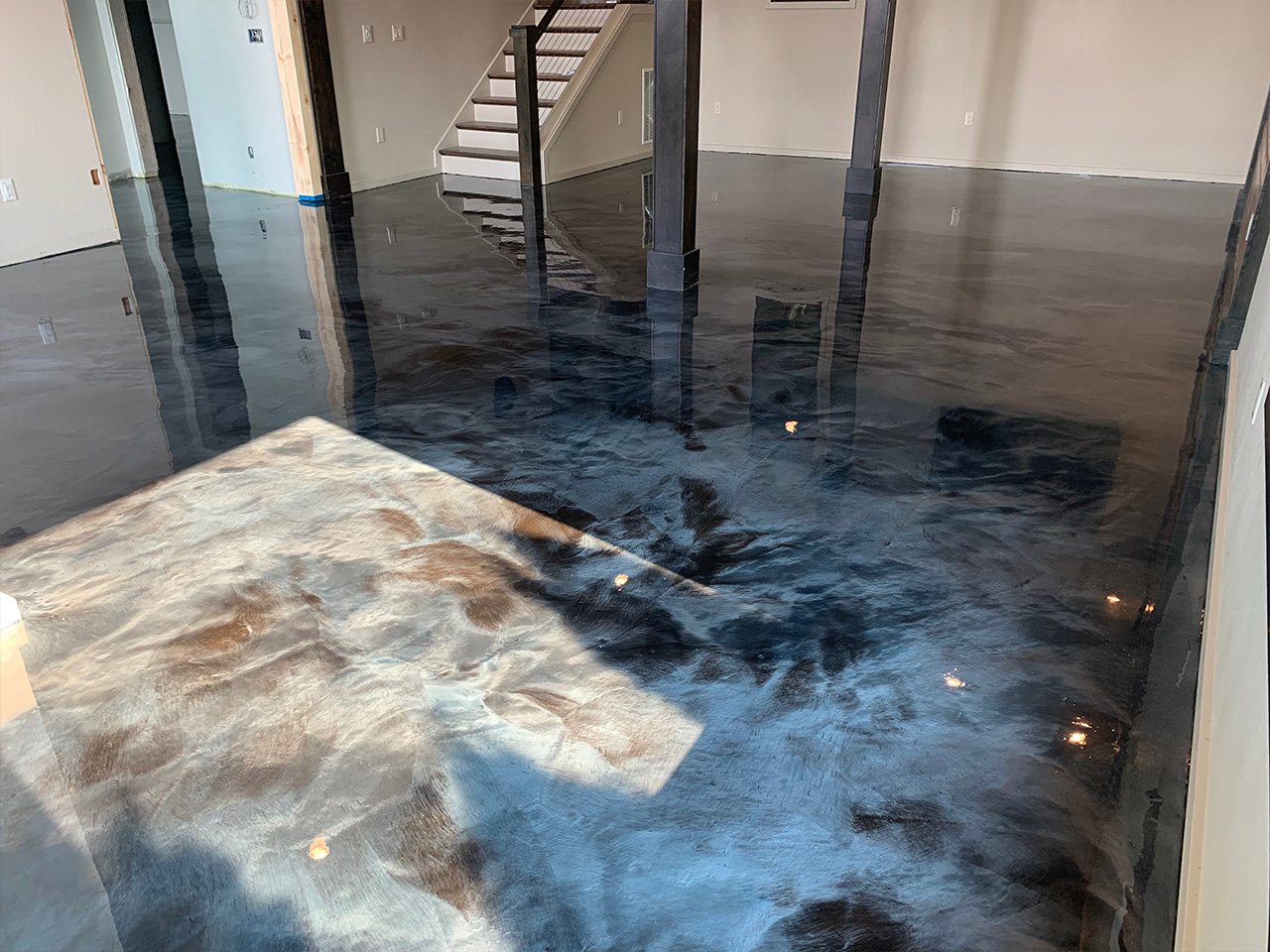
- Complexity of the Job: The complexity of the application can also affect the price. If the job includes intricate patterns, multiple colors, or special finishes, this will require more time and skill, adding to the cost.
- Type of Epoxy: There are several types of epoxy, each with its own price range. Some are more affordable but may not be as durable, while others are more expensive but offer better longevity and performance.
- Labor Costs: Depending on the region and the expertise of the installer, labor costs can vary. Experienced professionals may charge more, but their expertise can ensure a high-quality finish and longevity of your floor.
Average Cost Breakdown for Different Types of Epoxy Flooring
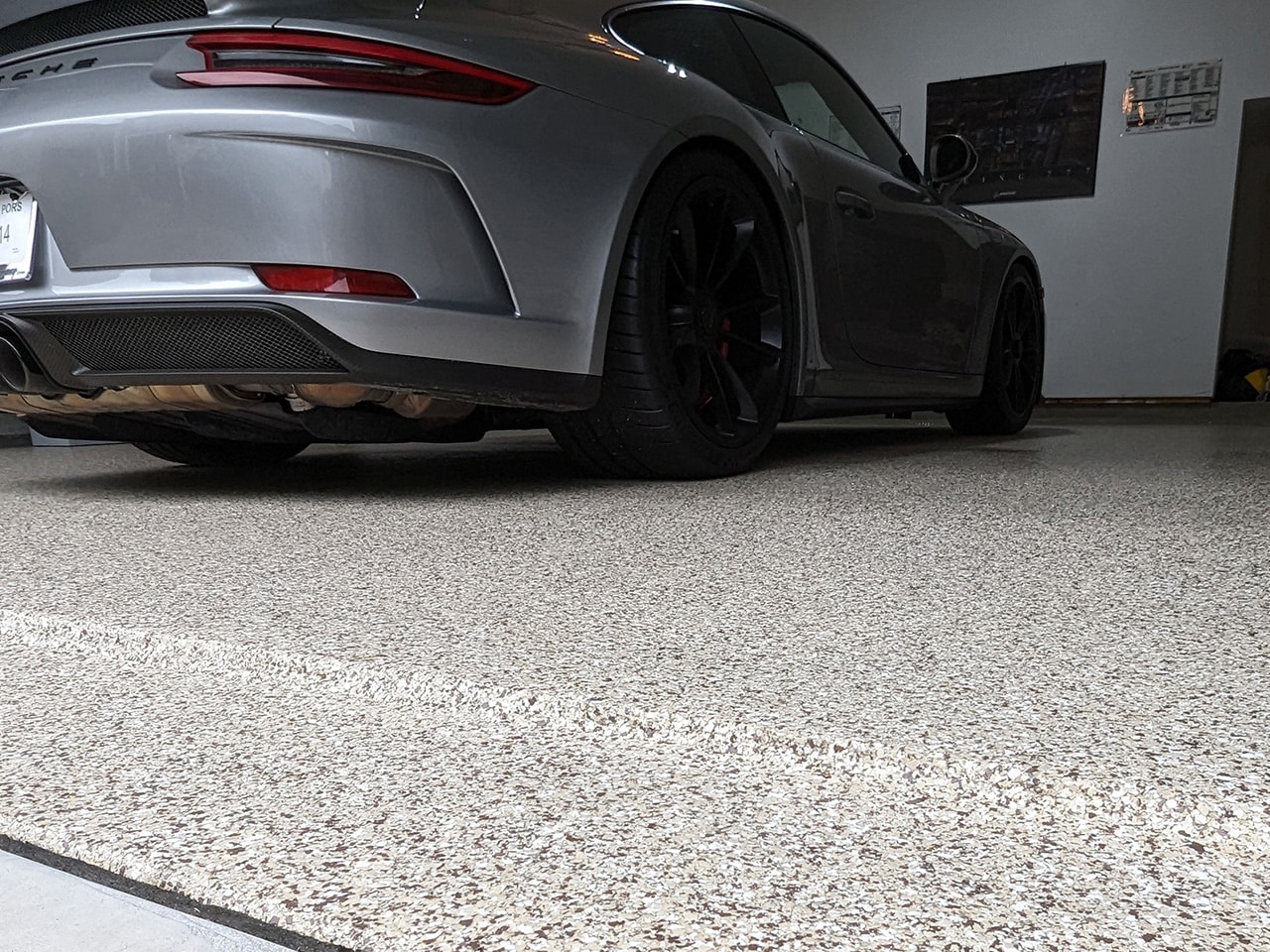
- Standard Epoxy: Standard epoxy is generally the most affordable option, often used in residential and commercial garages. The average cost for this type ranges from some dollars per square foot.
- Self-Leveling Epoxy: This type of epoxy is used to provide a smooth and level surface, typically used in commercial buildings, garages, or kitchens.
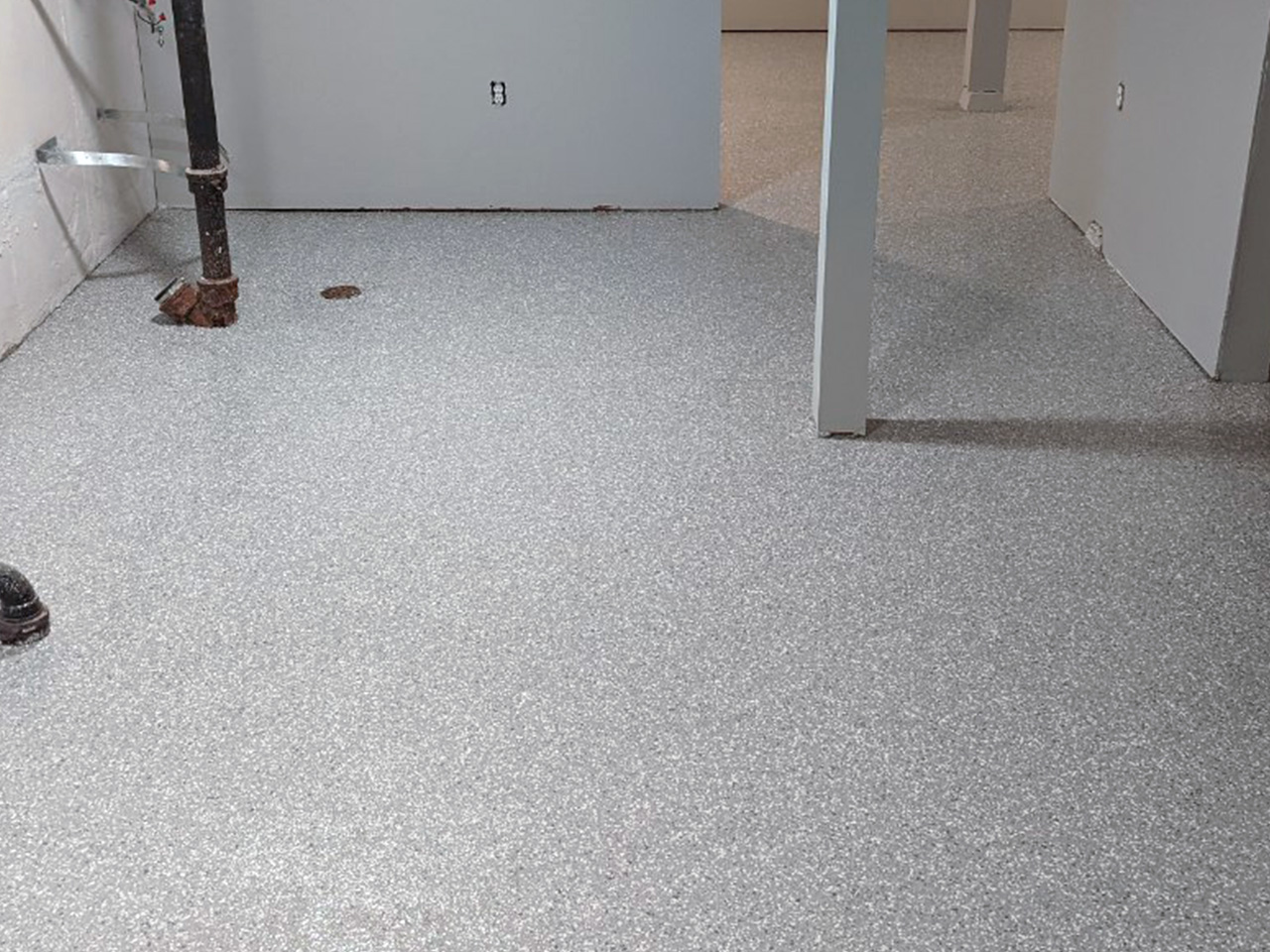
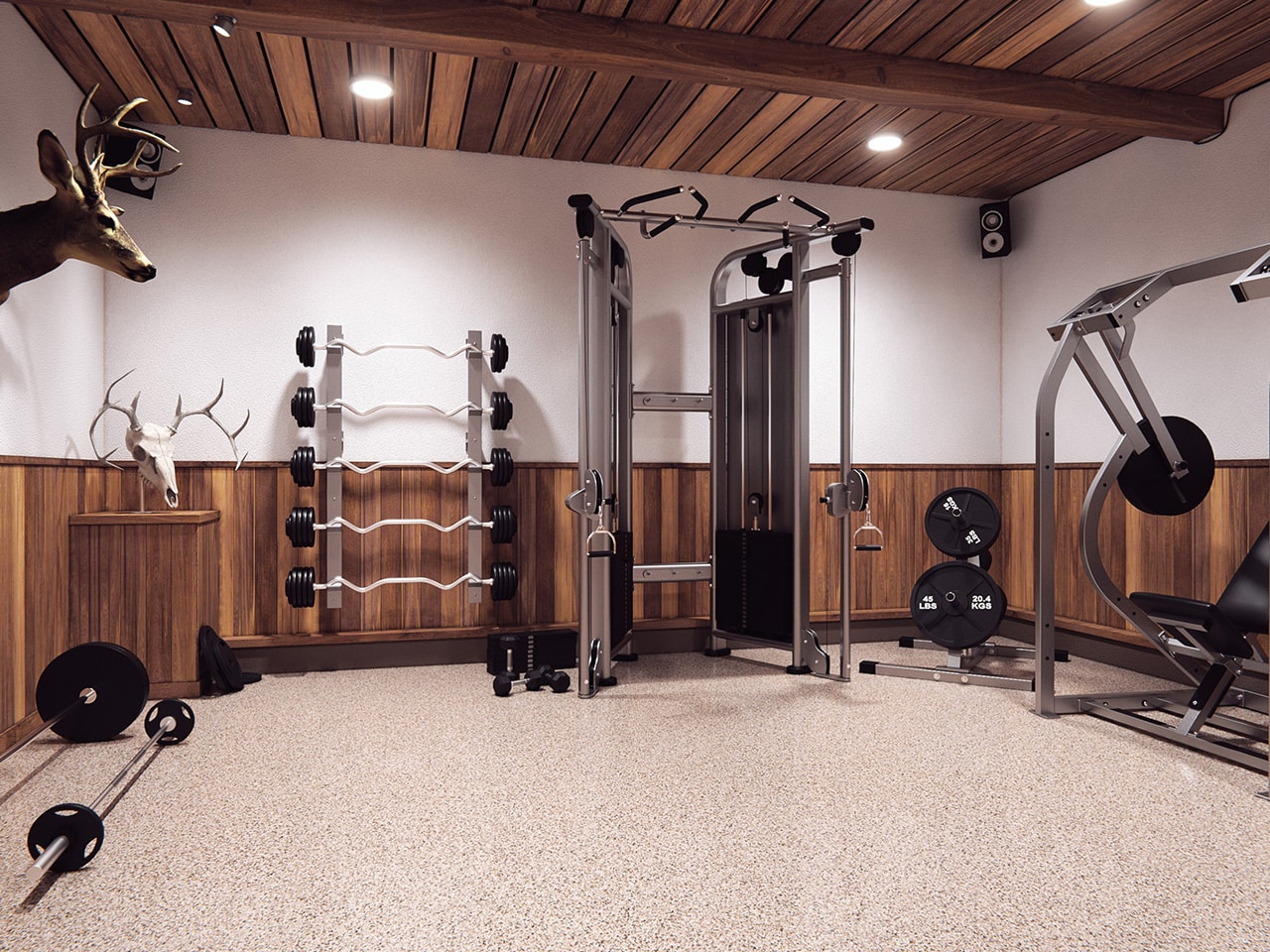
- Quartz-Filled Epoxy: Quartz-filled epoxy floors combine high-performance epoxy polymer resin with colored quartz grains, resulting in a durable floor that is also aesthetically pleasing.
- Anti-Static Epoxy: This option is crucial in environments that require a static-free space, such as hospitals, electronics equipment factories, or chemical labs. Anti-static epoxy flooring costs slightly more, with prices ranging from less than ten dollars per square foot.
Tips for Choosing a Reputable Contractor and Understanding Their Pricing Structure
- Experience: A well-established contractor with years of experience in epoxy flooring installation is likely to deliver a higher quality job compared to a less experienced one.
- References and Reviews: A reputable contractor should provide references from previous clients. Additionally, check online reviews and ratings to get a better idea of their work quality and customer service.
- Licensing and Insurance: Ensure that the contractor is fully licensed and insured to guarantee the safety of your project.
- Detailed Estimates: A professional contractor should provide detailed written estimates that outline the cost of materials, labor, and any additional charges.
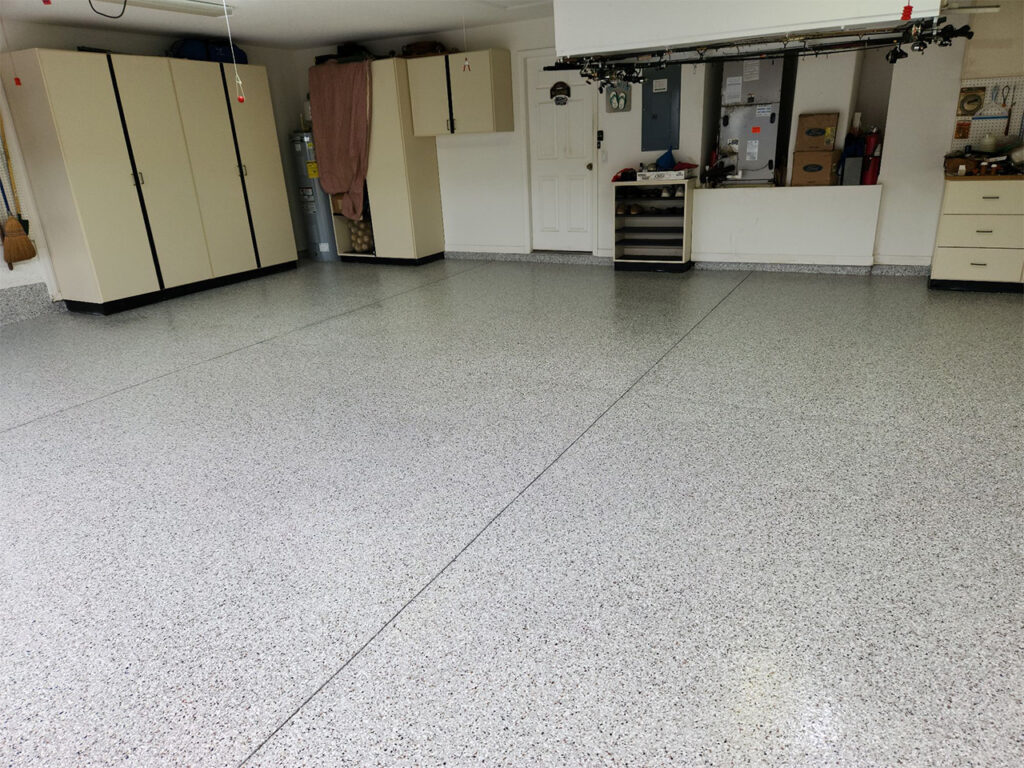
DIY Options for Those on a Tighter Budget – Pros and Cons to Consider
Pros:
- Cost Savings: The most obvious advantage of a DIY approach is potential cost savings. By eliminating labor costs, the total expense can be significantly reduced. This can be particularly beneficial for smaller spaces.
- Personal Satisfaction: There’s also a sense of accomplishment that comes with completing a DIY project. This can make the end result even more rewarding.
Cons:
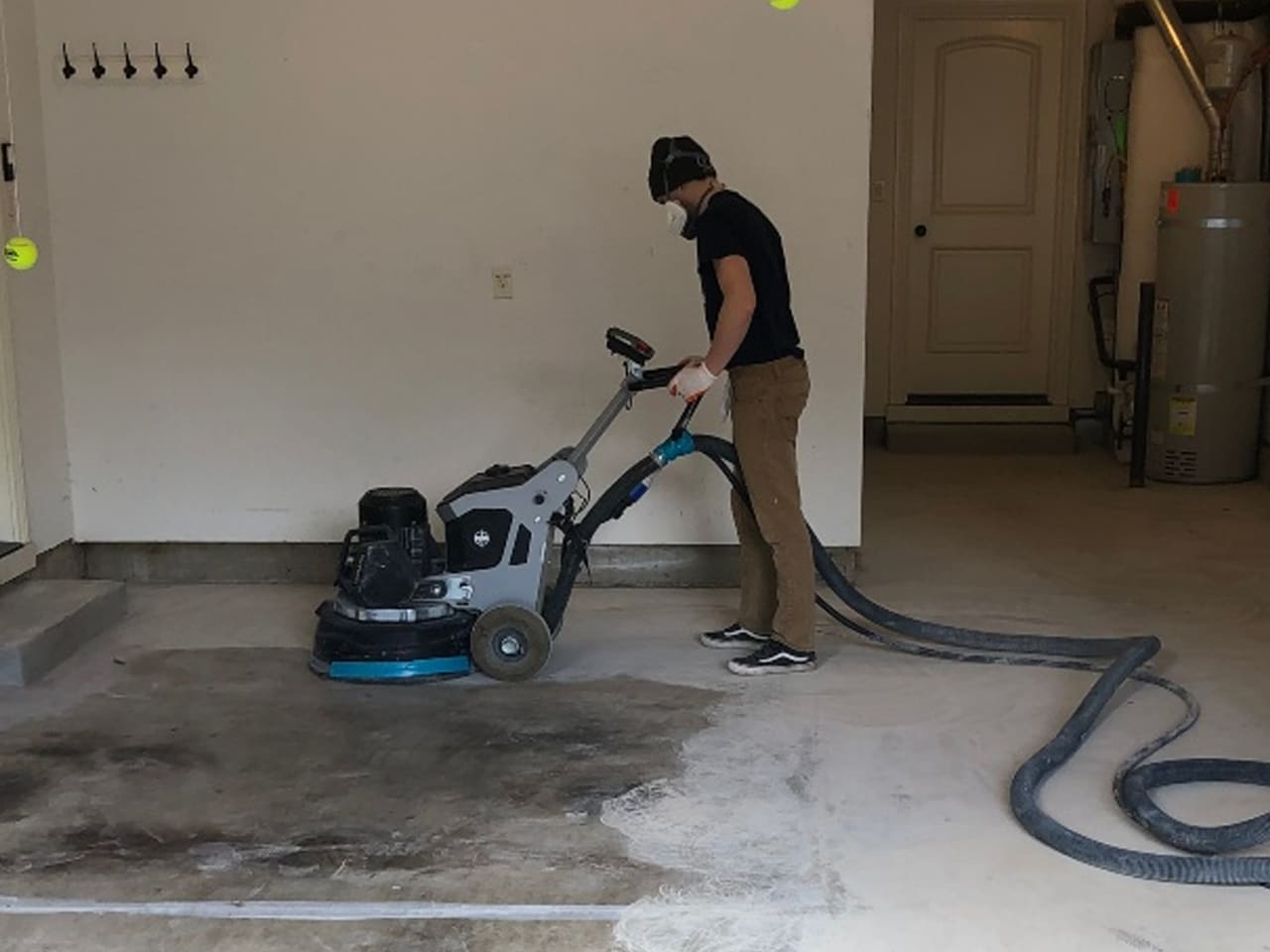
- Time Consuming: Epoxy flooring installation is a multi-step process that can be time-consuming. It involves floor preparation, priming, applying the epoxy, and sealing it. Homeowners with little or no experience may find it takes longer than expected.
- Risk of Mistakes: There’s also a higher risk of errors with a DIY approach. These can range from minor aesthetic issues to serious structural problems that affect the durability of the floor. Mistakes can also lead to additional costs if professional repair is needed.
- Lack of Warranty: Most professional installers offer a warranty for their work, providing peace of mind. This is not usually the case with DIY installations.
In conclusion, while a DIY approach can save money, it requires a significant investment of time and effort. There’s also a higher risk of mistakes. It’s important to carefully consider these factors before deciding on a DIY epoxy flooring installation.
Ultimately, hiring a professional contractor may provide better long-term value and ensure a high-quality finish. Whichever option you choose, be sure to do thorough research and consult with experts to get the best results for your budget and needs.