All You Need To Know About Epoxy Basement Floor Cost
Basements often end up as underused spaces – damp, dimly lit areas relegated to storage or laundry. With the right flooring upgrade, however, they can become bright, versatile living extensions: a home office, playroom, media center, gym, or guest suite. Epoxy basement flooring stands out as one of the most popular choices for this transformation. It creates a seamless, glossy, highly durable surface that resists moisture, stains, impacts, and everyday wear while delivering a clean, modern aesthetic that makes the space feel finished and inviting.
A common first question for homeowners is: How much does epoxy basement floor cost? The answer depends on several key factors, including basement size, surface condition, chosen epoxy system, preparation needs, and whether you opt for professional installation or a DIY approach. Professional applications generally involve higher upfront investment due to expert prep, multiple layers, and warranties, while DIY kits focus on materials but require careful execution to avoid issues – especially in moisture-prone basements.
Key Factors That Influence Epoxy Basement Floor Cost
1. Basement Size
2. Type of Epoxy or Coating System
3. Concrete Condition and Surface Preparation
4. Installation Method
5. Custom Features
6. Regional and Labor Considerations
Types of Epoxy Basement Flooring & Typical Considerations
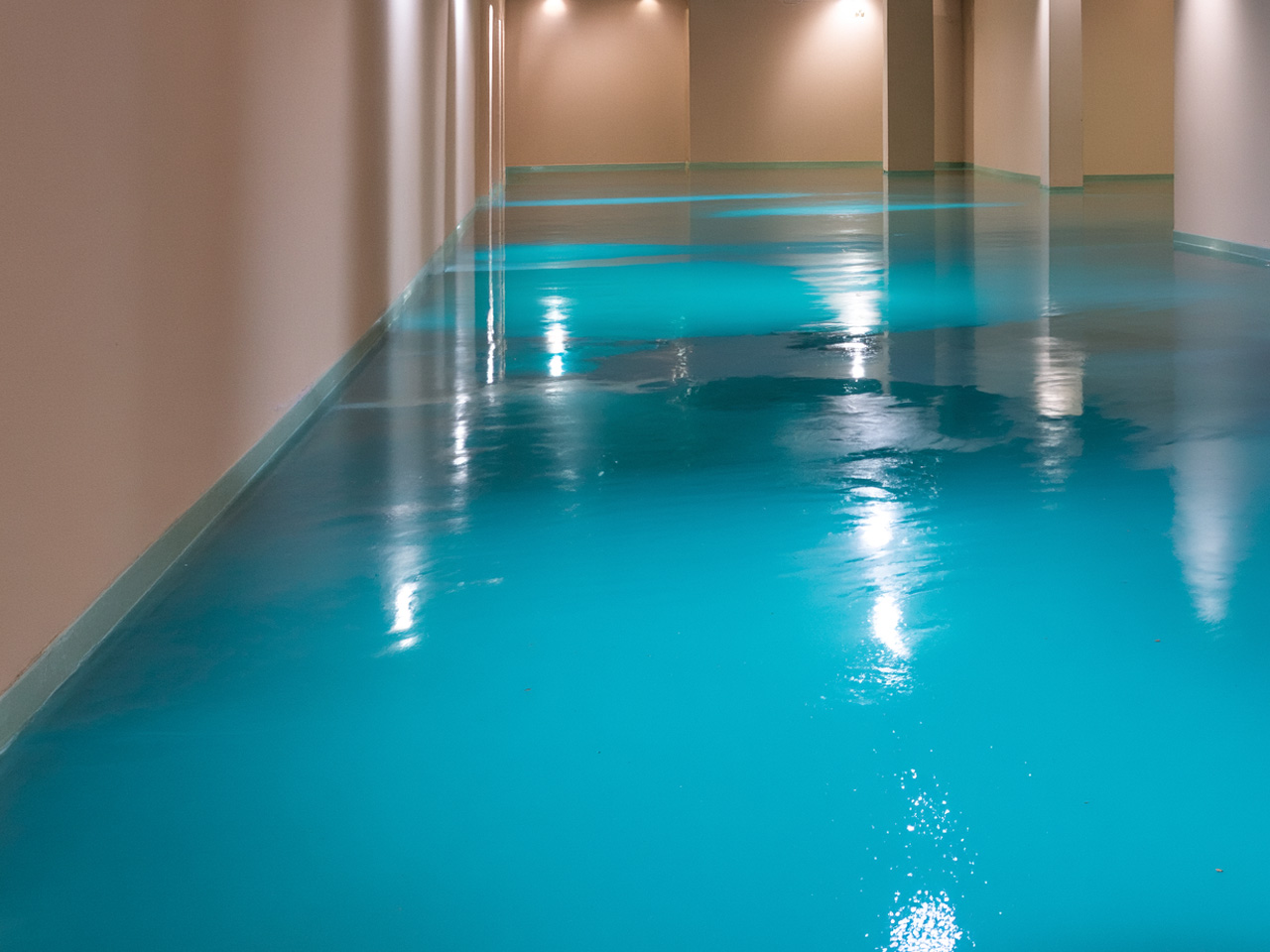
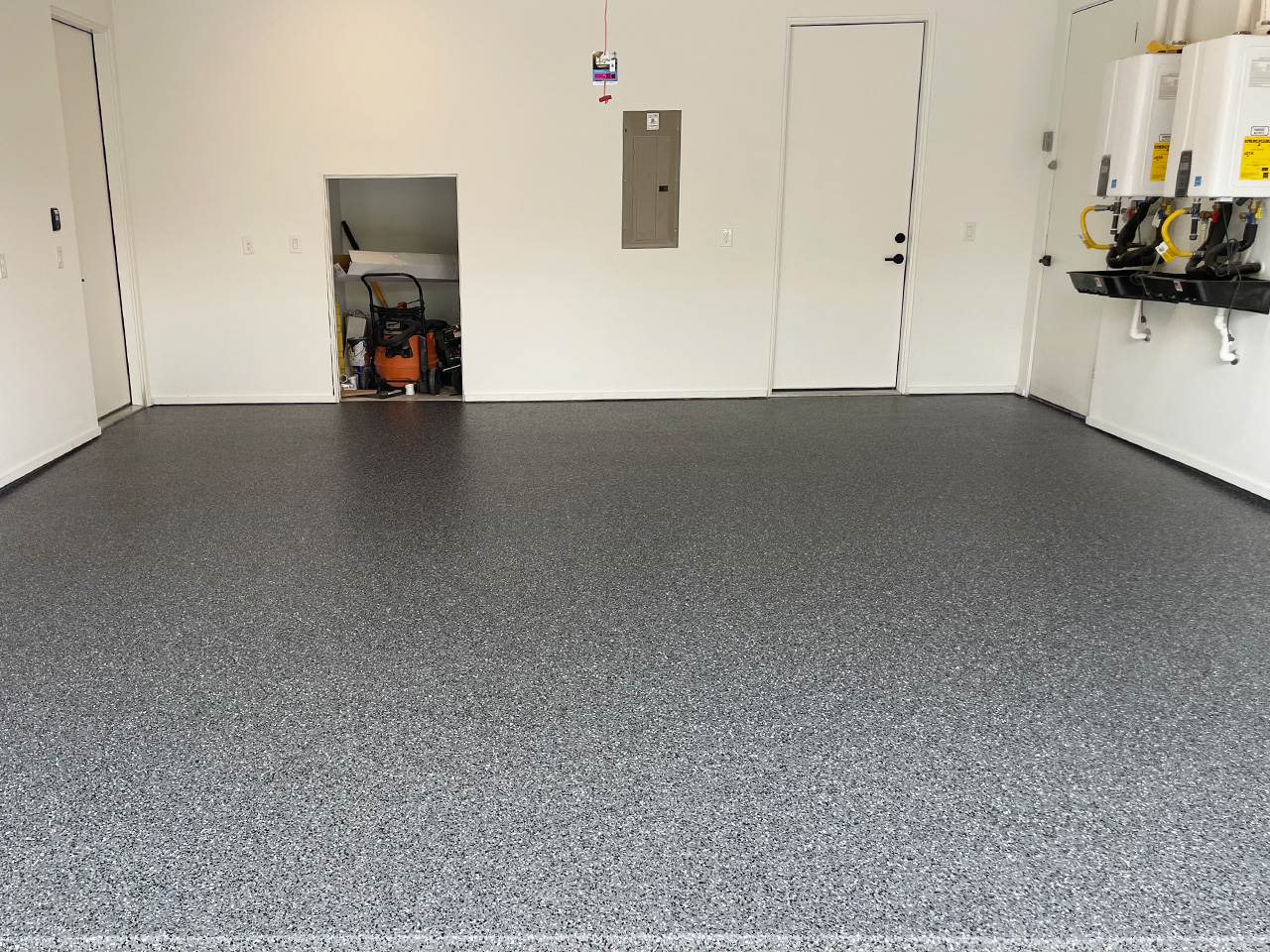
- Basic solid-color epoxy — Provides a clean, uniform appearance with reliable protection; ideal for straightforward, functional basements.
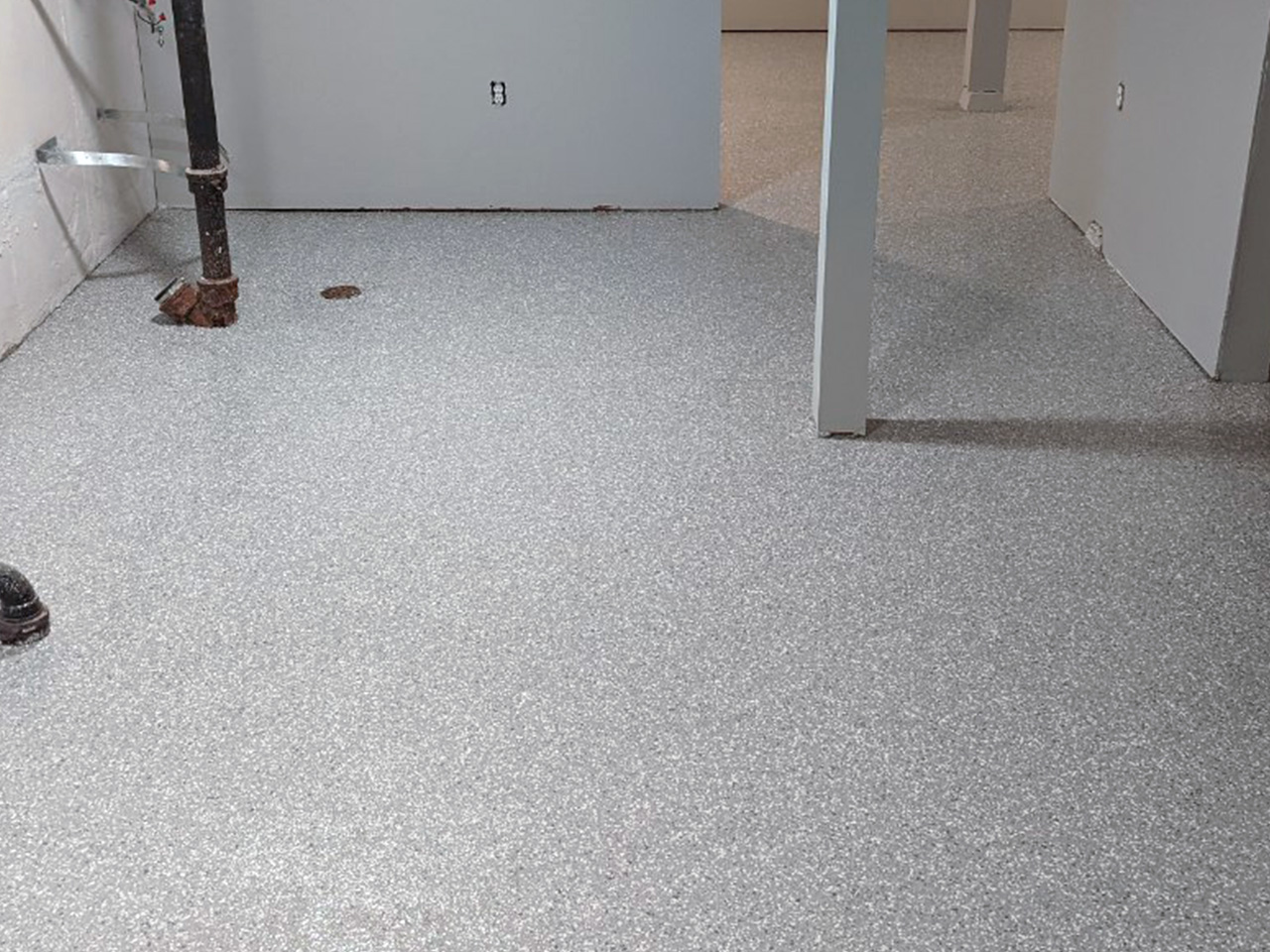
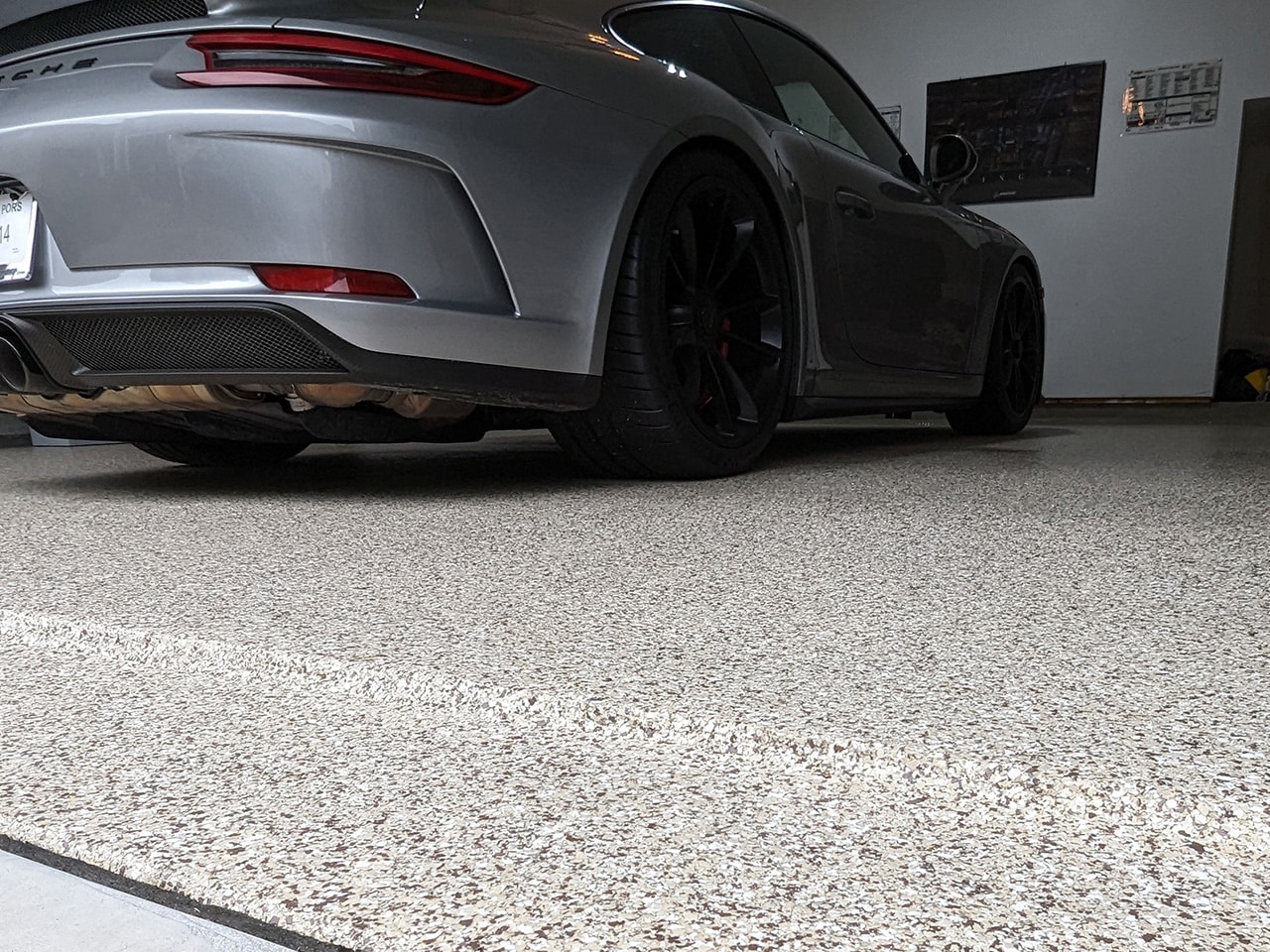
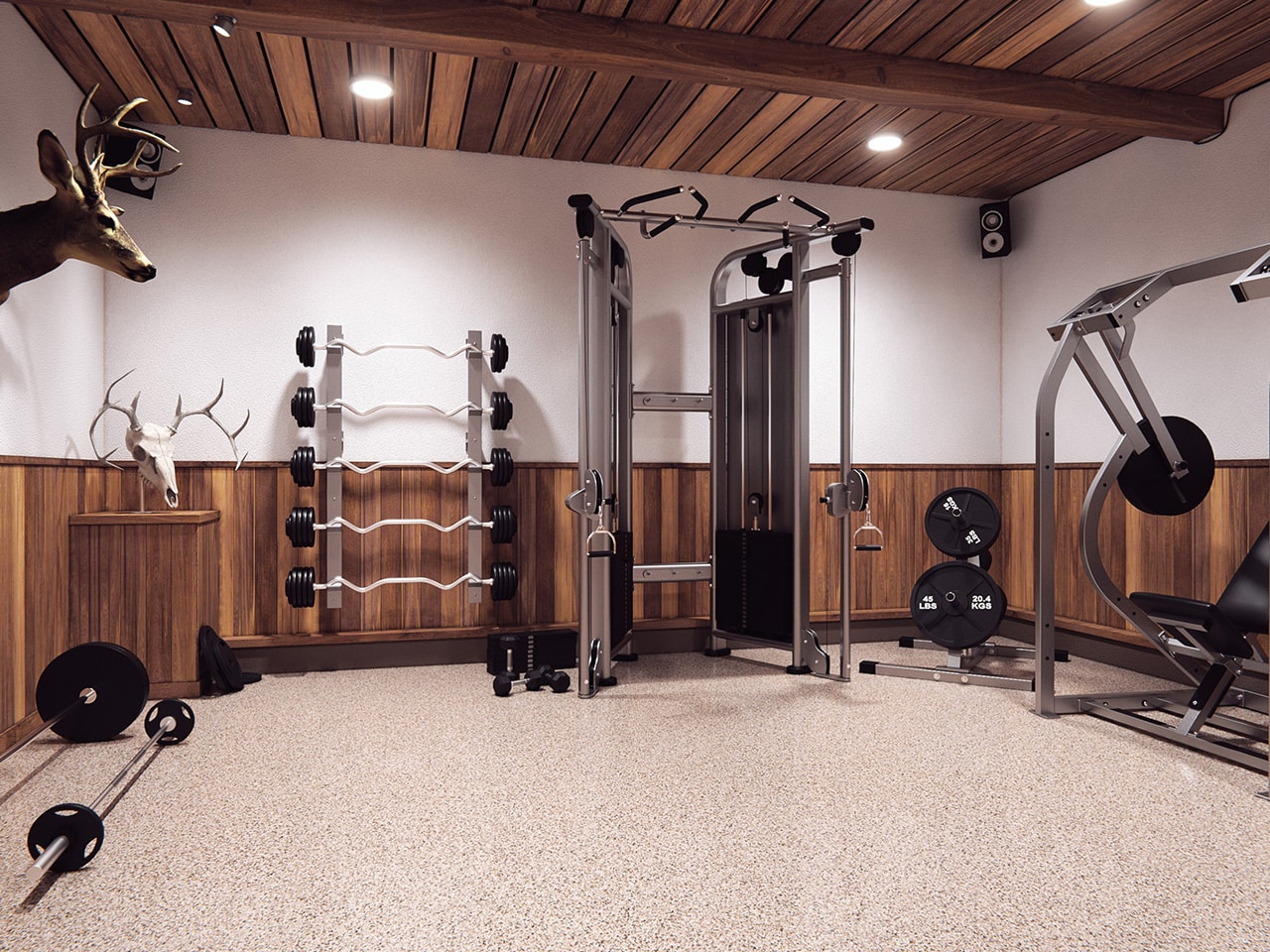
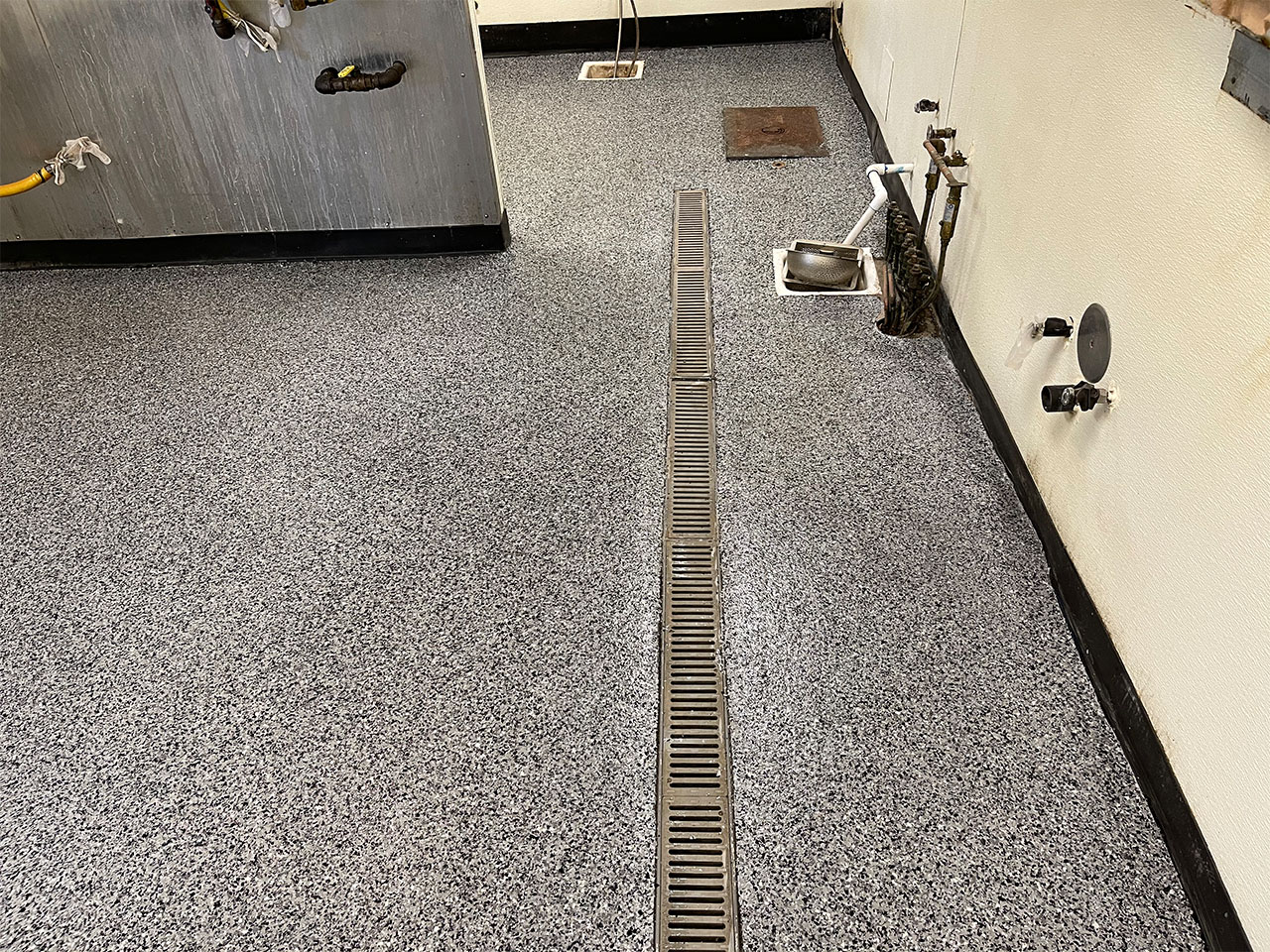
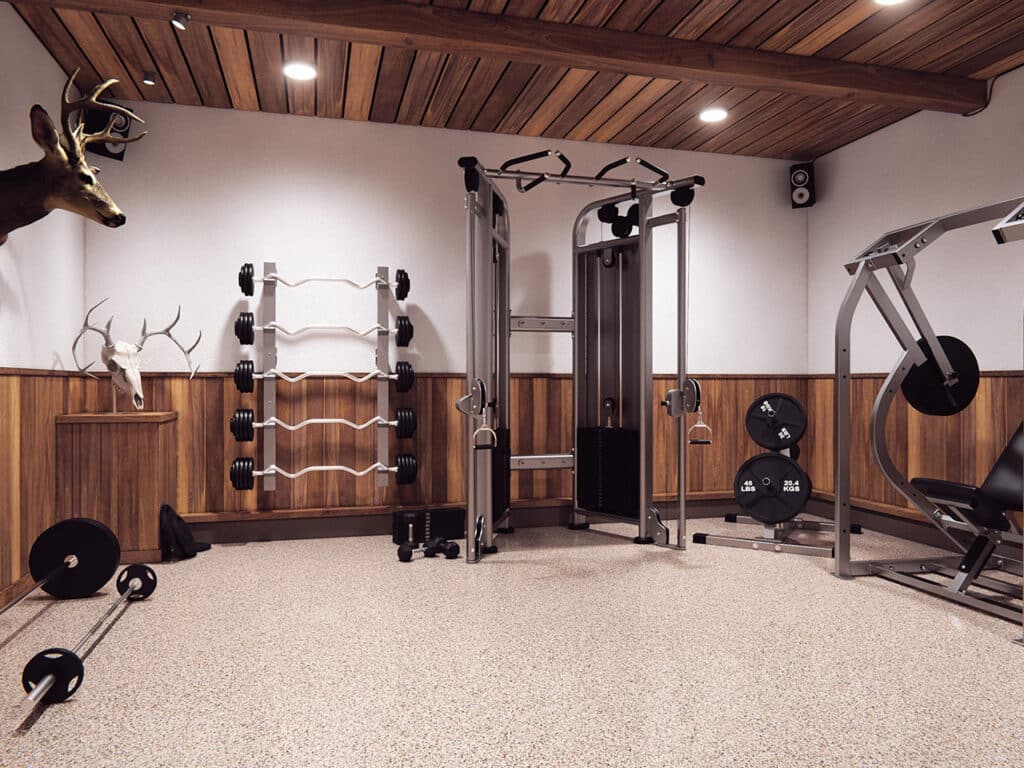
- Flake or chip broadcast systems — Introduces colored flakes for texture, better grip, and to conceal minor imperfections; a very popular choice for residential basements.
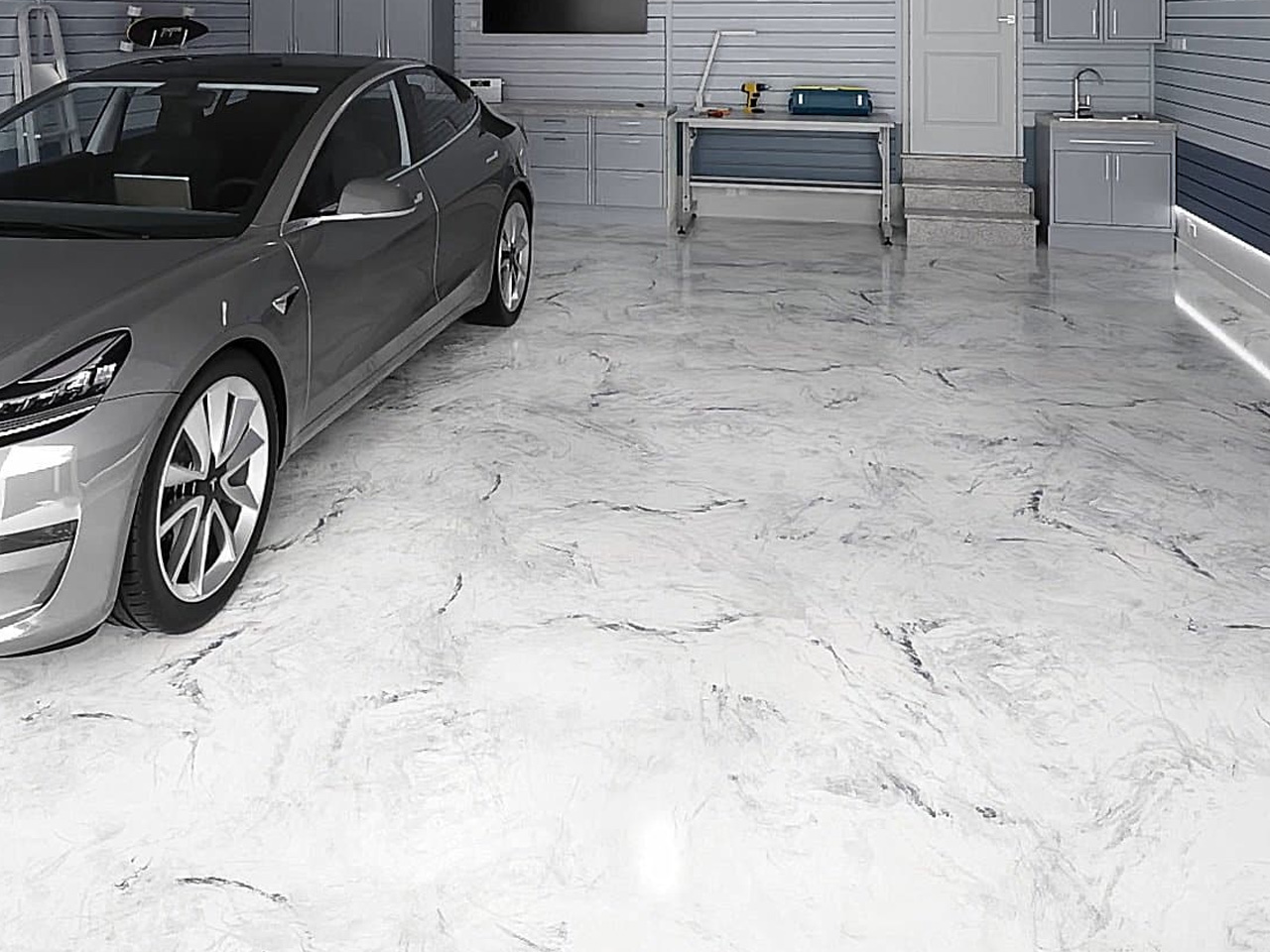
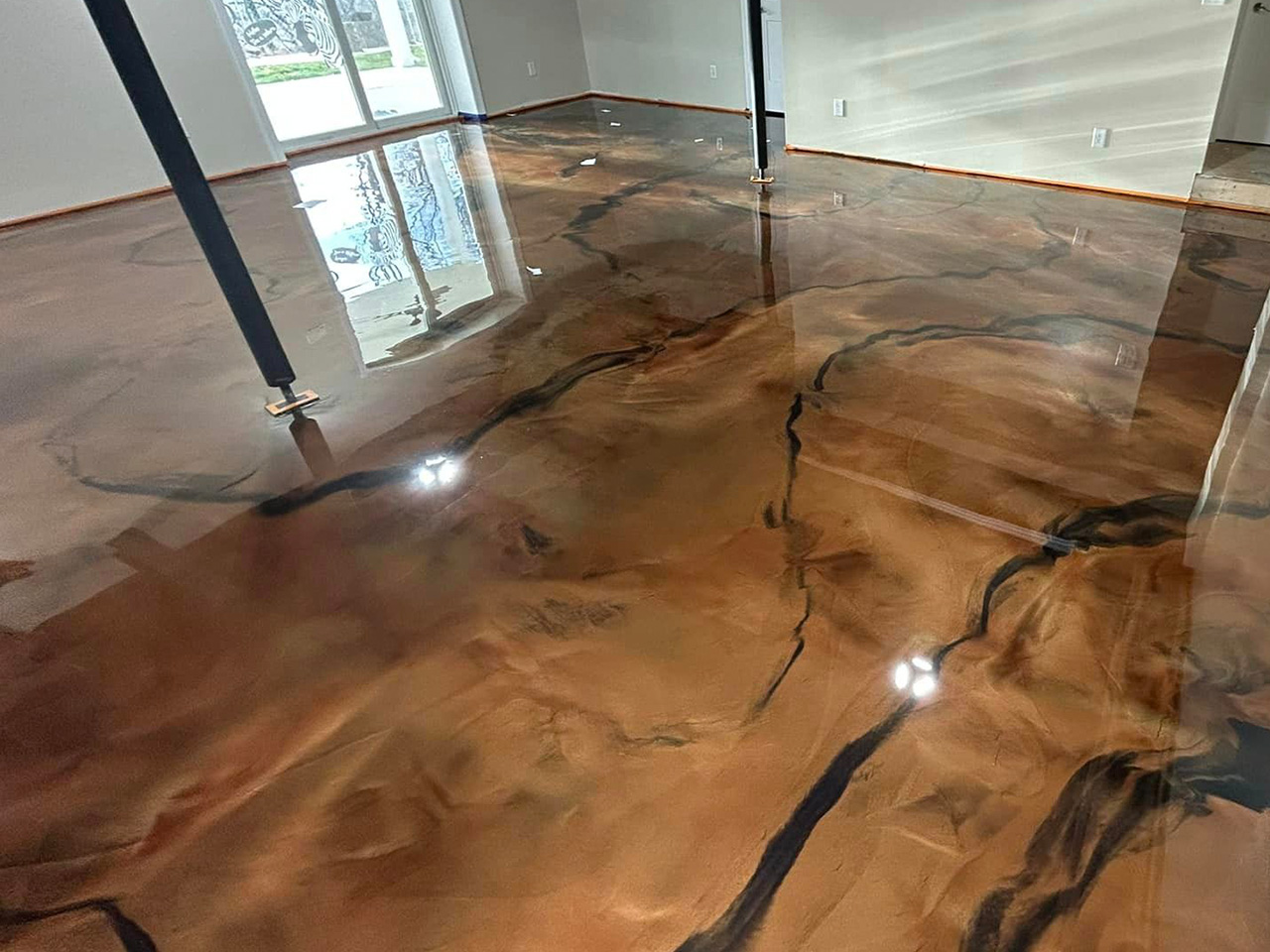
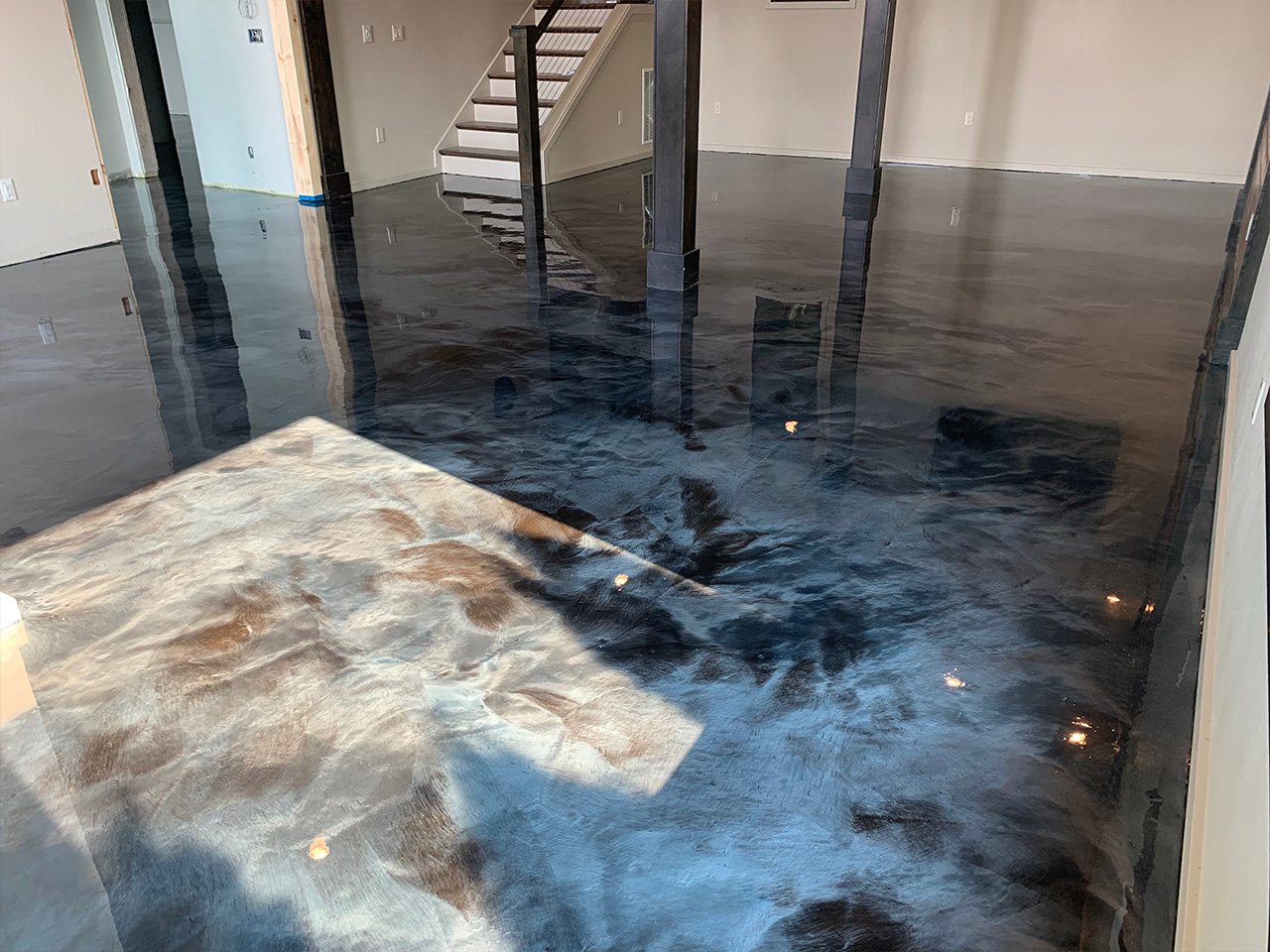
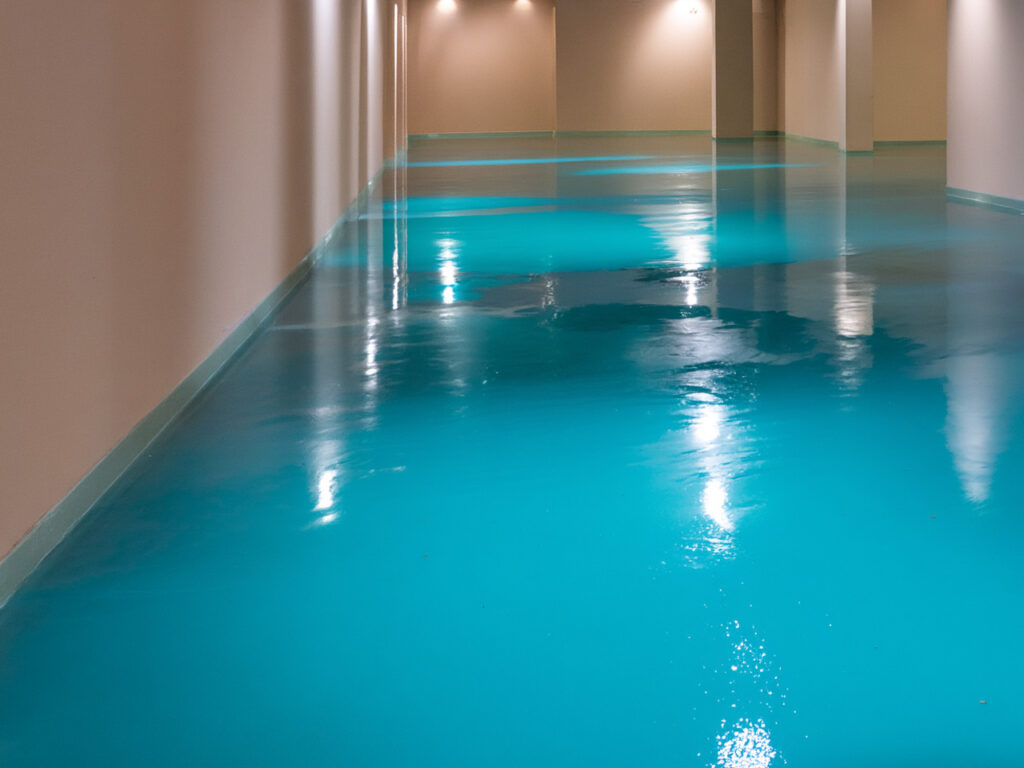
- Metallic or decorative epoxy — Creates eye-catching, glossy, three-dimensional effects; perfect for rec rooms or media spaces.
- Polyaspartic or polyurea hybrids Advanced alternatives with faster curing, superior moisture resistance, UV stability (no yellowing), and greater flexibility; especially valuable in damp or variable-condition basements.

Benefits of Epoxy Basement Floors & Why They're Worth Considering
1. Superior Moisture Resistance
2. Exceptional Durability
3. Easy Maintenance
4. Aesthetic Transformation
5. Health and Eco Perks

How Epoxy Basement Flooring Increases Home Value
Finishing a basement typically adds significant return on investment. Epoxy makes the space usable and appealing year-round, turning “dead” storage into bonus living area. Buyers view a durable, modern floor as a move-in-ready feature that signals thoughtful maintenance, often helping homes sell faster or for higher prices.
Durability & Longevity of Epoxy Basement Floors
Pros & Cons of Epoxy Basement Flooring
Pros:
- Excellent moisture barrier and stain resistance
- Long-lasting with low upkeep
- Enhances aesthetics and functionality
- Customizable and seamless
Cons:
- Professional installation recommended for best results
- Long-lasting with low upkeep
- Limited cushioning compared to carpet
- Upfront effort higher than basic paint

Tips for Getting the Best Value
- Collect several quotes - evaluate preparation details, warranty coverage, and customer feedback.
- Perform moisture testing upfront - resolve any vapor concerns early.
- Select low-VOC or polyaspartic options for humid basements.
- Emphasize quality surface prep - it's essential for adhesion and longevity.
Epoxy basement flooring is a practical, durable upgrade that protects your space and creates usable, attractive living area. Ready to transform your basement? Contact a local specialist for a free on-site evaluation and personalized guidance. Discover how epoxy can make your below-grade space brighter, cleaner, and more functional for years to come!
Ready to make your basement more livable and attractive?
Get a FREE, no-obligation estimate from a local epoxy flooring expert today – personalized guidance and options with no pressure!