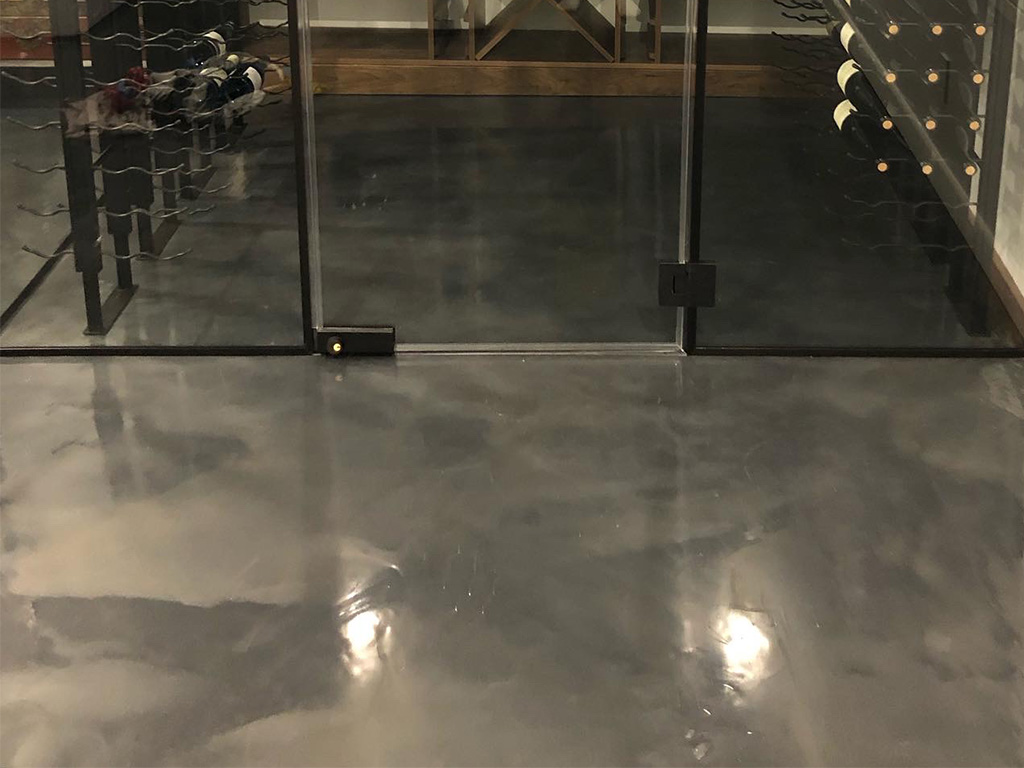

Showrooms play a pivotal role in businesses across various industries, serving as spaces where products are displayed, and brands make lasting impressions on customers. As a significant touchpoint for potential clients, the aesthetics and functionality of showroom spaces hold immense importance. One aspect that often goes unnoticed but has a substantial impact on both visual appeal and long-term financial outcomes is the choice of showroom floor coatings.
The Value of Showroom Floor Coatings
Showroom floors endure high foot traffic, spills, and constant wear and tear. Traditional flooring materials such as concrete, tile, or hardwood, while durable to an extent, might not withstand the demands of a bustling showroom. This is where showroom floor coatings step in, offering a myriad of benefits that make them a worthy investment:
- Enhanced Durability: Showroom floor coatings are engineered to withstand heavy foot traffic, the movement of products, and even the occasional accidental impacts. They create a protective barrier that shields the underlying surface from abrasions, scratches, and stains.
- Aesthetic Appeal: Aesthetic impressions are crucial in a showroom. Coatings can be customized to complement a brand’s identity and the desired ambiance. From glossy finishes that enhance brightness to textured coatings that add depth, coatings offer design flexibility.
- Ease of Maintenance: Maintaining a showroom’s pristine appearance is essential. Coated floors are relatively easy to clean and require minimal upkeep. Spills can be wiped away without leaving stains, and regular cleaning routines are more efficient.
- Longevity: A properly applied showroom floor coating can significantly extend the lifespan of the underlying floor material. This translates to reduced replacement costs over time.
- Safety Enhancement: Coatings can include slip-resistant properties, promoting safety in areas where customers and staff frequent.
- Brand Image: The visual impact of a well-maintained showroom can strengthen the overall brand image, leaving a positive and lasting impression on visitors.

Understanding the Cost Factors
1. Material Costs
2. Surface Preparation
3. Labor Expenses
4. Additional Features
5. Floor Size and Complexity
6. Downtime and Business Disruption

Calculating the Return on Investment (ROI)
- Extended Floor Lifespan: Coatings protect the floor from damage, reducing the need for costly replacements or repairs.
- Reduced Maintenance Costs: Easy-to-clean surfaces minimize maintenance efforts and expenses.
- Enhanced Aesthetic Appeal: A visually appealing showroom can attract more customers, potentially leading to increased sales.
- Brand Image and Customer Perception: A well-maintained showroom enhances the brand’s image and customer perception, contributing to long-term loyalty.
- Higher Resale Value: If the showroom is part of a property, coated floors can enhance the property’s resale value.
Case Study: Calculating ROI in Practice

Investment
The investment includes:
- Epoxy coating material and application labor: $8,000
- Surface preparation: $2,000
- Additional anti-slip additive: $500
Benefits
The investment includes:
- Estimated increased customer footfall and potential sales: 10%
- Reduced maintenance costs: 20%
- Extended floor lifespan and delayed replacement: 5 years
Calculation
- Increased Sales: If the showroom’s average monthly sales are $200,000, a 10% increase due to enhanced aesthetics could mean an additional $20,000 in monthly revenue.
- Reduced Maintenance Costs: Assuming the monthly maintenance costs are $1,000, a 20% reduction would save $200 per month.
- Delayed Replacement: If replacing the uncoated floor would cost $15,000 in 5 years, the coated floor’s extended lifespan translates to a savings of $15,000.

Conclusion
Showroom floor coating investments involve a comprehensive evaluation of both upfront expenses and long-term benefits. Beyond the immediate costs of materials and labor, the enhanced aesthetics, increased longevity, and potential for boosted sales contribute to a positive return on investment. By considering all cost factors and potential returns, businesses can make informed decisions that lead to both a visually captivating showroom and improved financial outcomes. As showrooms continue to serve as vital platforms for brand representation and customer engagement, the strategic use of floor coatings can be a crucial factor in success in today’s competitive marketplace.