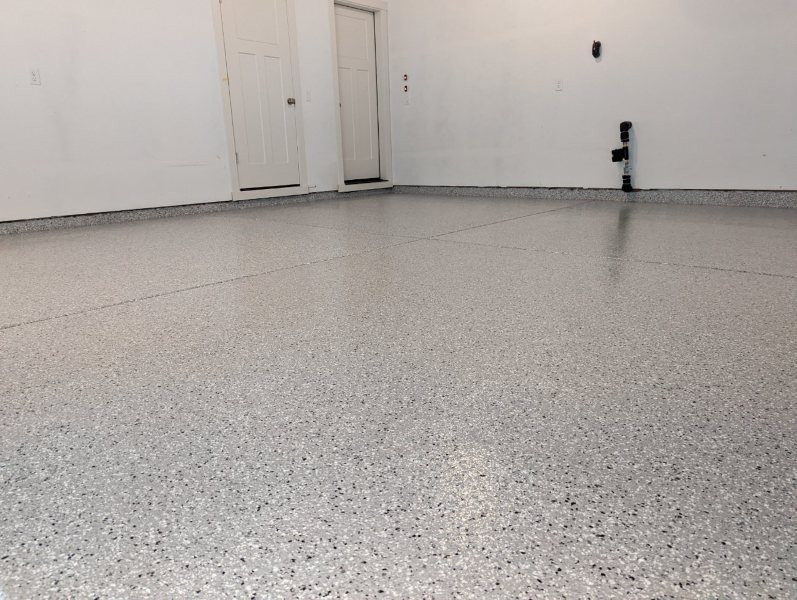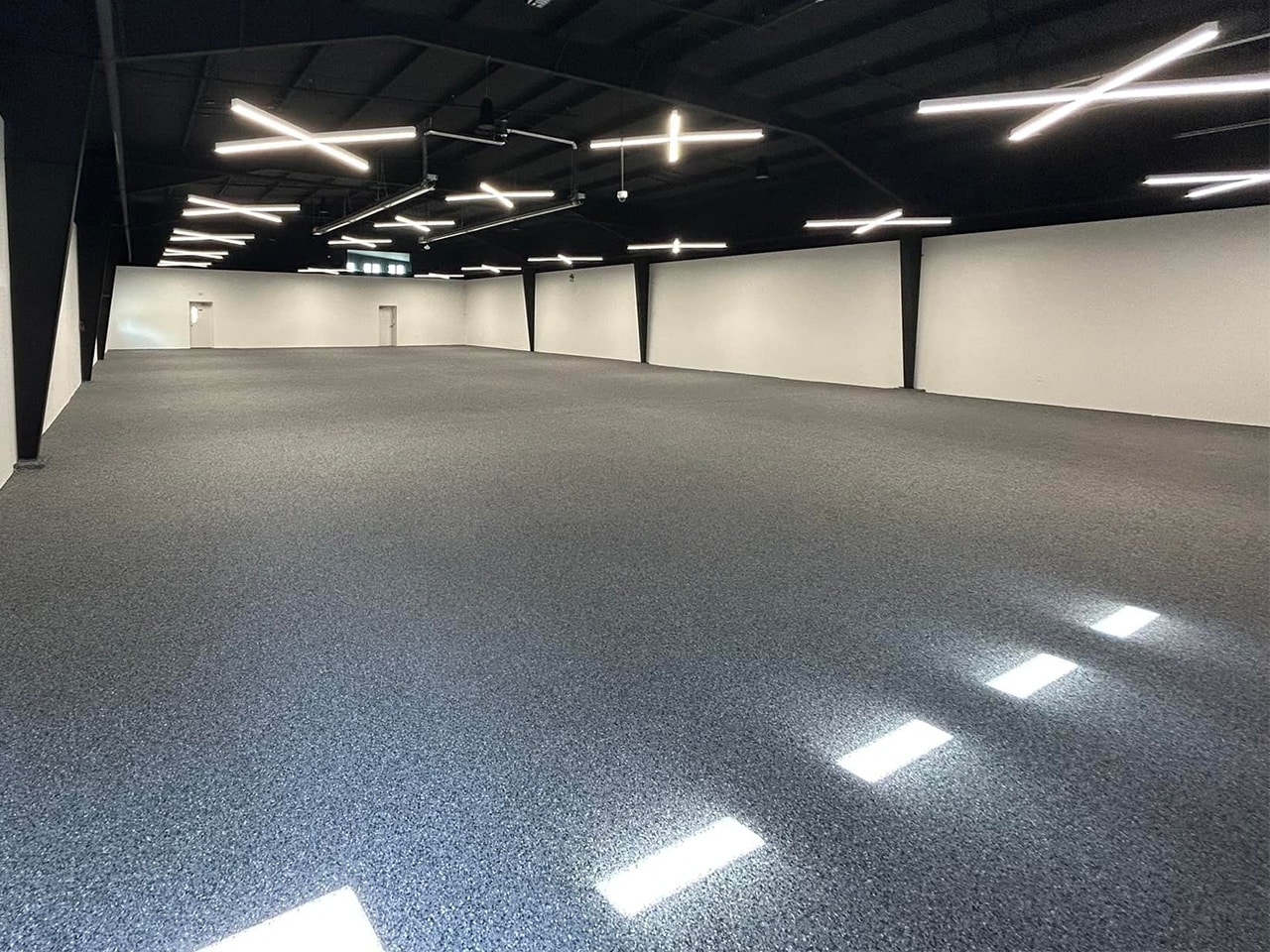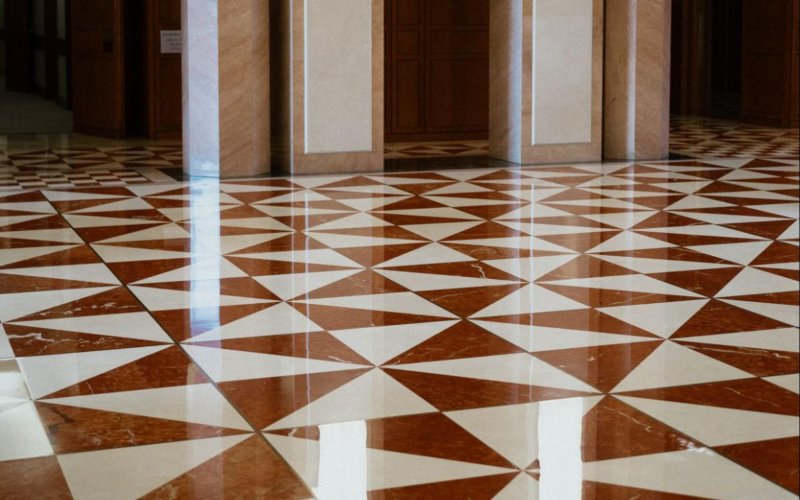

The Pros and Cons of Epoxy Flooring
When it comes to protecting and enhancing concrete surfaces, epoxy flooring has long been a popular choice for garages, showrooms, warehouses, and commercial spaces. Known for its durability, glossy finish, and cost-effectiveness, epoxy has earned its reputation as a reliable concrete coating solution.
This guide breaks down the advantages and disadvantages of epoxy flooring and compares it with modern alternatives to help you choose the right solution for your space.
What Is Epoxy Flooring?
Epoxy flooring is a resin-based coating system applied directly to prepared concrete. It consists of two main components — epoxy resin and a hardener — that chemically bond to create a hard, durable surface.
Epoxy is commonly used in:
- Garages
- Showrooms
- Warehouses
- Commercial and Industrial Facilities
- Basements and Utility Area
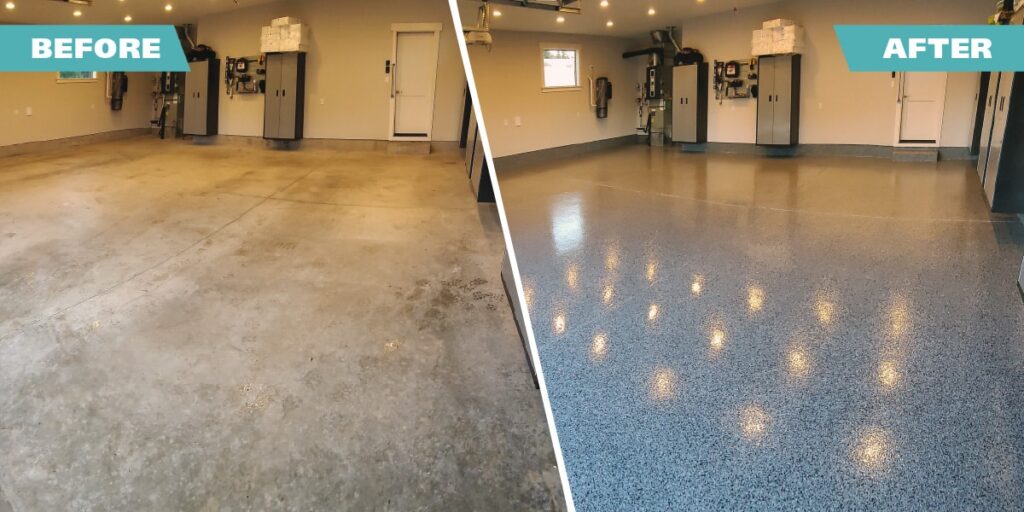
The Pros of Epoxy Flooring
1. Durable and Long-Lasting
Epoxy creates a tough, protective surface that resists wear from foot traffic, vehicles, and equipment. When professionally installed, it can last many years under normal use.
2. Cost-Effective Flooring Solution
Compared to tile, polished concrete, or full concrete replacement, epoxy flooring is relatively affordable. It enhances concrete without requiring major structural changes.
3. Seamless and Easy to Clean
Epoxy floors are smooth and seamless, making them easy to clean. Dirt, oil, and spills stay on the surface rather than soaking into the concrete.
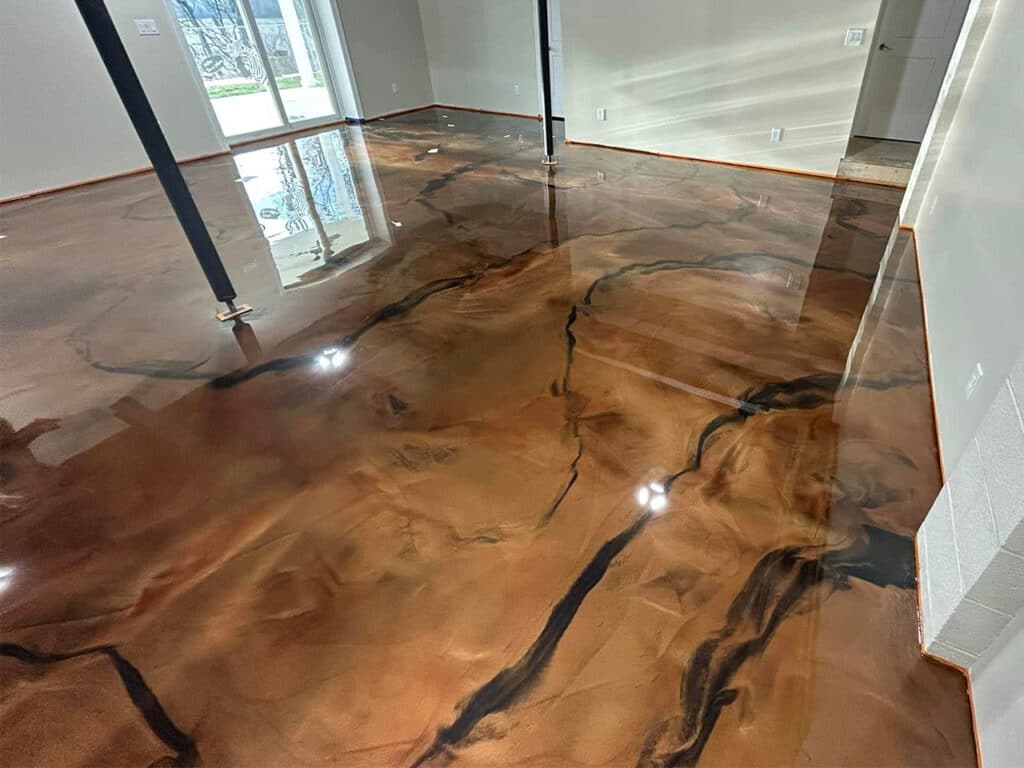
4. Customizable Appearance
Epoxy offers a wide range of design options:
- Solid colors
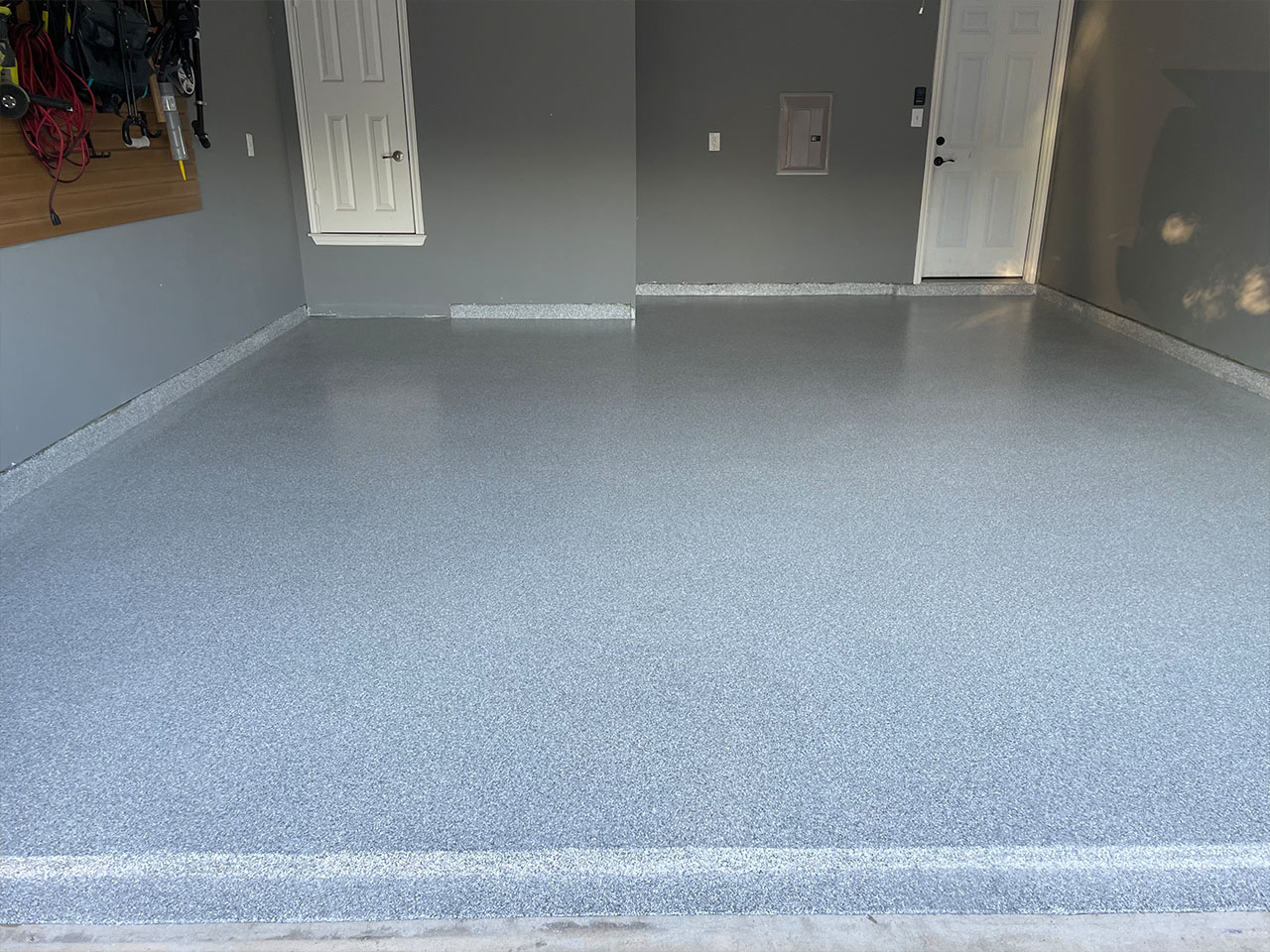
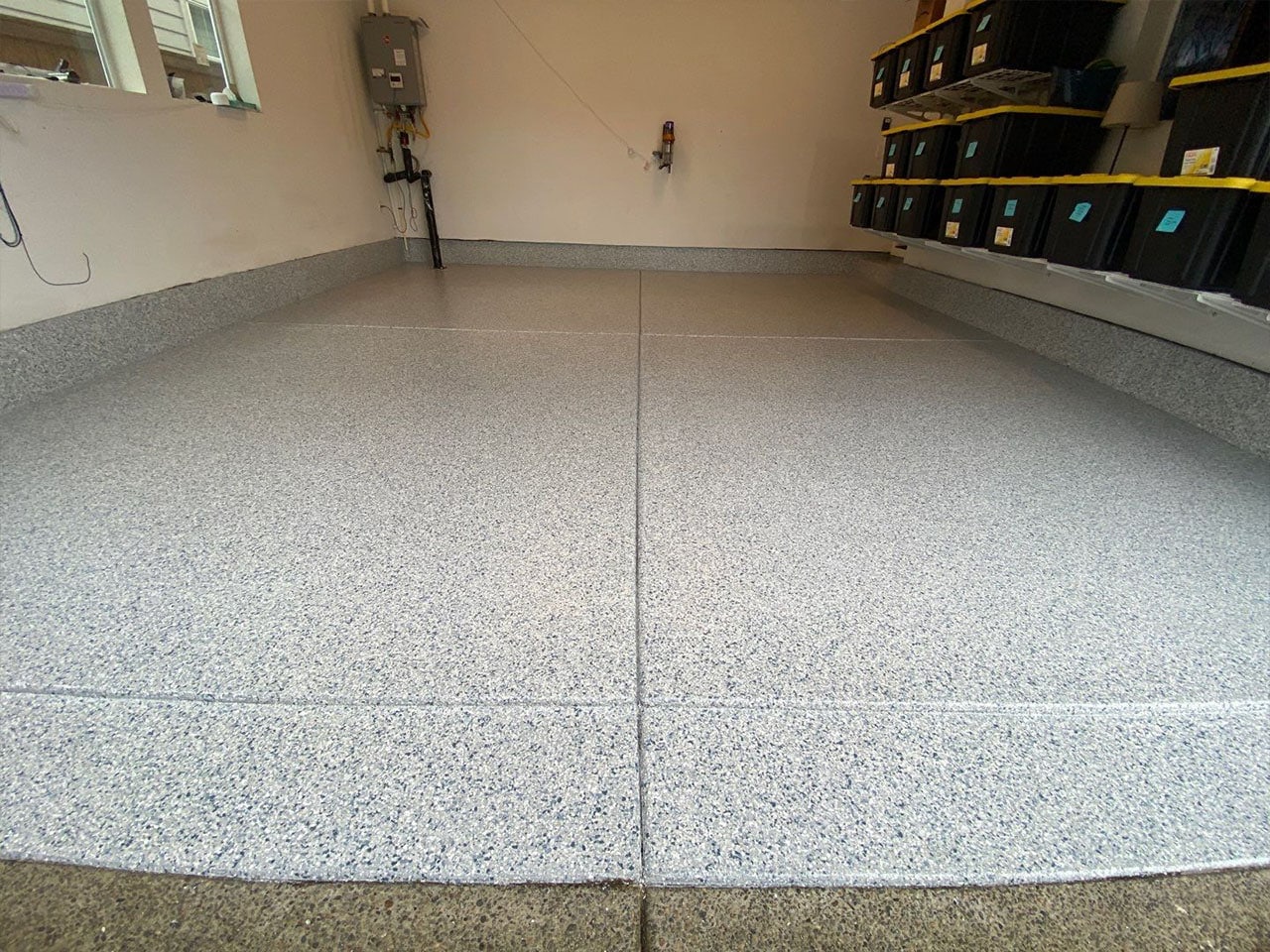
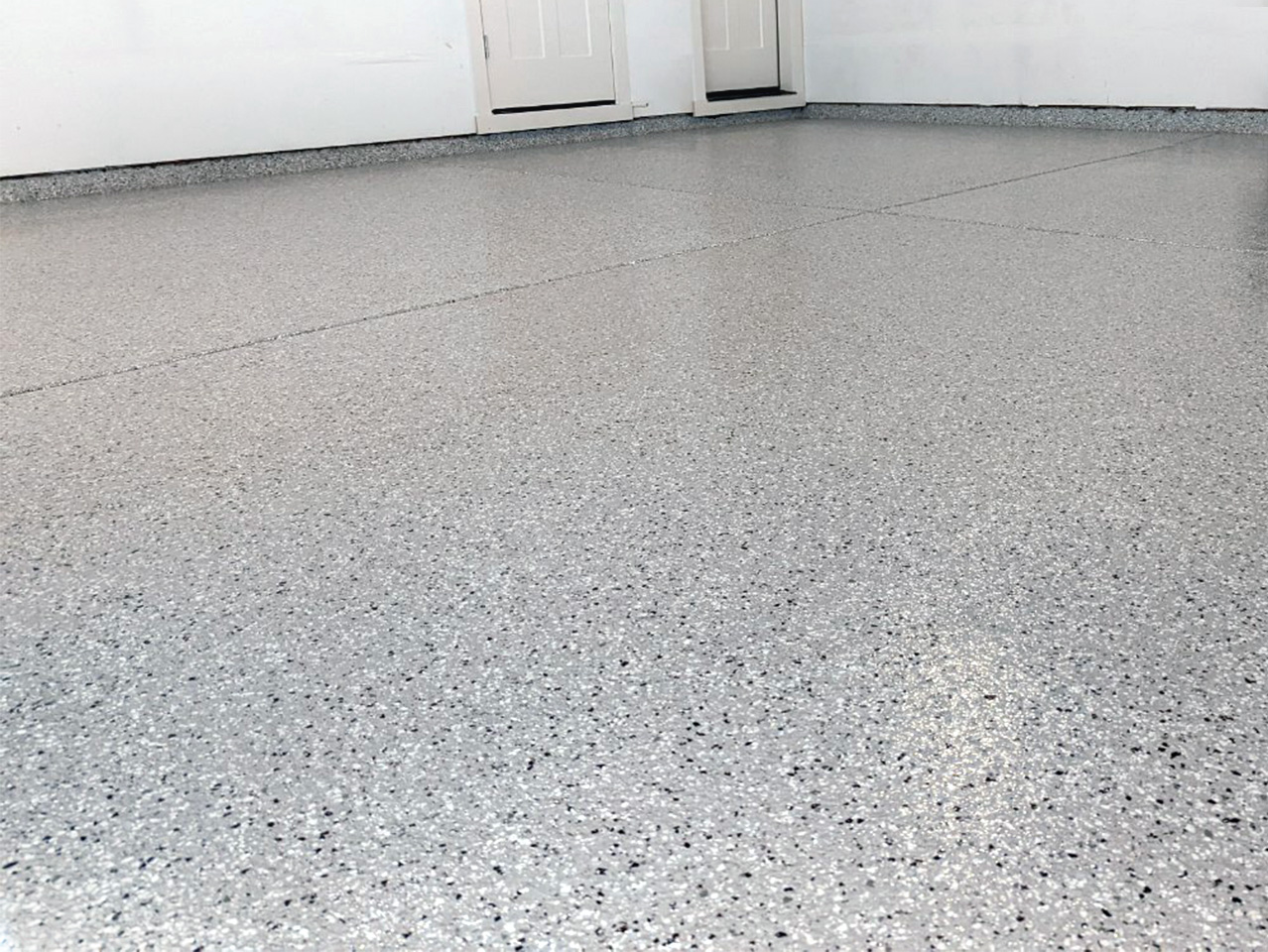
- Decorative flake systems
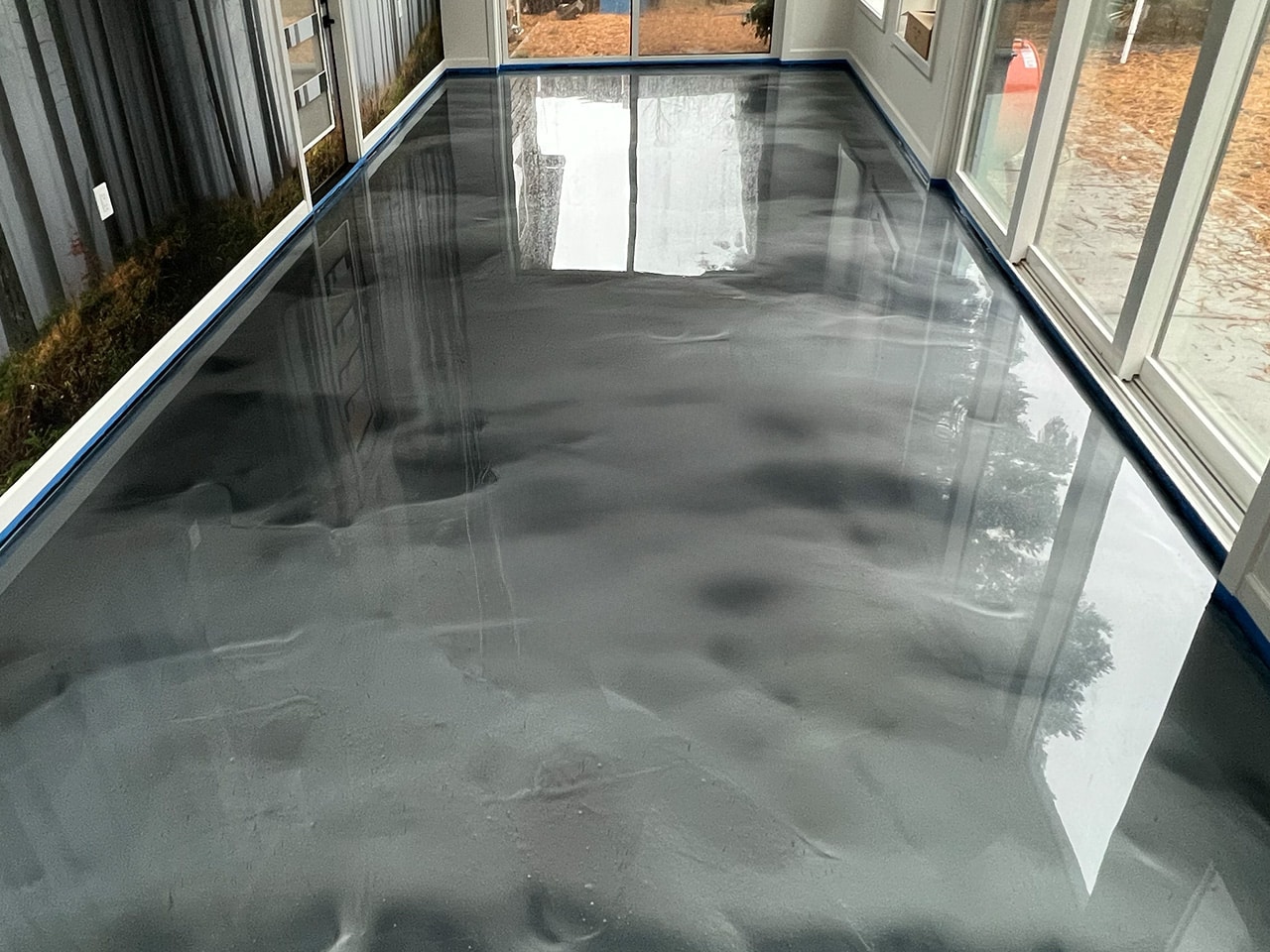
- Metallic finishes
- High-gloss or satin looks
This makes it a popular choice for both functional and aesthetic spaces like garages and showrooms.
5. Chemical and Stain Resistance

The Cons of Epoxy Flooring
1. Longer Cure Time
One of the biggest drawbacks of epoxy flooring is its curing time. Installation often requires multiple days, during which the space may be unusable.
2. UV Sensitivity
Standard epoxy is not UV-stable. In areas exposed to sunlight, it can yellow or fade over time unless protected with a UV-resistant topcoat.
3. Rigid Surface
Epoxy cures into a very hard, rigid surface. While this contributes to durability, it can make the coating less forgiving to concrete movement caused by temperature changes.
4. Moisture Sensitivity During Installation
Moisture in the concrete slab can affect epoxy adhesion if not properly tested and mitigated, potentially leading to issues if conditions aren’t ideal.
5. Surface Preparation Is Critical
Epoxy requires thorough surface preparation. Without proper grinding and cleaning, adhesion can be compromised — which is why professional installation is strongly recommended.
Epoxy vs. Polyaspartic Flooring
While epoxy remains a trusted solution, polyaspartic floor coatings have emerged as a high-performance alternative. Both systems protect concrete, but they differ in performance and application.
Installation Time
Polyaspartic Flooring: Cures rapidly — often allowing full use within 24 hours.
UV Stability
Polyaspartic Flooring: Naturally UV-stable and resistant to discoloration.
Flexibility & Performance
Polyaspartic Flooring: Combines strength with flexibility, helping it handle temperature fluctuations more effectively.
Moisture Tolerance
Polyaspartic Flooring: More moisture-tolerant, making it ideal for garages, basements, and variable climates.
Appearance Options
Which Flooring System Is Right for You?
- How quickly the space needs to be used
- Sunlight exposure
- Budget considerations
- Environmental conditions
- Desired longevity and appearance

Conclusion: Understanding the Pros and Cons of Epoxy Flooring
Understanding the pros and cons of epoxy flooring is key to selecting the right concrete coating system. Epoxy continues to be a reliable choice for many residential and commercial applications, especially when installed by experienced professionals.
For those seeking faster turnaround times, enhanced UV resistance, and added flexibility, polyaspartic coatings may offer a compelling alternative.
Consulting with a professional flooring expert ensures your concrete floor is matched with the right system — delivering beauty, protection, and long-term performance.